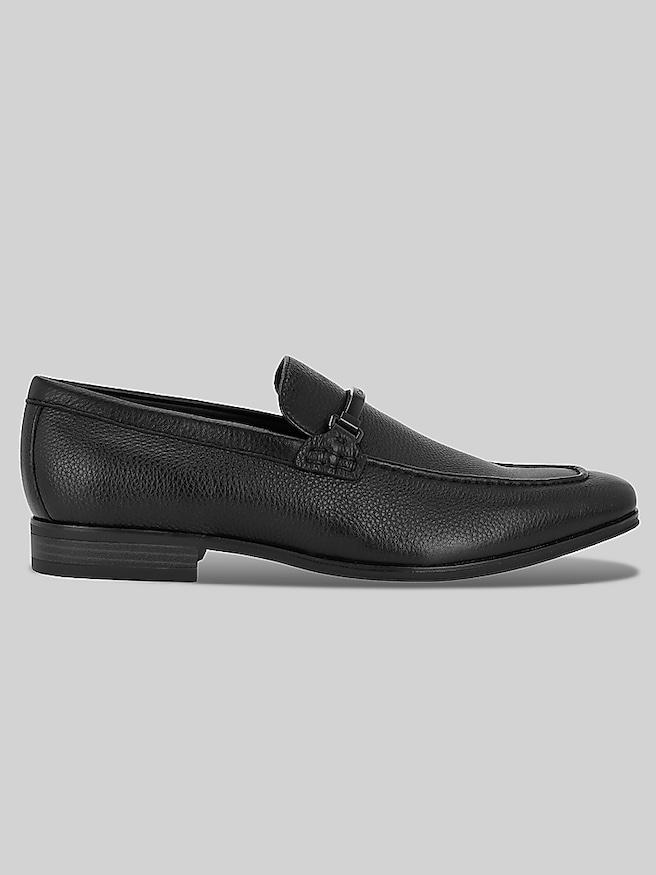
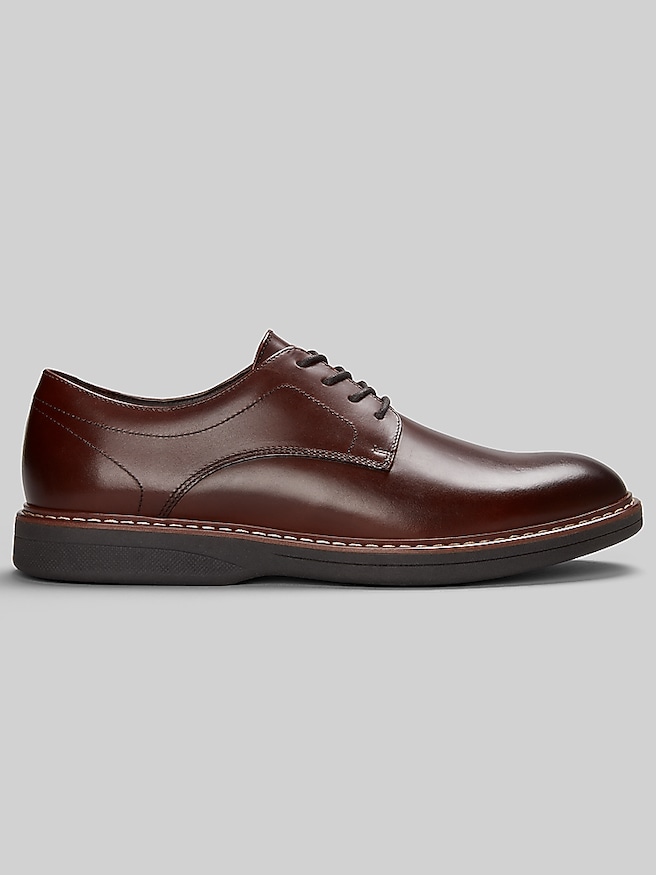
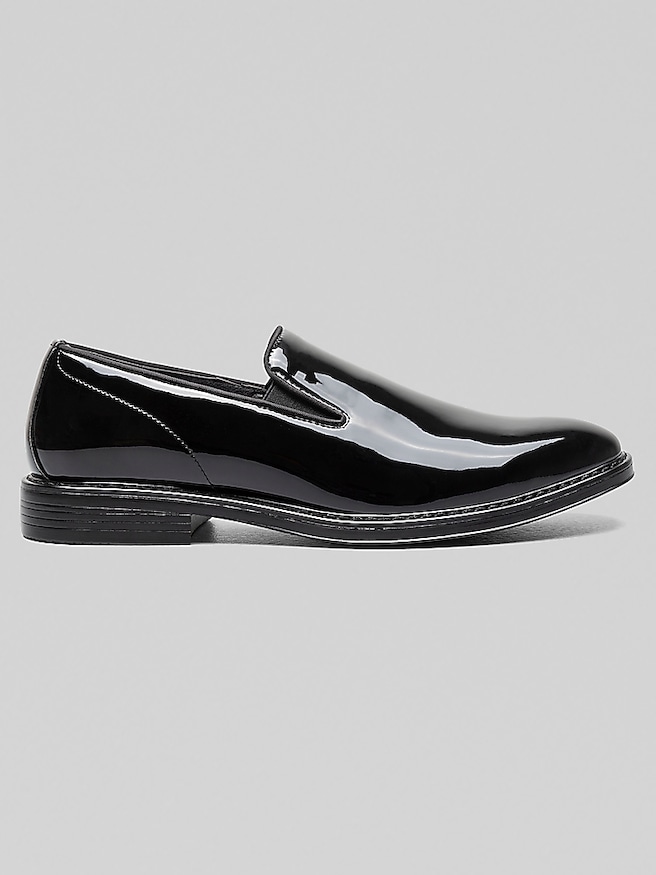
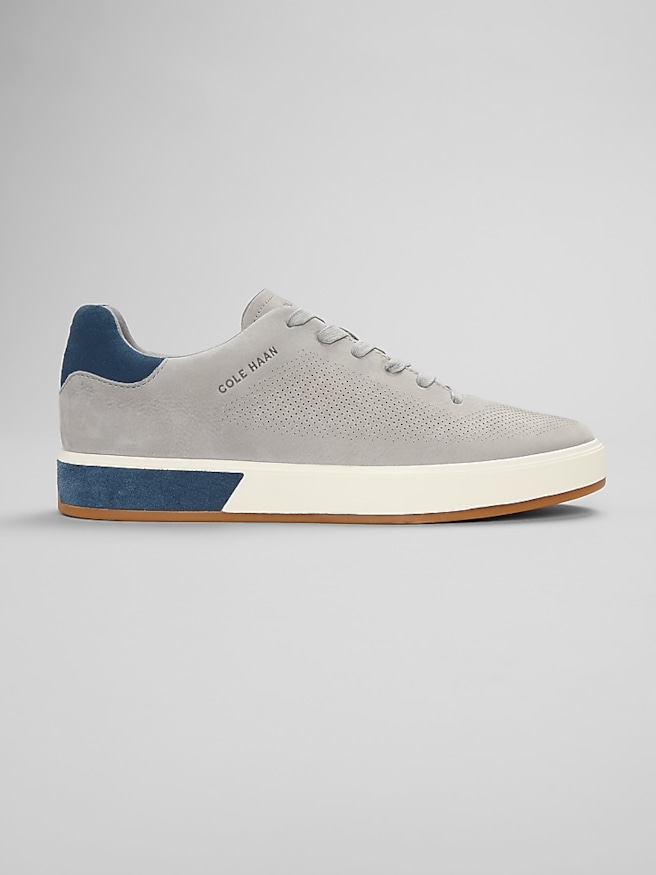
Men's slip-on dress sneakers combine the streamlined appearance of a dress shoe with the flexible construction and cushioning often associated with sneakers. Their defining features are an easy-entry design without traditional lace fastening, a relatively clean upper, and a sneaker-style sole that brings a relaxed finish to tailored clothing. The result sits between a conventional loafer and an athletic shoe: polished enough for many business-casual settings, but less formal than footwear intended for a strict business or black-tie dress code. Smooth leather creates a crisp surface that works naturally with pressed chinos and an unstructured jacket, while suede adds a softer texture alongside woven trousers or dark denim. Knit and textile uppers can give the same low-profile shape a lighter, more casual character, although breathability and structure depend on the material and lining. Minimal stitching, understated elastic panels, and a neat toe shape help keep the overall look refined. Black, brown, navy, and gray are versatile choices, with the sole color influencing the effect as much as the upper. A tonal sole tends to look more understated; a contrasting white or cream sole makes the sneaker influence more visible. These distinctions matter when the same pair needs to move from a desk to a dinner reservation without looking out of place. An office with a relaxed dress code, a networking reception, or a restaurant gathering can all suit this balance of ease and polish. For occasions with a stated dress code, the invitation or workplace standard remains the deciding factor, since a sleek sneaker does not automatically take the place of a traditional dress shoe. The most useful silhouette is one that complements the clothing already in regular rotation, whether that means narrow trousers and a fine-gauge sweater or straight-leg chinos and an untucked button-down. A restrained profile gives men's slip-on dress sneakers their versatility without making them look like footwear designed for a workout.
Fit is especially important in a slip-on because there are no laces to fine-tune the hold across the foot. A well-fitting pair feels secure through the heel and midfoot while leaving enough room for the toes to rest naturally rather than pressing against the front or sides. Persistent heel lifting, pinching over the instep, or toes gripping to keep the shoe in place can signal a mismatch in size, width, or shape. Elastic inserts and stretch-knit sections may ease entry and accommodate movement, but they should not have to compensate for an otherwise uncomfortable fit. A structured leather upper may soften with wear, yet a painful shoe is not a dependable candidate for breaking in. Trying footwear with the sock thickness intended for everyday use gives a more useful sense of fit than relying on size alone. Cushioned footbeds can soften the feeling underfoot, while midsole construction, flexibility, and overall weight influence how a shoe feels during a commute, a presentation, or several hours at a gathering. Softness is not the same as support, and anyone who uses an orthotic needs sufficient interior space and a compatible footbed arrangement. Removable insoles can be helpful when that feature is part of the design. Durability also comes from the relationship between the upper and sole, not simply from how substantial the shoe looks. Neat stitching, secure sole attachment, reinforced high-contact areas, and an outsole suited to everyday walking are useful details to consider. Rubber outsoles may offer practical grip, though traction varies with the tread pattern, surface, and condition of the shoe. Wear often shows first at the heel edge, forefoot flex points, and collar, especially when a pair is pulled on without easing the heel into place. A shoehorn helps preserve the back of the shoe, and rotating pairs gives the interiors time to dry between wears. For travel or a day that includes both seated meetings and walking between appointments, a secure fit and manageable weight usually matter more than an exceptionally plush first impression.
The appeal of men's slip-on dress sneakers becomes clearest in the details of an outfit. With tapered chinos, a hem that falls cleanly near the top of the shoe keeps the silhouette tidy instead of hiding it beneath excess fabric. Straight-leg trousers can work just as well when the opening sits comfortably over the upper without bunching. Dark, unembellished denim and a knit polo create a relaxed dinner look, while tailored pants and a soft-shouldered blazer make the same footwear feel more considered for an informal office. No-show socks can create a clean ankle line when the cut of the trousers allows it; fine dress socks offer coverage and can connect the shoe color to the rest of the outfit. For a more traditional profile, Men's Dress Slip On Shoes offer a useful point of comparison, particularly when a loafer-style appearance is better suited to the occasion than a visible sneaker sole. Keeping either look polished depends on care that matches the material. Smooth leather generally benefits from regular dust removal and an appropriate leather conditioner used according to its directions, while suede calls for a suitable brush and products specifically intended for its textured surface. Textile and knit uppers need care consistent with the manufacturer's instructions; machine washing is not a safe assumption simply because a shoe resembles a sneaker. A soft cloth can lift marks from many outsole edges, helping preserve the clean contrast that gives dress sneakers their finished appearance. After cleaning, air-drying away from direct heat helps protect the upper and sole attachment. Storage that avoids crushing the heel or toe also supports the shoe's shape. As a gift for a partner, father, graduate, or someone settling into a business-casual workplace, this category makes the most sense when the recipient's size, width, and everyday dress preferences are known. The lasting appeal is practical: straightforward entry, a neat outline, and a style that feels at home with clothing a step above casual basics.