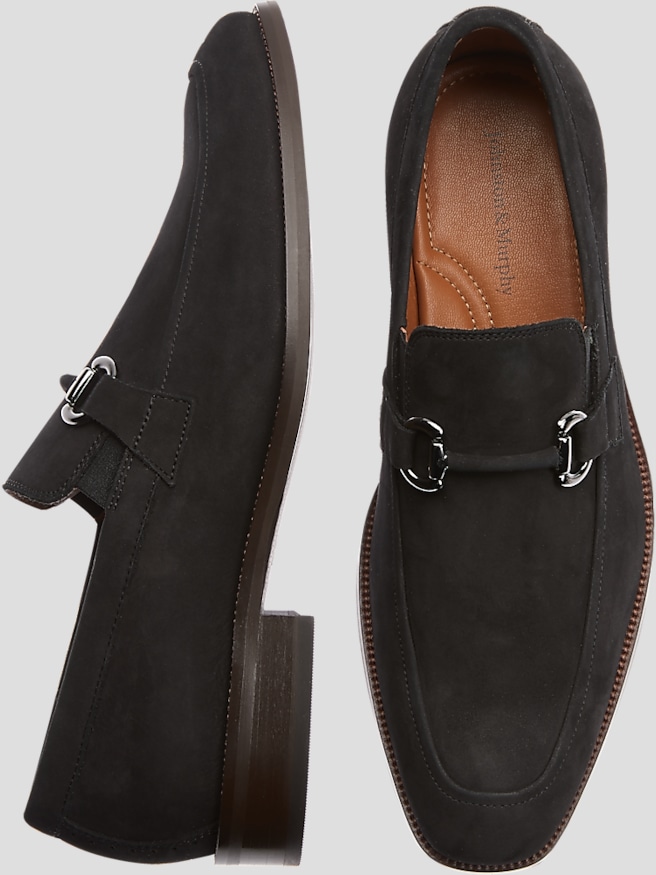
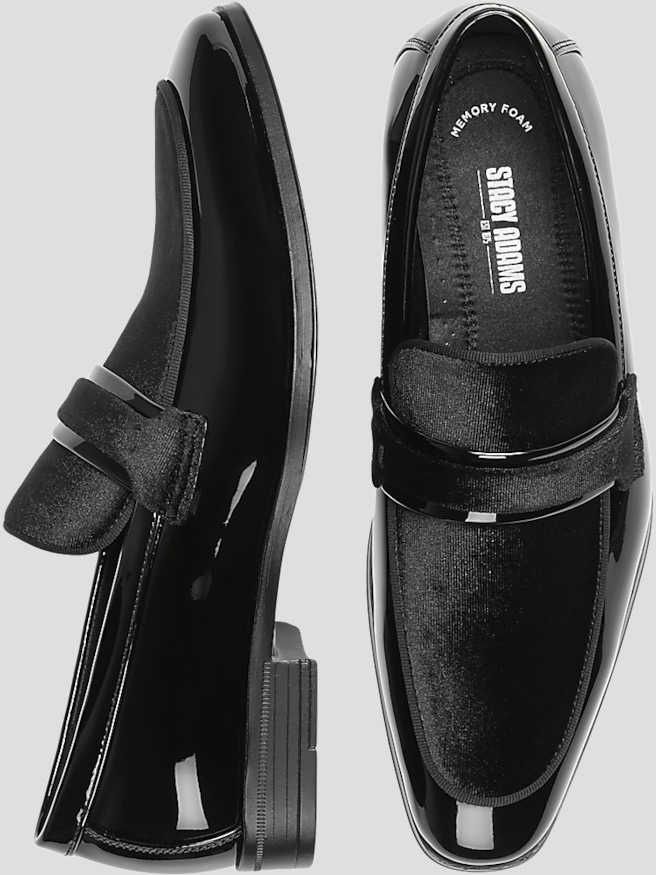
Men’s slip-on boat shoes bring together the relaxed look of traditional deck footwear and the convenience of an easy-entry design. A low profile, moccasin-inspired toe stitching, and a flexible upper give the style its familiar nautical character, while the slip-on construction keeps everyday dressing uncomplicated. Some designs include elastic panels or other stretch details to help the opening expand as the foot slides in. Decorative lacing can preserve the classic boat-shoe appearance, but secure wear depends on the shape of the shoe and how well it holds the foot, not simply on the presence of laces. Materials influence both the look and the feel. Smooth leather offers a polished surface that works well with chinos and collared shirts, and it may gradually conform to the foot with wear. Suede provides a softer, textured appearance, though its nap needs care to stay looking even. Canvas has a distinctly casual character, while mesh panels can allow more airflow depending on the construction and lining. Inside the shoe, smooth seams, a comfortable heel lining, and a cushioned footbed can make a noticeable difference during an afternoon spent moving between lunch, errands, and a neighborhood gathering. Underfoot, rubber outsoles are common, but their flexibility, tread, and intended use vary. Siping—the narrow cuts found in some outsoles—can help create additional gripping edges on wet surfaces. That feature alone does not establish slip resistance, and a boat-shoe silhouette does not necessarily mean a shoe is designed for use aboard a watercraft. For actual deck wear, the relevant details are the manufacturer’s stated traction characteristics, non-marking outsole specifications, and suitability for the surface involved. For everyday casual wear, the same low-cut shape offers an appealing middle ground between a sneaker and a dressier loafer, with enough visual structure to make a simple outfit feel considered.
Fit is especially important with men’s slip-on boat shoes because there may be little opportunity to adjust the upper once the foot is inside. A comfortable pair should hold the heel without pinching the Achilles area, leave room for the toes to move, and feel secure across the instep without pressing down on it. Excessive heel movement can create friction, while a tight opening or narrow forefoot can become uncomfortable during longer stretches of walking. Leather may soften, but shoes should not require painful wear to become usable. Trying them with the socks intended for regular use gives a more useful sense of fit than judging them with a much thicker or thinner pair. Low-cut liner socks can preserve the open-ankle appearance while adding a washable layer between the foot and the lining; they should sit securely enough that they do not slide beneath the heel. Lightweight crew socks create a more visible styling choice and can work well when their color relates to the pants. Footbed cushioning and arch support deserve separate attention, since a soft first impression does not necessarily translate into the support needed for several hours on foot. For someone who uses an orthotic, a removable footbed and sufficient interior depth may matter more than extra padding. Beyond fit, boat shoes work best with clothes that share their relaxed proportions. Straight or gently tapered chinos allow the low profile to remain visible without bunching fabric around the collar. Dark denim and an untucked button-down create an easy combination for a casual dinner, while a polo and neatly finished pants suit informal gatherings. Textured pants, denim, and layered shirts also complement the understated character of Mens Fall Boat Shoes. In workplaces that allow relaxed footwear, a clean leather finish can look more composed than a heavily distressed surface, though the office dress code remains the deciding factor.
Good care helps preserve the details that make slip-on boat shoes comfortable and presentable: a flexible upper, intact stitching, a clean lining, and an outsole with useful tread remaining. Smooth leather generally benefits from having surface dust removed with a soft cloth or brush, followed by material-appropriate cleaning and occasional conditioning according to the care instructions. Too much conditioner can change the finish or leave residue, so a small amount and a discreet test area are sensible precautions. Suede calls for a suede brush and cleaners specifically intended for that material rather than routine leather cream. Canvas and mesh should also be cleaned according to their construction; a fabric upper does not automatically mean the entire shoe can go into a washing machine. After cleaning or accidental dampness, air-drying away from direct heat helps protect adhesives and reduce the risk of stiffening or distortion. Untreated paper placed loosely inside can help absorb moisture and maintain the shape, provided it is replaced when damp. Giving shoes time to dry between wears also helps keep the interior more pleasant, particularly when they are worn with low-cut socks. Durability depends on the whole construction rather than any single material: reinforced stress points, secure stitching, a well-attached sole, and an upper suited to the wearer’s routine all contribute. Worn tread, separation at the sole edge, or a collapsed heel counter can affect usefulness even when the visible upper still looks good. These practical considerations also make boat shoes a thoughtful gift for a father, brother, partner, or friend whose wardrobe leans toward chinos, denim, and casual shirts. Knowing the recipient’s usual shoe size, preferred width, sock habits, and existing footwear style is more helpful than choosing by appearance alone. For someone who appreciates easy dressing but still likes a finished look, slip-on boat shoes offer a familiar shape with plenty of room for individual preferences in texture, color, cushioning, and fit.