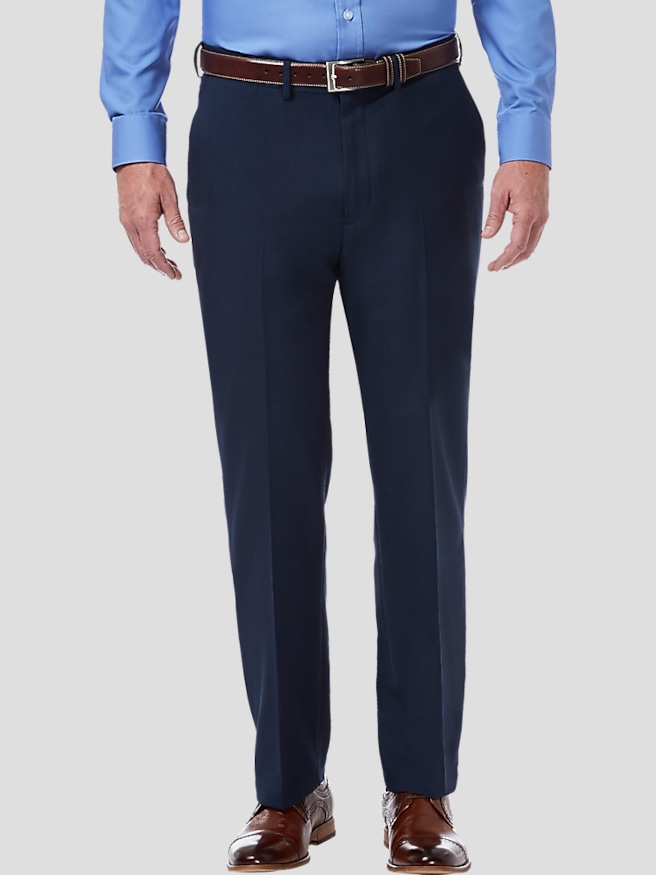
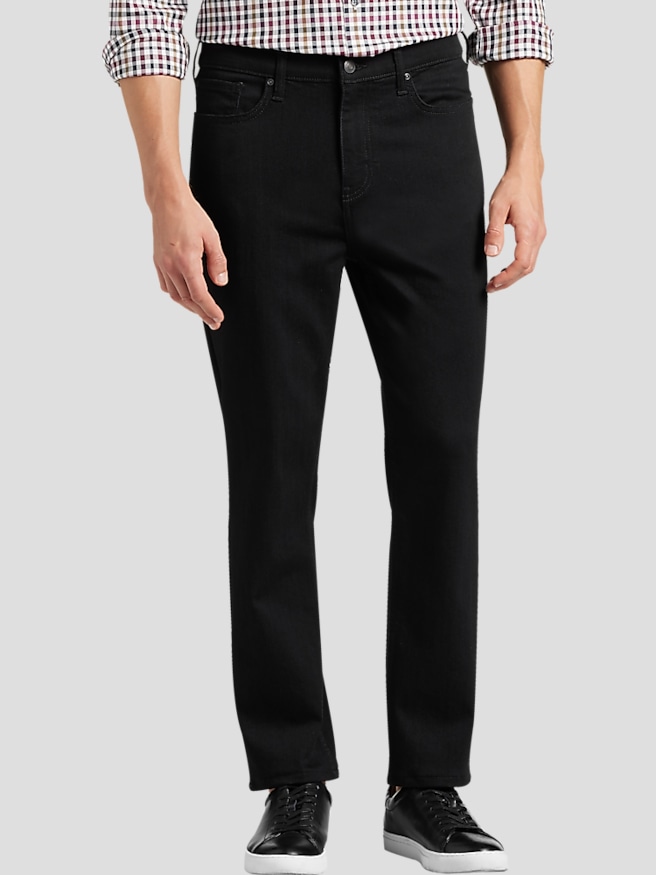
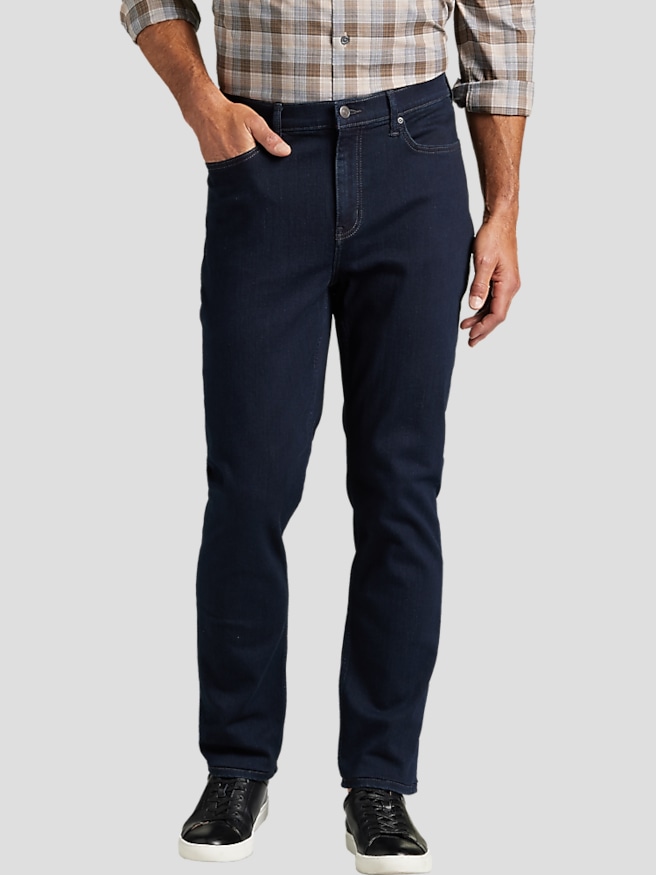
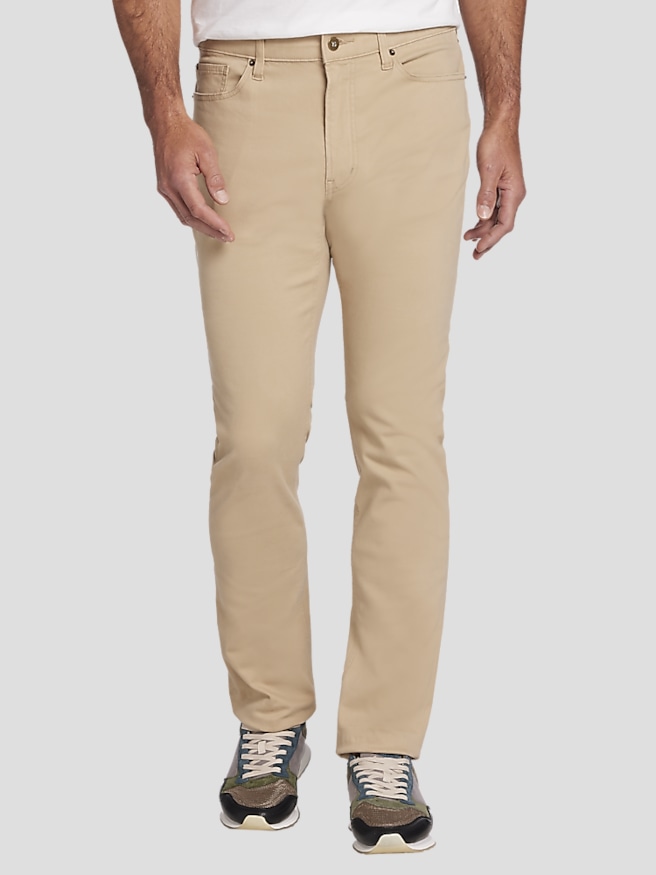
Men’s slim fit work jeans bring a closer, cleaner silhouette to denim built for everyday responsibilities. They typically sit closer through the seat and thigh than relaxed-fit jeans, with a leg that narrows toward the ankle without the close grip associated with skinny denim. That shape can work well for a day split between a desk, a stockroom, and errands, provided the cut leaves enough space to sit, bend, and walk comfortably. The distinction is important: slim describes the fit, while work describes the intended use, and neither term alone guarantees rugged construction or job-specific protection. A dark, even wash with minimal distressing offers a neat appearance for workplaces where denim is permitted, especially alongside a tucked-in button-down shirt, a polo, or a simple knit layer. For more hands-on duties, freedom of movement and sturdy construction matter more than a crisp appearance. Cotton forms the foundation of most denim, giving the fabric its familiar texture and substantial feel. Blends may add polyester for shape retention and abrasion resistance, while small amounts of elastane or spandex provide stretch. The exact weave, yarn quality, fabric weight, and finishing all influence performance, so fiber percentages tell only part of the story. Heavier denim often feels more substantial and may suit repeated contact with rough surfaces, but weight alone does not establish tear resistance or longevity. Lighter denim can feel less bulky during a commute or a day spent moving between seated and standing tasks. Stretch denim can make a slim cut easier to wear when climbing stairs, reaching a low shelf, or getting into a vehicle, though stretch should support a suitable fit rather than compensate for jeans that are too small. For someone who wants practical denim without excess fabric around the legs, the most useful balance is a defined shape, a comfortable waist, and enough room to move through the day without constant adjustment.
The fit of slim work jeans becomes clearer in motion than it does while standing in front of a mirror. A waistband should stay comfortably in place when seated, without digging into the stomach or leaving a large gap at the back. Through the seat and thighs, the denim should follow the body without pulling tightly across the pockets or restricting a normal stride. Pronounced horizontal tension lines, pockets that flare outward, or a waistband that slides down with every bend can signal that the size or cut is not a good match. Men with muscular thighs may need a slim silhouette with more room above the knee rather than simply choosing a larger waist. Rise also changes how jeans feel during a long shift: a mid-rise cut often provides useful coverage when reaching or sitting, while the right choice ultimately depends on body proportions and personal comfort. Below the knee, a tapered shape keeps the outline tidy, but the leg opening still needs to accommodate the footwear used on the job. A narrow opening that works with low-profile shoes may catch on the shaft of a substantial work boot. Length matters for the same reason. Excess denim piled around the ankle can rub against footwear and wear at the hem, while an overly short inseam may pull noticeably upward when seated. A modest break over the shoe usually gives a clean finish without unnecessary bunching. Pocket placement deserves attention as well, particularly for anyone who carries a phone, keys, or a wallet throughout the day. Deep, securely attached pockets can be practical, but overfilling them adds pressure to a close-fitting garment and can make sitting uncomfortable. Utility pockets are a feature of some work-oriented designs, not a defining feature of all slim jeans. For denim intended mainly for relaxed offices, meals out, and everyday plans, Mens Casual Slim Fit Jeans offer a related category with the same emphasis on a streamlined shape. The useful distinction is whether the jeans primarily need to look polished, withstand physical tasks, or provide a thoughtful balance of both.
Durability in men’s slim fit work jeans depends on how the fabric and construction handle repeated stress. Pocket corners, belt loops, the seat seam, and the inner thighs often experience the most friction or pulling during regular wear. Reinforced stitching, bar tacks at stress points, firmly secured belt loops, and neatly finished seams can help these areas hold up, although no single detail makes denim indestructible. Double-needle or triple-needle stitching may strengthen selected seams when properly executed; the quality of the thread and the underlying fabric matters alongside the number of stitch rows. Rivets can reinforce pocket corners, but exposed hardware may be unsuitable around surfaces that scratch easily, making workplace requirements worth considering. Jeans used for kneeling, lifting, or frequent contact with abrasive materials face demands beyond those of denim worn mostly at a desk. Slim work jeans are not automatically protective workwear, and ordinary denim should never be assumed to provide flame resistance, cut protection, or other certified safety performance. Where a job requires specialized clothing, those requirements take priority over fit or appearance. Care also has a direct effect on how long jeans retain their shape and finish. The sewn-in care label is the best starting point, especially for stretch blends or fabrics with special treatments. Turning jeans inside out, closing the zipper, and washing with similar colors can reduce surface rubbing and help manage dye transfer. Cold water and a suitable mild detergent are often appropriate when the label allows them; excessive heat can contribute to shrinkage and weaken stretch fibers over time. Work-related dirt should be removed as needed, with any hazardous contamination handled according to workplace procedures rather than ordinary home laundry habits. Checking for loose stitching or thinning fabric makes it easier to address small problems before a pocket tears or a seam opens. Rotating pairs can give each one time to dry fully between uses. As a practical gift for someone starting a denim-friendly job or updating everyday work clothes, slim fit work jeans make the most sense when waist size, inseam, preferred rise, and typical footwear are known. Those details turn a familiar wardrobe staple into something genuinely suited to the wearer’s routine.