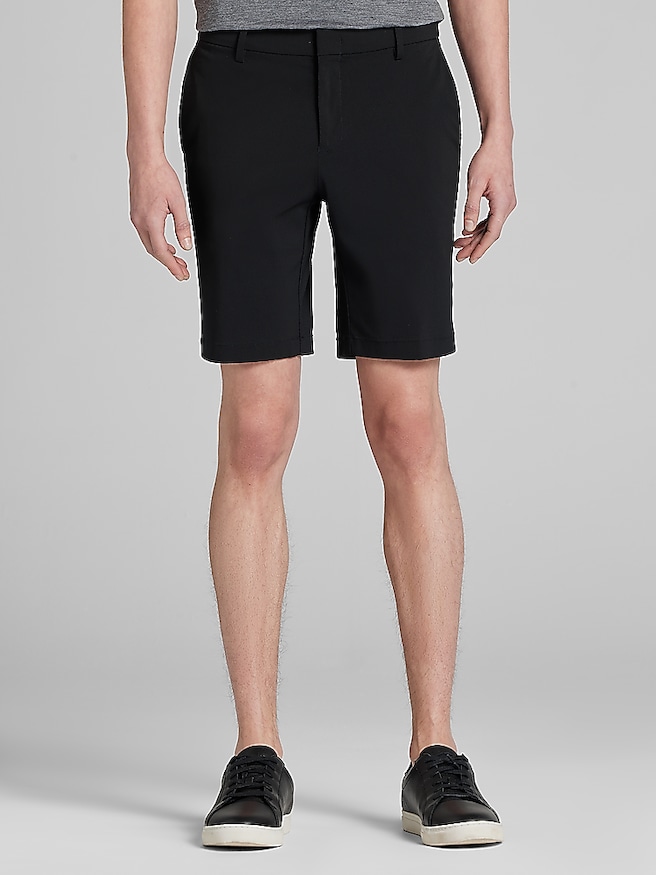
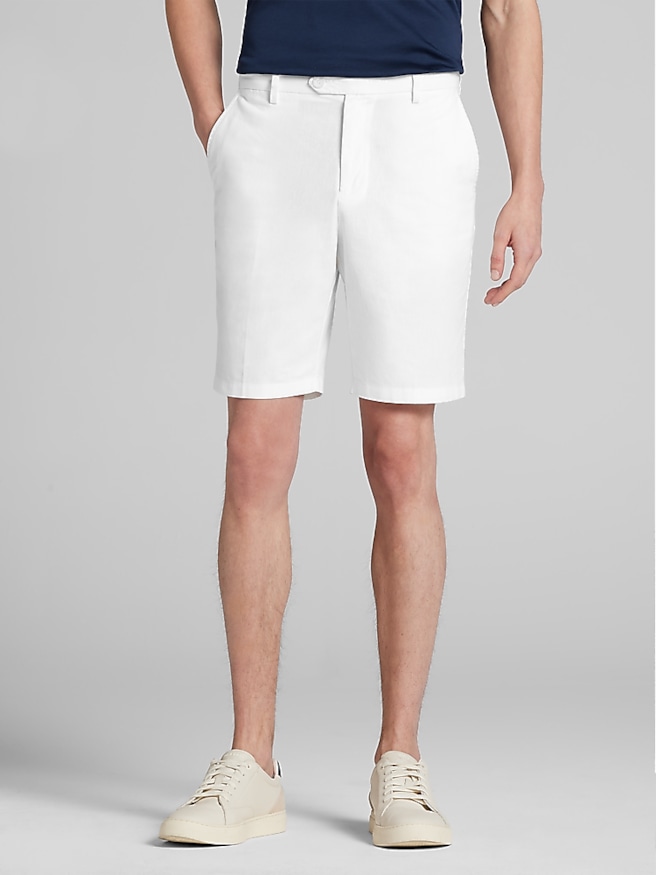
Men’s slim fit cotton shorts have a close, streamlined shape through the seat and thigh, with a narrower leg opening than a traditional relaxed fit. The goal is a clean silhouette, not a tight squeeze: fabric should rest smoothly across the hips and allow comfortable movement when sitting, walking, or climbing stairs. Cotton gives these shorts a familiar, soft feel, while the weave and fiber blend influence their structure, texture, and flexibility. Cotton twill has a subtle diagonal pattern and enough body to create the neat appearance associated with chino shorts. A lighter plain weave can feel less structured, while garment washing can soften the fabric and give its color a gently broken-in look. Shorts made from 100% cotton generally rely on the cut for ease of movement; cotton blended with a small amount of elastane or spandex adds stretch. Other blended fibers may affect drying time, wrinkle resistance, and shape retention, so the fabric label provides a clearer picture than the word “cotton” alone. Fit also depends on the rise, which describes the distance between the crotch seam and the top of the waistband. A waistband that sits comfortably at its intended position helps the pockets lie flat and keeps the front from pulling. Persistent horizontal lines across the hips, flared pocket openings, or a hem that grips the thigh can indicate insufficient room. Inseam length changes the overall proportion, too. A 5-inch inseam typically exposes more thigh, while 7-inch and 9-inch lengths offer progressively more coverage, though the exact position of the hem depends on height, leg length, and rise. A hem above the knee often supports the balanced proportions associated with a slim cut. Men with fuller thighs may find that a slightly roomier seat and thigh preserve that streamlined appearance better than simply sizing down. The most useful size is the one that feels comfortable in motion, with enough room to sit naturally and carry a few essentials without distorting the shape.
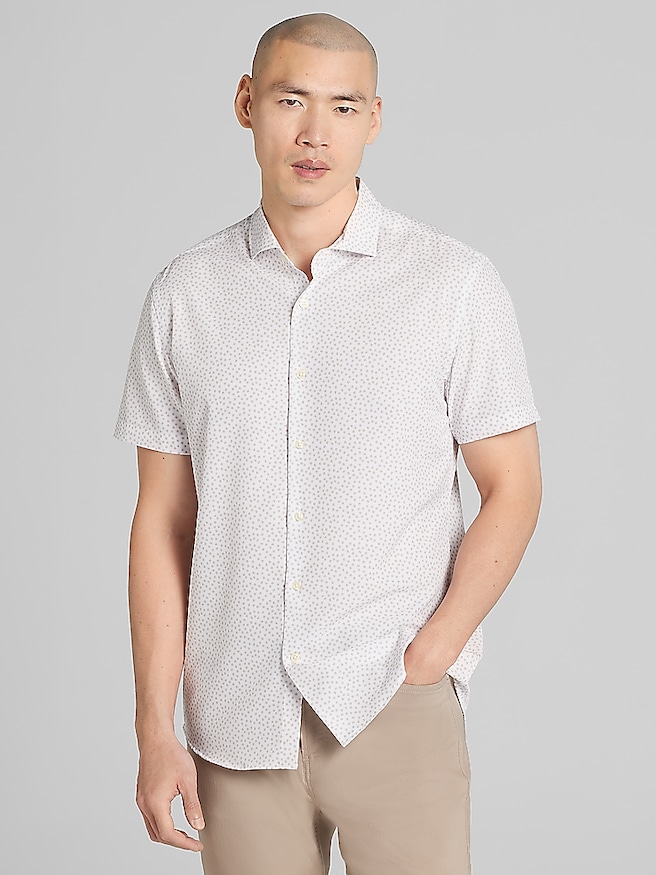
The appeal of slim fit cotton shorts is their ability to work with familiar casual clothing without looking bulky or overly athletic. A solid T-shirt and low-profile sneakers create an easy combination for errands, a museum visit, or a casual lunch. A polo adds a more defined collar, while an untucked casual button-down brings texture and a slightly more finished appearance. Shirt length matters here: a hem that falls around the middle of the fly generally leaves the proportions of the shorts visible rather than covering most of the leg. Navy, khaki, gray, and olive are versatile color families that pair easily with white, blue, and earth-toned shirts. Lighter shades can show pocket bags and marks more readily, while deeper colors may reveal lint or fading along raised seams. Fabric weight and finish make a difference as well. Smooth, structured cotton creates a cleaner line; a washed surface feels more relaxed and looks natural alongside canvas sneakers or leather sandals. A belt can complete a tucked-in outfit, but it should not have to gather several inches of excess fabric at the waist. For a silhouette with more waist adjustability, men’s cotton drawstring shorts offer another approach to casual comfort. Pocket construction also affects how shorts look and function. Angled front pockets provide easy access, while back welt pockets keep the rear profile relatively flat. Carrying a large phone, a thick wallet, and a full key ring in a slim silhouette can create visible bulk, so pocket placement and usable depth deserve attention. Reinforcement at pocket corners, secure belt loops, even stitching, and a smoothly operating closure are useful construction details for repeated wear. These shorts suit relaxed dinners, sightseeing, informal gatherings, and everyday downtime; occasions with a business or formal dress code generally call for long pants instead.
Care has a direct effect on how cotton shorts feel and hold their shape over time. The care label should take priority because dyes, finishes, trims, and blended fibers can require distinct treatment. When machine washing is permitted, cool water, similar colors, and a suitable detergent can help limit unnecessary fading. Turning shorts inside out reduces abrasion on the outer surface, especially around seams and pocket edges. A stain benefits from prompt attention with a treatment appropriate for the fabric, rather than vigorous rubbing that can leave a lighter patch. Cotton can shrink with heat, and stretch blends may also lose performance when exposed to excessive dryer temperatures. When the label allows, low-heat drying or air-drying helps reduce that risk. Removing shorts promptly, smoothing the waistband and pockets, and reshaping the legs can make the finished result neater with less ironing. A little creasing is part of cotton’s character, particularly after sitting, and does not necessarily signal poor quality. For a crisper appearance, an iron set according to the care instructions can smooth the fabric without flattening details unnecessarily. Emptying pockets before washing prevents forgotten tissues, receipts, or other small contents from causing extra cleanup. Between wears, hanging shorts neatly or folding them along their natural lines helps avoid deep storage creases. For frequent travelers, fabric weight, stretch content, and care requirements may matter as much as color, especially when luggage space is limited. Men’s slim fit cotton shorts can also make a practical gift for someone who already enjoys a tailored casual silhouette. A known waist measurement, preferred inseam, and familiar color are more reliable starting points than a size label alone, since proportions vary across cuts. Whether worn for a long afternoon of walking or an easy meal with friends, a comfortable waistband, unrestricted movement, and a well-balanced length are what make a pair feel right beyond the fitting room.