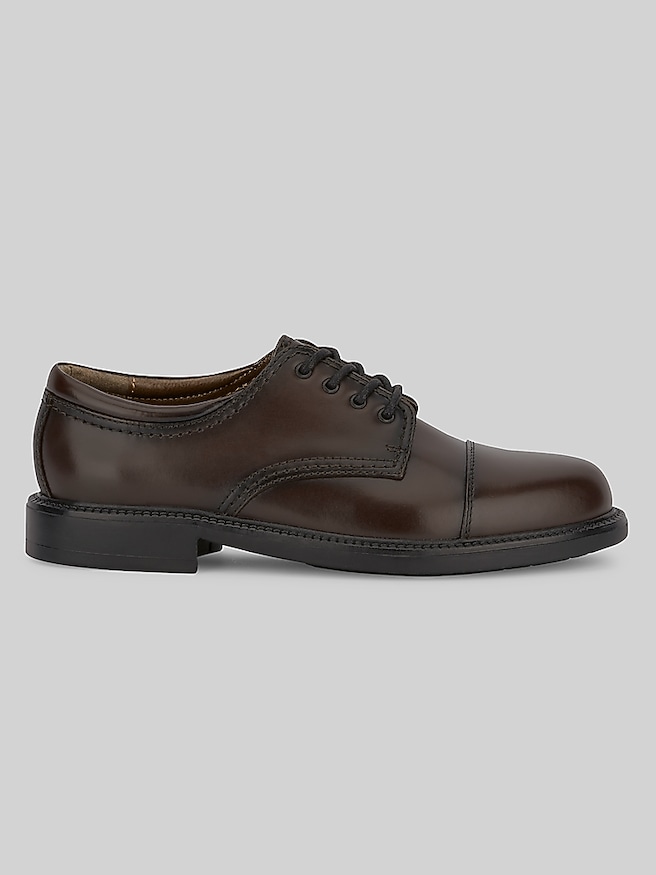
Men’s size 15 dress shoes bring a polished finish to suits, tailored separates, and dress trousers, with styles that range from understated lace-ups to relaxed loafers. Size 15 identifies the shoe’s length within a sizing system; width, toe shape, and interior volume also influence how it feels on the foot. For someone who wears an extended size, those details matter as much as the color or finish. A clean black oxford can complement a charcoal suit for a job interview, while a brown derby adds depth to navy trousers and a patterned sport coat. Oxfords have a closed lacing construction that creates a neat, closely fitted appearance across the instep. Derbies use open lacing, which generally allows more adjustment over the top of the foot. Loafers offer a slip-on profile that works well with tailored office clothing and less formal celebrations, depending on their material and detailing. Smooth leather, restrained stitching, and a gently rounded or almond-shaped toe create a versatile look without making a longer shoe appear unnecessarily elongated. Cap toes add a defined seam across the front, while broguing introduces decorative perforations that typically give dress shoes a less formal character. For black-tie occasions, highly polished or patent leather styles provide a distinctly formal finish when paired with appropriate evening attire. The best match depends on where the shoes will go: a presentation followed by dinner, a wedding with several hours of standing, or a graduation ceremony that calls for something sharper than everyday footwear. Proportion matters, too. Trousers should fall cleanly over the shoe rather than bunch heavily around the ankle, and an overly narrow opening can catch on the upper. A balanced trouser hem lets the shape of the shoe remain visible without drawing unnecessary attention to its length. Coordinating the general color and level of polish with a belt helps the outfit feel considered, although the shades do not need to match perfectly.
Fit is especially important in size 15 dress shoes because extra length cannot compensate for insufficient width. A foot that feels squeezed across the ball may need a wider fit rather than a longer shoe, while pressure over the instep can point to a mismatch in volume or lacing construction. The toes should have space to lie naturally, the heel should feel secure without rubbing, and the shoe should bend near the ball of the foot during a normal stride. A small amount of heel movement can occur in some new shoes, but persistent slipping or toe gripping suggests the fit needs another look. Width designations vary among makers, so the measurements and fit information associated with a shoe are more useful than assuming every size 15 will feel identical. For feet that need more room across the forefoot, Men's Dress Shoes Size 15 Extra Wide focuses on an important distinction between length and width. Extra-wide sizing is not simply a longer fit, and a broader forefoot does not necessarily mean the heel needs the same additional space. Trying dress shoes with the socks intended for them helps establish a realistic fit; thicker athletic socks can noticeably change how a dress shoe feels. Anyone who uses an orthotic should also account for its thickness and whether the shoe has a removable footbed. Materials contribute to that fit experience. Leather uppers can soften and conform somewhat with wear, but they should not be expected to stretch enough to correct painful tightness. Suede provides a softer, textured appearance suited to many tailored outfits, while patent leather has a glossy surface closely associated with formal dressing. Linings, interior seams, and padding influence comfort during long meetings or an extended reception. Cushioning can soften contact underfoot, but a plush footbed alone does not guarantee adequate support. Sole construction also changes the feel: leather outsoles offer a traditional finish, while rubber outsoles can provide flexibility and traction, depending on their design. A shoe that looks refined while supporting a natural stride is more useful than one that feels comfortable only while seated.
Durability in men’s size 15 dress shoes comes from the combination of materials, construction, fit, and consistent care. An upper that creases where the foot bends is behaving normally; deep folds caused by excess interior space, repeated heel collapse, or uneven wear may indicate a fit or wearing habit worth addressing. Using a shoehorn protects the heel structure when putting shoes on, especially with a close-fitting loafer or a firmly constructed lace-up. Unfastening the laces before removing a shoe also reduces strain on the opening and helps preserve its shape. After wear, a soft brush or cloth can remove surface dust before it works into seams and creases. Smooth leather generally benefits from occasional conditioning with a compatible product, followed by cream or wax polish when appropriate for the finish. Testing any treatment on a discreet area helps avoid unwanted color changes. Suede needs its own brush and suitable care products rather than conventional leather polish, and patent finishes call for gentle cleaning that preserves their glossy surface. Properly sized shoe trees help support the upper between wears and can absorb some interior moisture when made from unfinished wood. Shoes should dry naturally away from direct heat, which can damage leather and adhesives. Alternating pairs when practical gives the interior time to air out and reduces the stress of consecutive full-day wear. Construction affects long-term maintenance as well: some stitched designs can be resoled by a qualified repair professional, while other constructions have more limited repair possibilities. Attention to worn heel edges and thinning soles can keep minor maintenance from becoming a larger problem. For a graduate preparing for interviews, a professional building a more polished wardrobe, or someone attending an important celebration, well-fitting dress shoes can become a dependable part of getting dressed. They can also make a thoughtful gift when the recipient’s size, width, and preferred shape are already known. The strongest choice combines an appropriate level of formality with room where the foot needs it, a secure feel through the heel, and materials that suit the wearer’s routine.