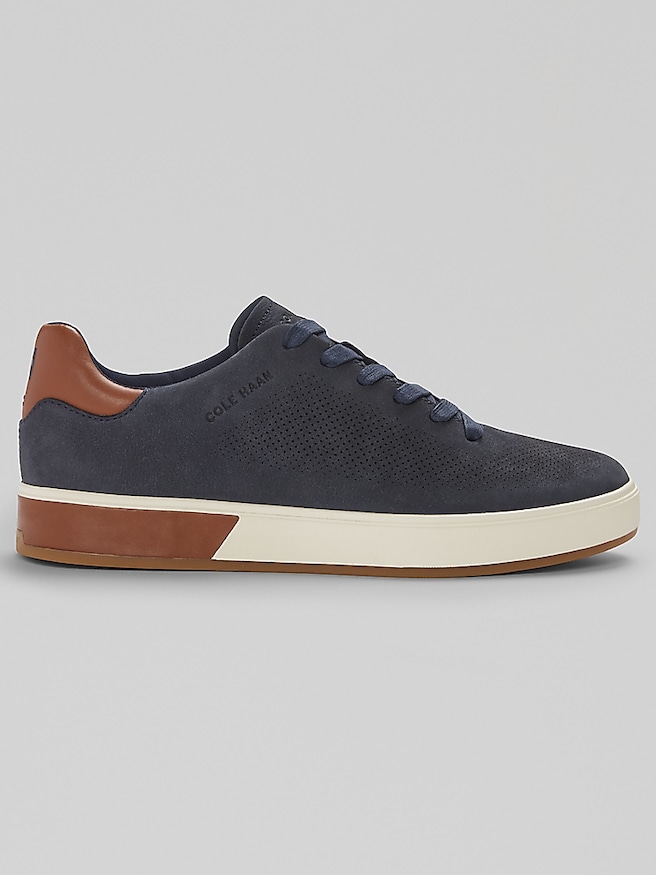
Men's size 11 sneakers offer an easy foundation for everyday outfits, with shapes and materials that can feel relaxed, refined, or distinctly athletic. A streamlined pair can sit neatly beneath chinos for a casual office, while a more substantial silhouette balances straight-leg jeans and a sweatshirt. The size designation is a starting point, not a complete description of fit: a US men's size 11 can feel noticeably different depending on the shape of the shoe, its width, the depth of the toe box, and the thickness of the lining. Comfortable sneakers give the toes room to move without leaving the heel loose or allowing the foot to slide forward. The widest part of the foot should sit comfortably within the shoe rather than press against its edges. Someone with a broad forefoot may need more width, not simply more length, while a narrower foot may benefit from a closer-fitting shape and a lacing system that holds the instep securely. Socks matter, too. Thin dress socks and cushioned athletic socks take up different amounts of space, so the intended outfit can influence how a size 11 feels. For someone who uses an orthotic, removable insoles and sufficient interior depth are useful features to consider when the construction allows them. Fit should feel comfortable from the outset; natural softening in the upper is not a reliable solution for cramped toes or pressure across the foot. Size labels also need context when comparing international sizing systems, since a US size 11 is not automatically equivalent to the same number elsewhere. Beyond the number, the best match depends on how the sneakers will be worn: a desk-based day, a commute with several walking stretches, a trip through an airport, or a relaxed dinner each places a slightly different emphasis on cushioning, support, weight, and appearance.
Materials give men's size 11 sneakers much of their character and influence how they feel over repeated wear. Smooth leather can create a cleaner, more structured appearance that works well with tailored casual clothing. Suede brings a softer, textured finish, while canvas and other woven textiles often have an easygoing look. Mesh and knit uppers can offer flexibility and airflow, though their support and durability depend on the weave, reinforcements, and overall construction. No single material is automatically the most comfortable or longest lasting; the quality of the upper, the way it joins the sole, and the demands of daily use all play a part. Reinforced areas around the toe and heel can help protect places that see frequent friction. Rubber outsoles provide a wearing surface beneath the shoe, but grip varies with the rubber compound, tread pattern, and surface underfoot. A casual sneaker should not be assumed to provide the same performance as footwear designed for running, court sports, or workplace safety requirements. Cushioning deserves similar attention. A soft step-in feel may be appealing, but lasting comfort also depends on a stable platform and a shape that suits the foot. A shoe that bends naturally near the forefoot can feel easier during ordinary walking than one that resists movement in the wrong place. Care should match the materials rather than follow a single routine for every sneaker. Smooth leather generally benefits from gentle cleaning with an appropriate product, while suede usually calls for a suitable brush and a lighter touch with moisture. Textile uppers may need spot cleaning according to their care instructions. Machine washing is not suitable for every construction. Letting shoes dry naturally, away from direct heat, helps avoid unnecessary stress on adhesives and uppers. Removing loose dirt before it becomes embedded, cleaning laces separately when appropriate, and allowing shoes to air out between wears can keep an everyday pair looking more considered.
Styling men's size 11 sneakers is often a matter of proportion and finish rather than complicated outfit rules. Low-profile shapes tend to create a neat line with tapered chinos or jeans, especially when the hem rests just above the upper instead of gathering heavily over it. A fuller silhouette can work with straight or relaxed trousers, giving the outfit a balanced base. Solid, understated colors are easy to repeat across a wardrobe, while contrast panels, textured uppers, or a more visible sole can make the footwear a stronger part of the look. White and off-white sneakers can brighten darker clothing, black can create a quieter line with dark trousers, and brown or muted neutral tones often sit comfortably alongside denim and earth-toned separates. For offices with a relaxed dress code, clean sneakers can complement an untucked button-down or a polo and chinos. With an unstructured jacket, a restrained shape and a tidy finish usually look more intentional than a heavily technical design. Sneakers are not a substitute for dress shoes at every event, so the stated dress code remains important. The same attention to everyday habits makes them a thoughtful gift for an adult son, partner, father, or friend who already wears a US men's size 11. A useful choice reflects the recipient's usual clothing, preferred width, and regular activities, not just the number printed inside a familiar shoe. For a recipient whose established size is larger, Men's Size 13 Sneakers offers a separate size-focused starting point. For size 11 wearers, the strongest everyday choice is one that feels secure, suits the intended setting, and fits naturally into the clothes already worn most often. That combination gives sneakers a dependable role in getting dressed, whether the day includes commuting, casual meetings, errands, or time with friends.