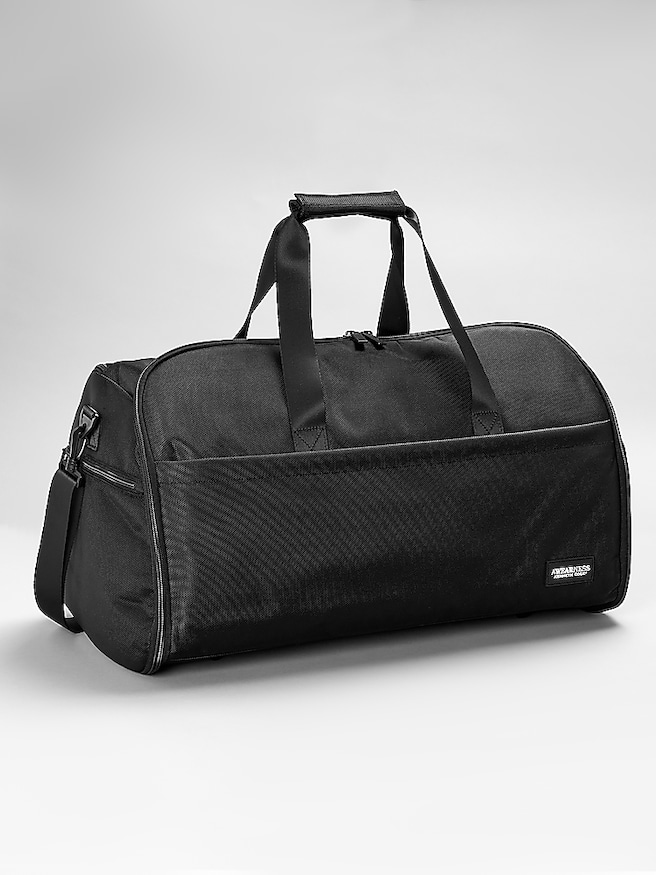
Men’s shoulder bags keep everyday essentials close without filling jacket pockets or tying up a hand. The category includes compact pouches, streamlined crossbody bags, slings, and larger messenger or satchel styles, each with a distinct shape and carrying capacity. A traditional shoulder bag hangs from one shoulder, while a crossbody design uses a longer strap that runs diagonally across the torso. Sling bags generally sit closer to the chest or back, making them a compact option within the broader category. For a commute, a shoulder bag can hold a phone, wallet, keys, headphones, and a notebook in separate compartments rather than letting everything collect at the bottom. Larger designs may accommodate documents or a laptop, provided the interior dimensions and protective padding suit the device. Smaller profiles work well for errands, museum visits, and days when only a few essentials need to come along. For a closer-fitting shape with less bulk, men’s shoulder sling bags offer another way to organize a light daily load. The most useful capacity depends on what actually leaves the house: a glasses case needs depth, a notebook needs a flat compartment, and a reusable bottle needs enough room to stand securely without pressing against electronics. An oversized bag can encourage unnecessary weight, while an overly compact one makes every zipper closure a squeeze. Shape matters as much as volume. A slim rectangular profile sits neatly beside a tailored jacket, while a softer, rounded silhouette feels at home with a polo and chinos. Subtle hardware, clean seams, and a restrained color palette help a shoulder bag move between professional and casual settings. Black, brown, navy, and gray are versatile choices, though matching every accessory exactly is less important than keeping the overall level of formality consistent. A structured bag with minimal exterior detailing creates a more polished impression; visible webbing and multiple utility pockets give the same everyday function a more casual character.
Material and construction influence how a men’s shoulder bag feels, holds its shape, and responds to regular use. Leather offers a substantial feel and can develop surface character with handling, although its performance depends on the hide, finish, stitching, and care. Smooth leather tends to look refined alongside tailored clothing, while a textured surface can make minor marks less noticeable. Canvas brings a more relaxed appearance and a fabric feel that suits everyday routines. Its durability depends on weave density, fabric weight, and reinforcement, not simply the material name. Nylon and polyester can provide lightweight alternatives, particularly when keeping the empty bag’s weight low is a priority. A fabric described as water-resistant offers some protection against incidental moisture, but that designation does not make the entire bag waterproof; seams, closures, and pocket openings also affect protection. Across materials, strap anchors and lower corners deserve attention because they take repeated stress from lifting, carrying, and setting the bag down. Even stitching, reinforced attachment points, and smoothly operating zippers are useful construction details. A lining should sit securely inside the shell rather than bunch into the zipper path, and interior seams should not catch small accessories. Hardware should feel proportionate to the bag: substantial enough for its purpose without adding excessive weight. Organization works best when compartments have clear jobs. A dedicated key clip keeps keys from disappearing beneath other belongings, a soft-lined pocket separates glasses from harder objects, and an interior zip compartment keeps small valuables contained. For electronics, a padded sleeve is helpful, but its actual measurements matter more than a broad size description. Room for a protective device case and easy access at the opening are worth considering as well. A broad main compartment offers flexibility for irregular shapes, while divided sections make it easier to find a charging cable or pen without emptying the bag onto a desk.
Comfort depends on the relationship between the strap, the bag’s proportions, and the weight inside. An adjustable strap allows the bag to sit near the hip or closer to the torso, depending on its design and the wearer’s preference. A wider strap can distribute pressure over a larger area, while padding may make a heavier load more comfortable. Neither feature removes the strain of carrying too much on one side. For a substantial daily load, another carrying format may be more suitable than a single-strap bag. During a train commute or a walk between appointments, a well-positioned shoulder bag should stay close enough to avoid swinging into surrounding objects without restricting arm movement. Strap hardware should hold its adjustment, and excess webbing should remain neatly contained where the design allows. The opening also affects everyday ease: a zipper provides enclosed access, a flap adds coverage, and a magnetic closure can simplify frequent access but should not be treated as a security lock. Keeping frequently used belongings accessible while placing valuables in closed interior compartments creates a practical balance. Care should follow the manufacturer’s instructions because leather finishes, fabric coatings, linings, and trims may require distinct treatment. Leather generally benefits from gentle wiping and compatible care products tested first in an inconspicuous area. Fabric bags may allow spot cleaning with a mild solution, but machine washing should never be assumed safe. Emptying crumbs and grit from the interior, keeping zipper tracks clean, and avoiding overstuffing help reduce unnecessary wear. Before storage, the bag should be clean and dry, with straps arranged loosely and enough support inside to preserve its shape without stretching it. As a gift for a graduate, a commuter, or someone starting a new job, a shoulder bag feels thoughtful when its size and organization match the recipient’s routine. A compact design suits someone who carries just the essentials; a larger, structured silhouette better accommodates paperwork and workday accessories. Those practical distinctions make a shoulder bag a useful part of getting dressed and heading out, rather than simply another accessory.