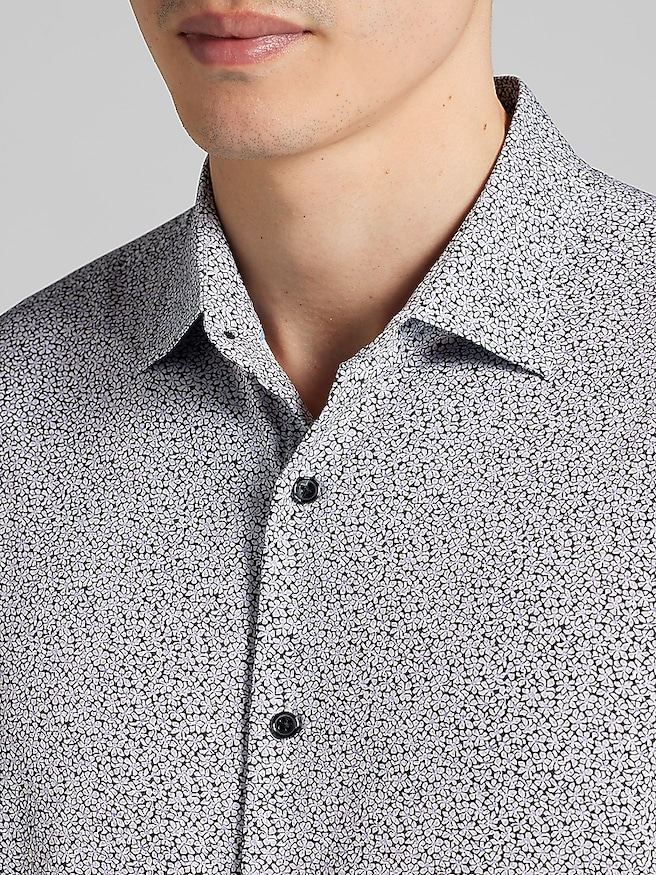
Men’s short-sleeve summer dress shirts combine a structured collar, a button-front design, and shorter sleeves for a polished look in warm weather. They suit business-casual offices, outdoor lunches, daytime celebrations, and other occasions that call for more structure than a T-shirt without the formality of a full suit. Their appeal is in the balance: a collar frames the face, a smooth front looks neat with tailored trousers, and exposed forearms make the shirt feel less restrictive on a hot day. Fabric makes a substantial difference in how that balance feels. Cotton is soft and absorbent, with a familiar texture that works comfortably against the skin. Lightweight cotton poplin generally has a smooth surface that looks crisp, while an open weave can allow more airflow than a densely woven fabric of similar weight. Linen has a distinctive texture and naturally relaxed wrinkles, making it especially suitable for settings where a slightly lived-in finish feels appropriate. Cotton-linen blends bring together some of those characteristics, although the exact feel depends on the fiber percentages, weave, and finishing. Blends that include synthetic fibers may offer easier wrinkle care or added stretch, but those qualities should be confirmed in the fabric description rather than assumed. Lightweight does not always mean breathable, and a very thin shirt may show an undershirt or the outline of a waistband. Pale blue, white, and soft neutral shades offer a clean backdrop for trousers, while fine stripes, small checks, and subtle woven patterns add interest without overwhelming an outfit. A smooth solid typically reads dressier than a bold print or a heavily textured cloth. For a desk near a sunny window, an afternoon presentation, or dinner on a shaded patio, the most useful choice is a shirt whose fabric and finish match both the setting and the expected level of polish.
Fit determines whether a short-sleeve dress shirt looks tailored or simply oversized. Shoulder seams should sit close to the natural edge of the shoulders, and the front placket should lie flat without pulling between the buttons. There should be enough room through the chest and back to reach for a steering wheel, sit at a table, or carry a laptop bag without the fabric straining. A slim fit generally follows the torso more closely, while a classic or relaxed fit provides additional ease; those labels can vary, so garment measurements and size charts are more useful than the name alone. Sleeve proportions deserve equal attention. A sleeve that ends around the middle of the upper arm often creates a balanced outline, but the best length depends on arm length and personal preference. The opening should allow comfortable movement without gripping the arm or flaring dramatically away from it. Shirt length also changes the finished look. Longer, curved shirttails are generally designed to stay tucked, while shorter hems can look tidy untucked when they cover the waistband without extending too far down the seat. With tailored trousers, a tucked shirt and a simple belt create a clear, orderly line. With chinos in a more relaxed workplace, an appropriately cut untucked shirt can feel comfortable without appearing unfinished. Collar shape provides another point of distinction: a button-down collar helps keep the collar points in place, while a spread or point collar can create a cleaner, more traditional dress-shirt appearance. An open collar usually suits short sleeves better than a tie. Offices, ceremonies, and evening events with a business-formal or formal dress code may still call for a long-sleeve shirt and jacket, regardless of the temperature. Short sleeves work best where the dress code specifically allows a more relaxed interpretation of dressed-up clothing, rather than as a substitute for every traditional dress shirt.
Durability and easy upkeep matter because summer shirts often see frequent washing. Neat seams, securely attached buttons, and an evenly finished hem are useful construction details, especially in shirts intended for a regular office rotation. Fabric should feel appropriate for its purpose: an airy weave can be comfortable, but excessive tension across the shoulders or chest puts unnecessary stress on even well-made seams. Care requirements vary by fiber and finish, so the sewn-in care label takes priority over general advice. Many cotton and blended shirts can be machine washed, while some linen styles or specialized finishes need a gentler approach. Treating collar marks and perspiration promptly, using the recommended wash temperature, and avoiding unnecessary dryer heat can help preserve the shirt’s appearance. Removing a washable shirt promptly after the cycle and smoothing the collar, placket, and hem before hanging can also reduce deep creases. An iron or steamer may still be useful, particularly for a crisp cotton front or a collar that needs reshaping; heat settings should match the fabric. Linen does not need to look perfectly pressed to look intentional, but clean fabric and a well-shaped collar keep its natural texture from appearing careless. For travel, folding along smooth lines and unpacking soon after arrival helps limit stubborn wrinkles, although no fabric stays perfectly smooth under every condition. A few complementary colors can cover a range of plans, from a casual client lunch to a family gathering, without requiring a completely separate wardrobe for each occasion. For a broader selection of warm-weather looks, Men's Summer Shirts offers another way to explore the category. Short-sleeve dress shirts can also make practical gifts for someone who prefers a collared shirt for work, travel, or social plans. A familiar neck size, usual fit, preferred sleeve length, and tolerance for ironing are more helpful clues than a bold pattern chosen without context. The strongest addition is one that feels comfortable, suits the recipient’s routine, and looks just as considered at the end of an afternoon as it did when first buttoned.