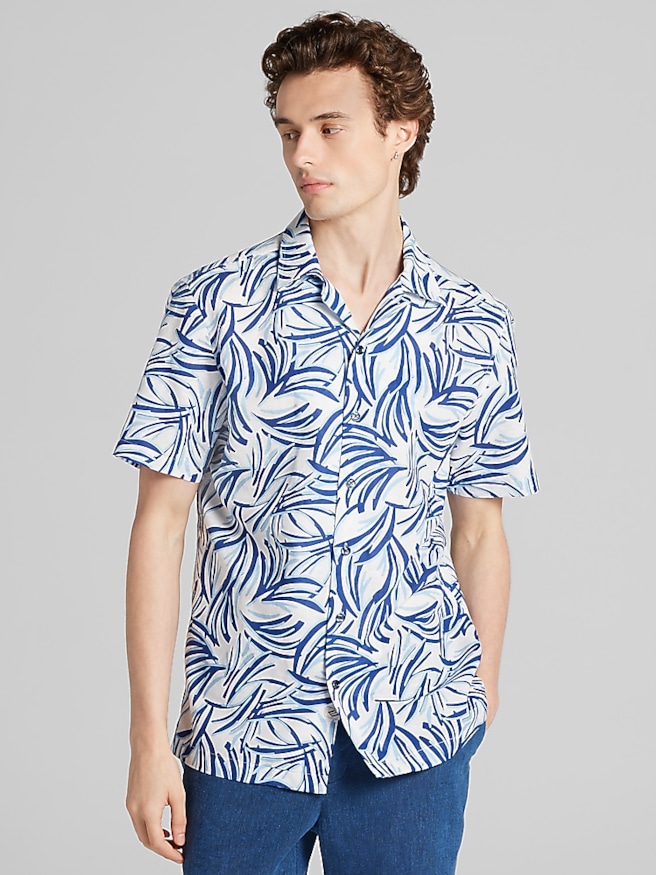
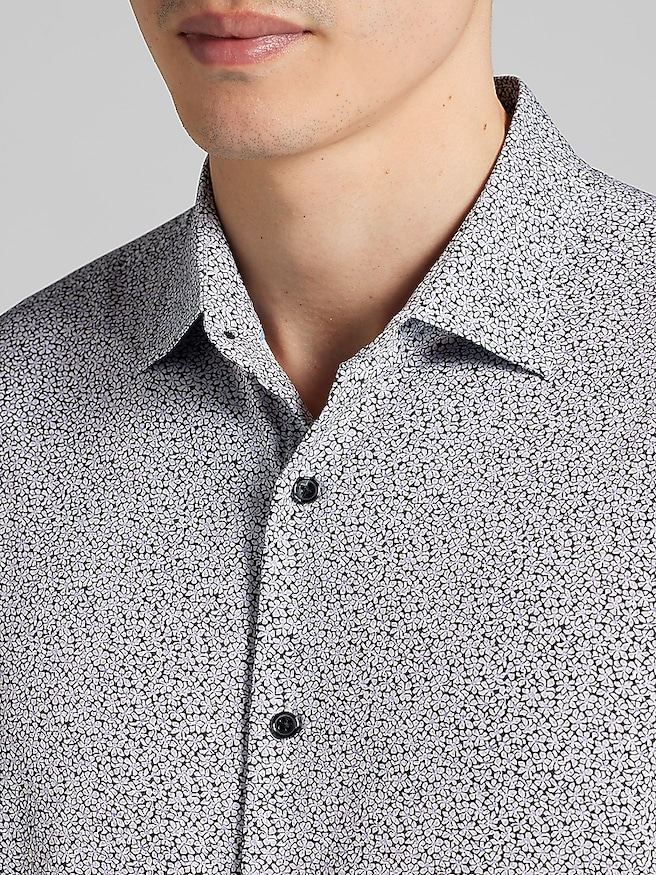
Men’s short-sleeve beach shirts pair lightweight fabrics with easygoing shapes for time by the water, resort stays, and casual meals after a day on the sand. Their appeal comes from a balance of comfort and structure: a collar gives the outfit a finished look, while short sleeves and a relaxed body keep it from feeling overly dressed. Cotton, linen, rayon, and blended fabrics are common choices, each bringing a distinct texture and drape. Lightweight cotton feels familiar against the skin and can have a crisp or softly washed finish. Linen has a textured surface and allows air to circulate, with natural creasing that suits the informal setting. Rayon typically falls closer to the body in soft folds, making it a good match for fluid silhouettes and expressive prints. Cotton with a small amount of stretch can offer extra give across the shoulders, while synthetic blends may emphasize shape retention or easier care, depending on their construction. Fabric weight and weave matter as much as fiber content; a dense cotton shirt can feel heavier than a loosely woven blend. For humid beach destinations, an airy weave and room through the torso can make a noticeable difference in comfort. Pale fabrics sometimes become more transparent in bright light, so opacity is worth considering if the shirt will be worn without an undershirt. A camp collar, which lies open at the neckline, reinforces the laid-back character of a beach shirt. A conventional point collar gives a slightly sharper outline for a waterfront lunch or an informal evening gathering. Tropical motifs, botanical patterns, narrow stripes, and solid colors all belong in this category. The strongest choice is usually the one that feels natural beyond the vacation photo: a subdued palm print for someone who normally wears solids, perhaps, or a saturated geometric pattern for someone comfortable making the shirt the focal point. Lightweight fabric alone does not establish sun protection; a stated UPF rating is the relevant measure when that feature matters.
Fit determines whether a short-sleeve beach shirt feels comfortably relaxed or simply too large. Shoulder seams generally sit near the edge of the shoulders, unless the design intentionally uses a dropped shoulder. Across the chest, the front should button smoothly without pulling into gaps, and the back should allow enough movement to reach for a beach bag or settle into a low lounge chair. Sleeves that finish around the middle of the upper arm create a balanced proportion for many wearers, though the most comfortable length depends on arm length and personal preference. Sleeve openings need enough space to move without binding, particularly in fabrics with little stretch. A relaxed fit leaves breathing room through the torso; a more tailored fit gives a cleaner line but still needs ease for sitting and reaching. For an untucked shirt, a hem that falls around the middle of the fly often works well, with adjustments for height and torso length. An overly long hem can overwhelm shorter shorts, while a very short one may lift above the waistband during movement. Straight hems and small side vents tend to suit untucked wear, whereas longer curved tails are often easier to keep tucked. These proportions help beach shirts work across several settings without elaborate styling. A muted stripe with solid swim trunks looks comfortable at a poolside café, while a linen shirt with chino shorts feels appropriate for a walk along the boardwalk. For dinner near the water, lightweight trousers and simple loafers add polish without changing the relaxed character. An open shirt over a plain T-shirt creates another option, provided there is enough room for the extra layer. Bold prints usually look more deliberate beside quiet colors rather than competing patterns. Related men’s short-sleeve summer shirts carry that same easy approach into backyard gatherings and everyday casual outfits. For a beach wedding or resort restaurant, the invitation or posted dress requirements still take priority; a collared short-sleeve shirt is not a substitute for formal attire.
Care and construction influence how well beach shirts hold up after repeated packing, washing, and wear. Even stitching, neatly finished seams, securely attached buttons, and a placket that lies flat are useful signs of careful construction. At the underarms and side vents, smooth seam finishes can also reduce rubbing against bare skin. Lightweight should not mean flimsy, although an open, delicate weave naturally needs more attention around rough chair arms, backpack straps, and hook-and-loop fasteners. The care label is the starting point for cleaning because similar-looking fabrics can require very different treatment. Some cotton and linen shirts allow machine washing, while certain rayon fabrics need a gentle cycle, hand washing, or professional cleaning. High heat can cause shrinkage or affect the surface and drape, so drying instructions deserve as much attention as wash temperature. When permitted by the label, removing a shirt promptly after washing and smoothing the collar and placket can limit deep creases. A steamer or an iron at the recommended setting can refresh the fabric, but linen does not need to look perfectly pressed to look appropriate at the beach. Sunscreen, perspiration, and food spills are best addressed promptly using a method suited to the fabric, rather than vigorous scrubbing that could fade a print or roughen the surface. Letting a shirt dry fully before packing helps prevent lingering odors and mildew, especially after a humid afternoon near the water. For travel, a loose fold and space in the suitcase can reduce hard creases; hanging the shirt on arrival gives it a chance to settle before wear. Beach shirts also make thoughtful gifts for frequent coastal travelers, cruise passengers, or anyone whose off-duty wardrobe leans toward relaxed button-front styles. A familiar fit, a manageable care routine, and colors that coordinate with the recipient’s usual shorts or trousers matter more than choosing the loudest tropical print. Whether intended for a long-planned getaway or regular visits to the shoreline, a well-chosen shirt earns its place through comfortable movement, useful styling options, and a fabric that feels good throughout the day.