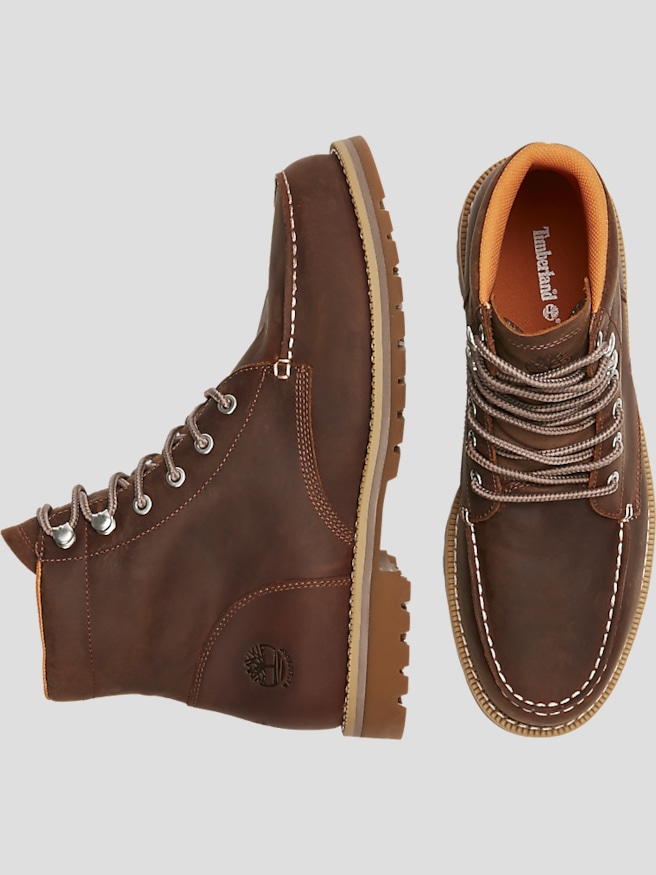
Men's shoes with a wide toe box provide extra room across the front of the shoe, allowing the toes to rest and spread without being crowded together. That space can make a noticeable difference during a walk between meetings, a day spent standing at work, or an evening that involves more time on the feet than expected. A roomy toe box is especially relevant for men with a broad forefoot, toes that press against tapered shoe shapes, or sensitive areas that rub against the upper. It may help reduce pressure around bunions or hammertoes, although footwear does not correct those conditions or guarantee relief. Toe-box shape and overall shoe width are related but separate features: a shoe can have generous space around the toes while fitting more closely through the midfoot and heel, and a wide-width shoe can still have a relatively tapered front. The most comfortable fit balances forefoot space with a secure heel and an upper that holds the foot without squeezing it. Toes should not press against the end, overlap because of tightness, or feel pushed inward by the sides. At the same time, excessive length can let the foot slide forward, so sizing up is not always the answer to a cramped toe box. Width labels are useful starting points, but the shape of the shoe matters just as much. Rounded and softly squared profiles may offer a less restrictive feel than sharply pointed shapes, depending on their construction. Trying footwear with the socks intended for everyday wear gives a more realistic sense of space, especially when thicker socks or an orthotic insert are involved. Both feet deserve attention because their dimensions may differ slightly. Adjustable laces can help accommodate a broader forefoot without leaving the heel loose, while slip-on styles depend more heavily on the match between the shoe's shape and the foot. A wide toe box should feel like useful breathing room, not an oversized shoe that shifts with every step.
Roomier footwear can still have the clean proportions needed for a tailored wardrobe. Wide toe box dress shoes suit office routines, presentations, weddings, and other occasions where polished leather belongs alongside trousers or a suit. A rounded lace-up can look composed beneath a straight trouser hem, while a loafer brings an easier finish to chinos and an open-collar shirt. Casual sneakers and boots serve a different purpose, pairing naturally with denim and relaxed clothing for errands, travel, and informal gatherings. The right choice depends on how the shoes will be worn: walking several blocks between appointments places different demands on footwear than sitting through a formal dinner. Materials influence both appearance and feel. Leather can develop a supple character with wear, but the initial fit should already leave adequate room; a tight toe box should not be treated as something that will inevitably stretch into comfort. Suede offers a softer-looking surface and a less formal texture, while textile uppers can provide flexibility and breathability for everyday movement. Linings, seams, and overlays also affect comfort, particularly where the toes meet the front and sides of the shoe. A smooth interior reduces potential rubbing points, and a cushioned footbed can soften underfoot contact without replacing the need for proper fit. Sole construction deserves equal attention. Rubber outsoles often provide useful traction and flexibility, while leather soles lend a traditional finish to dress footwear. Grip still depends on the tread, surface, and condition of the sole. A broad toe box does not automatically mean a minimalist shoe, a flat sole, or extra arch support; forefoot shape, cushioning, heel height, and support are separate characteristics. Men who spend substantial time standing may prefer a combination of cushioning and a stable base, whereas someone choosing shoes primarily for formal occasions may place more emphasis on finish and silhouette. Durable stitching, secure sole attachment, and reinforced high-wear areas can help footwear withstand repeated use, though longevity also depends on walking habits and care. Comfort and a refined appearance need not compete when the shape, materials, and construction work together.
Regular care helps men's wide toe box shoes retain their appearance and structure through repeated wear. Smooth leather benefits from gentle cleaning with an appropriate cloth and occasional conditioning suited to the material, followed by polish when a more finished appearance is desired. Suede calls for a dedicated brush and material-specific care rather than standard leather polish. Textile footwear should be cleaned according to its care directions, since soaking, machine washing, or aggressive scrubbing can affect adhesives, finishes, and internal components. Shoes that become damp should dry naturally away from direct heat, which can stiffen leather or damage construction. Giving footwear time to air out between wears helps manage moisture inside the lining, and rotating pairs reduces the constant stress placed on a single pair. Properly sized shoe trees can help leather footwear maintain its shape, but they should not force the upper outward or serve as a substitute for selecting enough toe room at the outset. Wear at the heel, thinning tread, compressed cushioning, and damaged lining are useful signs that footwear may need attention. Some constructions allow professional sole or heel repairs, while others are better suited to replacement once their structure or traction deteriorates. For men who need additional room beyond the forefoot, Men's Wide Shoes is a related category to consider, since overall width and toe-box shape address different aspects of fit. Roomy footwear can also be a thoughtful gift for someone whose daily routine involves commuting, frequent travel, or long hours on his feet. The most useful details are the recipient's usual size, preferred width, typical socks, and the styles he actually wears, rather than an assumption that extra space alone will produce a good fit. A polished pair for a new office role or an easygoing style for everyday outings feels more personal when it reflects those habits. Ultimately, a well-chosen wide toe box offers space where it matters while preserving a steady, comfortable fit and an appearance that belongs naturally in the wearer's wardrobe.