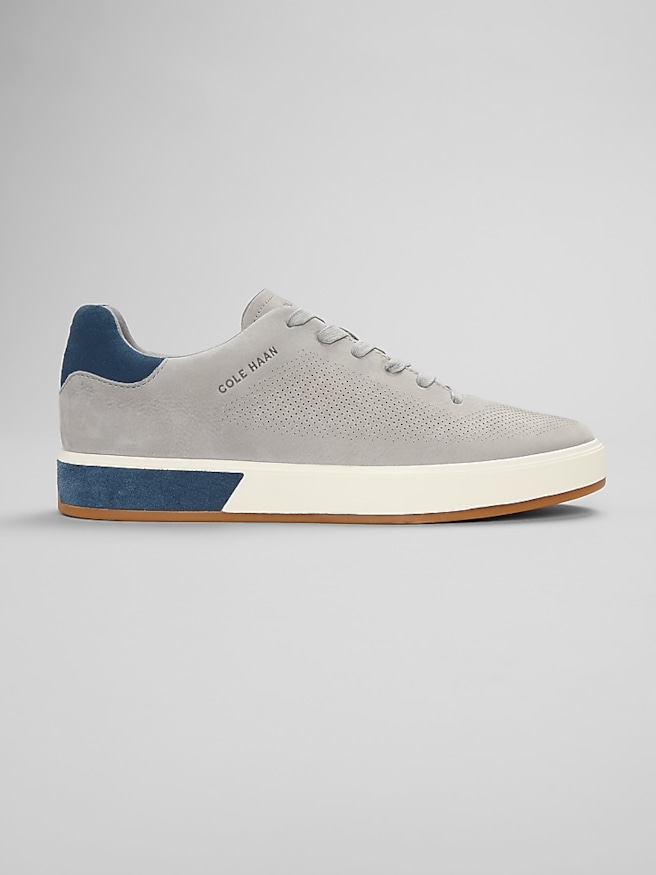
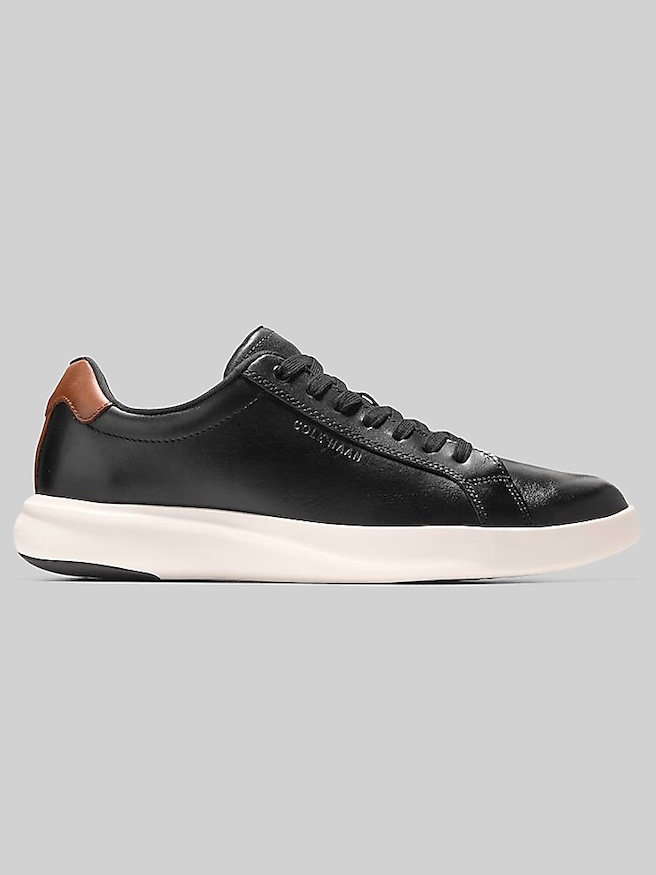
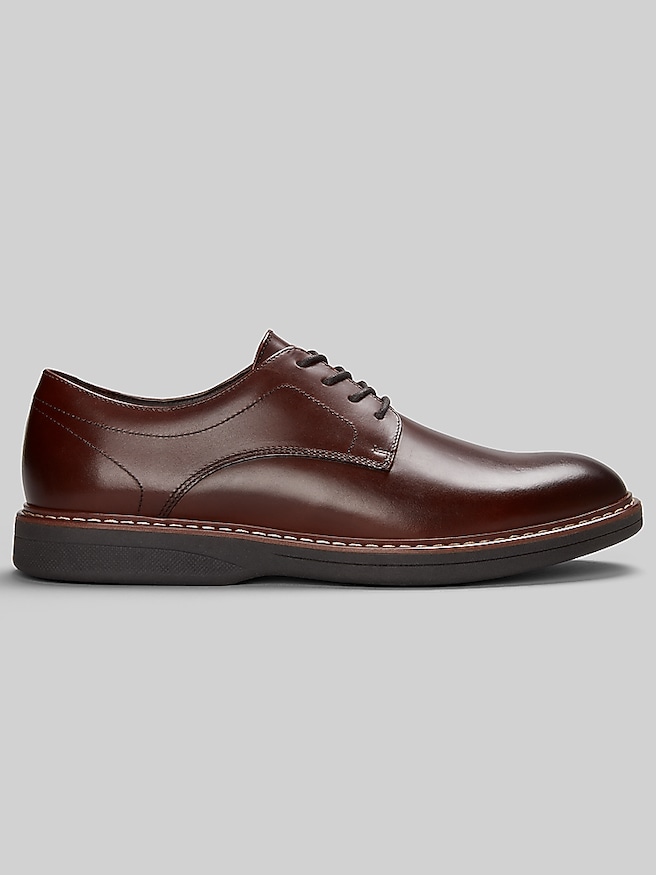
Men’s professional sneakers bring the clean lines of dress footwear to a shape built for everyday movement. Often called dress sneakers, they sit between traditional lace-up shoes and athletic footwear, pairing understated uppers with cushioned footbeds and flexible soles. Their appeal is especially clear on a workday that includes a walk from the train, several hours at a desk, and dinner after the last meeting. A low-profile silhouette, restrained stitching, and minimal visible branding help these shoes look composed alongside tailored clothing rather than ready for a workout. Leather and suede are common choices, while shades such as black, brown, navy, gray, and white offer plenty of room to coordinate with an office wardrobe. Smooth black leather with a dark sole creates a quiet, continuous line beneath charcoal trousers; a white sneaker adds contrast beneath navy chinos and an unstructured jacket. Neither look needs bulky padding or bright accents to stand out. The distinction is in proportion and finish: a neatly shaped toe, tidy laces, and a sole that does not overwhelm the upper give professional sneakers their polished character. They fit naturally into many business casual settings, including creative offices, relaxed client meetings, and workplace gatherings where tailored separates are more common than formal suits. They are not a substitute for dress shoes wherever a conservative or explicitly formal dress code applies. For an interview, presentation, or first visit to a client’s office, the stated expectations of the setting matter more than the general label “business casual.” Where sneakers are appropriate, a well-kept pair can make a knit polo and chinos feel considered, or soften the formality of wool trousers and a blazer without making the outfit look unfinished. That versatility also suits business travel, when footwear needs to work with several outfits and remain comfortable through terminal walks, conference sessions, and an evening meal.
Materials give men’s dress sneakers much of their personality, but construction and fit determine how they feel after hours of wear. Smooth leather has a defined surface that can be wiped clean and, when suitable for the finish, conditioned to help maintain flexibility. Natural creasing develops with movement and is not the same as cracking or damage. Suede offers a softer, matte texture that complements brushed cotton, corduroy, and textured tailoring during the cooler months, though it needs care suited to its nap and greater caution around moisture. Textile panels can reduce weight or encourage airflow, depending on their weave and placement, while linings influence how the shoe feels against a sock. For a related look at leather uppers in sport-influenced silhouettes, Mens Leather Athletic Sneakers connects that material choice with everyday athletic styling. Across professional sneaker designs, softness alone does not establish a good fit. The heel should feel secure without rubbing, the midfoot should stay comfortably supported when the laces are tied, and the toes should have space to move without sliding forward. A shoe that pinches across the forefoot is unlikely to become the right size simply through wear. Trying footwear with the socks intended for work helps make the fit assessment more useful, particularly when switching between thin dress socks and thicker options for cooler weather. Feet may swell over the course of a day, so comfort later in the day matters as much as the first few steps. Cushioning can soften the feel of walking, but a very plush footbed is not automatically more supportive than a firmer, well-shaped one. Removable insoles may be useful for someone who wears an orthotic, provided the shoe has enough interior depth to accommodate it without crowding the foot. Outsole flexibility, tread, and weight also affect daily wear. A streamlined sole can look sharp under trousers, while a textured rubber surface may offer useful grip on ordinary walking routes; no outsole should be assumed slip-resistant or suitable for icy conditions unless it is specifically identified for that use.
The most useful professional sneakers work with the clothing and routines already in a wardrobe. Straight or gently tapered trousers tend to sit neatly over a low-top shape, with a hem that reaches the shoe without pooling heavily around it. Chinos, knitwear, and an overshirt make an easy combination for a relaxed office, while tailored trousers and a soft-shouldered blazer give the same footwear a more structured setting. Dark, tonal sneakers keep attention on the overall outfit, whereas lighter soles create a clearer visual break at the ankle. Socks can bridge that transition: a shade close to the trousers maintains continuity, and a subtle rib or texture adds interest without competing with the shoes. During the cooler months, smooth leather and deeper colors pair comfortably with wool layers, though ordinary dress sneakers should not be treated as weatherproof footwear. Rain, sidewalk grit, and deicing residue can mark uppers and soles, making routine care part of keeping the look professional. Loose dirt is best removed before cleaning; smooth leather generally benefits from a soft cloth and a cleaner suitable for its finish, while suede calls for a dedicated brush and compatible treatment. Manufacturer care directions take priority, especially for mixed-material construction. Cleaning the edges of light-colored soles and washing or replacing worn laces can refresh the appearance without aggressive scrubbing. Wet shoes should dry naturally away from direct heat, and alternating pairs gives the interior time to air out between wears. Durability depends on more than the upper material: secure stitching, sound sole attachment, and reinforcement around high-flex areas all contribute to how a shoe holds up. Daily mileage, walking surfaces, and care habits matter as well. Professional sneakers can also make a practical gift for a graduate starting an office job, a frequent traveler, or someone building a versatile business casual wardrobe, especially when size and workplace expectations are known. Their lasting appeal comes from that balance of tidy appearance and wearable comfort: footwear that looks at home beneath a meeting table and still feels appropriate for the walk to dinner.