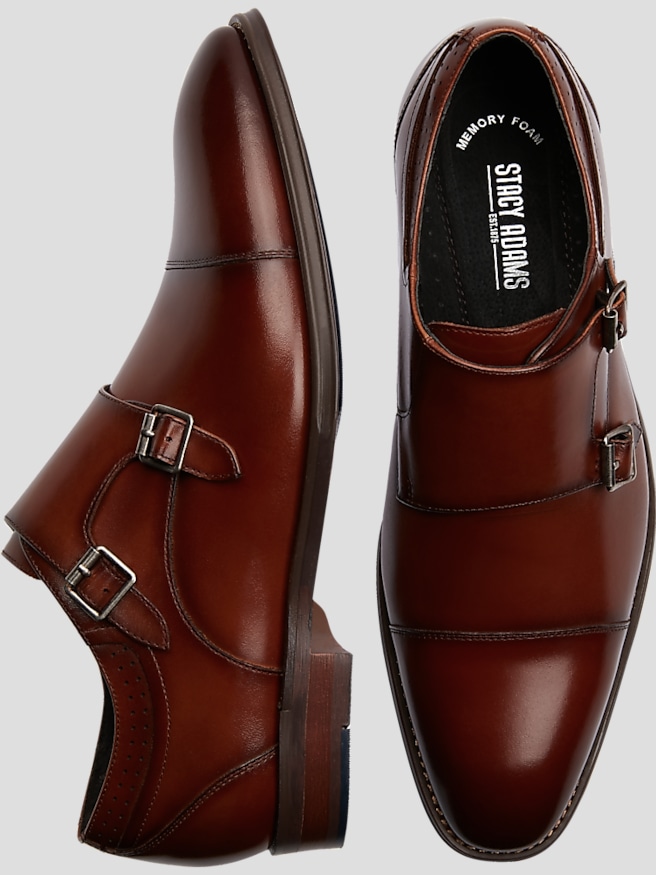
Men's premium leather shoes bring together carefully selected materials, refined finishing, and thoughtful construction in styles that range from polished oxfords to relaxed loafers. Their appeal lies in the details: a clean line through the toe, stitching that follows the edge evenly, and leather with depth and character rather than a flat, painted appearance. Full-grain leather retains the hide's natural surface and can develop a rich patina with wear and appropriate care. Top-grain leather is typically buffed for a more uniform finish, while suede offers a soft, napped texture that gives tailored clothing a less formal feel. Fine-grained calfskin is valued for its supple hand and smooth appearance, though the quality of a finished shoe depends on its construction and finishing as much as its leather. Italian leather can be part of that story, but country of origin alone does not establish craftsmanship. Shape and detailing also influence where a pair feels at home. A closed-lacing oxford creates a sleek profile alongside a business suit, making it a natural choice for important meetings, interviews, and wedding attire. Derbies have open lacing and a slightly more relaxed character, pairing comfortably with dress pants or a blazer and chinos. Loafers bridge tailored and casual wardrobes, with streamlined silhouettes suited to an office setting and more substantial shapes complementing textured trousers or dark denim. Brogue perforations add visual interest, while an understated cap toe keeps the emphasis on proportion and polish. Black smooth leather creates a crisp foundation for charcoal or dark navy tailoring. Dark brown brings depth to navy, gray, and earth tones, and lighter brown shades make stitching and changes in the leather's color more noticeable. For occasions that call for a tuxedo, the dress code may favor patent leather or a highly polished, minimally detailed formal shoe. The most useful choice reflects both the clothing it will accompany and the settings in which it will be worn.
Construction gives premium leather footwear much of its structure, flexibility, and potential longevity. A Goodyear welt joins the upper to a welt, which is then stitched to the outsole, creating a construction that can often be resoled by a qualified cobbler. Blake stitching connects the outsole more directly to the upper, typically allowing a slimmer profile and flexible feel; resoling may also be possible with the appropriate equipment. Neither method makes every shoe equally durable, and well-executed construction matters more than a label alone. Consistent stitching, neatly finished edges, a stable heel, and a smooth interior are useful signs of attention to detail. Leather linings can help manage moisture and create a comfortable surface against the foot, while padding and supportive footbeds influence how a shoe feels through a full day. Sole material changes the experience, too. Leather outsoles offer a traditional appearance and can become more flexible with wear. Rubber outsoles generally provide more traction and cushioning, although performance varies with the tread and compound. Someone moving between a desk, meeting rooms, and a restaurant may favor a different balance of flexibility and support than someone who spends hours standing at presentations or celebrations. Fit is where those details become personal. The last, or form used to shape the shoe, determines its proportions through the toe, ball, instep, and heel, so the same marked size can feel different across silhouettes. A comfortable fit holds the heel securely without excessive slipping, leaves room for the toes to rest naturally, and places the widest part of the foot near the widest part of the shoe. Leather can soften and adapt, but a break-in period should not be expected to correct pinched toes or persistent pressure. Trying shoes with the socks intended for them, and allowing for any prescribed orthotics, gives a more realistic sense of their everyday comfort.
Lasting good looks come from care that suits the leather rather than a heavy layer of polish applied occasionally. Smooth leather benefits from having surface dust removed with a soft brush or cloth before a compatible conditioner is used sparingly. Cream polish can help restore color and nourish the surface, while wax polish adds shine and a degree of surface protection. Product directions matter, especially with delicate finishes, and testing on a discreet area helps prevent an unexpected color change. Suede needs a different approach: a dedicated suede brush helps lift the nap and remove loose dirt, while an appropriate protector can reduce staining without turning the surface glossy. Patent and coated leathers also require care products suited to their finish. After wear, allowing shoes to air out before storing them helps the lining dry naturally. Cedar shoe trees can absorb some moisture and support the shape, particularly through the toe and vamp, where creases develop as the foot bends. Alternating pairs gives each one time to dry between outings. If leather becomes damp, gentle drying away from direct heat is preferable to placing shoes near a heater, which can cause the material to stiffen or crack. Regular attention to worn heel edges, loose stitching, and thinning soles can make repairs more manageable before damage reaches the upper. These habits are especially useful for footwear worn repeatedly with work clothes or reserved for meaningful occasions. For wardrobes that also need a less formal foundation, men's everyday leather shoes offer a related direction for routine office days and casual plans. Premium leather footwear can also make a thoughtful gift for a graduation, a new professional role, or an anniversary when the recipient's size, preferred fit, and usual dress are known. Whether chosen for daily tailoring or milestone events, the strongest match combines an appropriate silhouette, comfortable proportions, and materials that respond well to regular care.