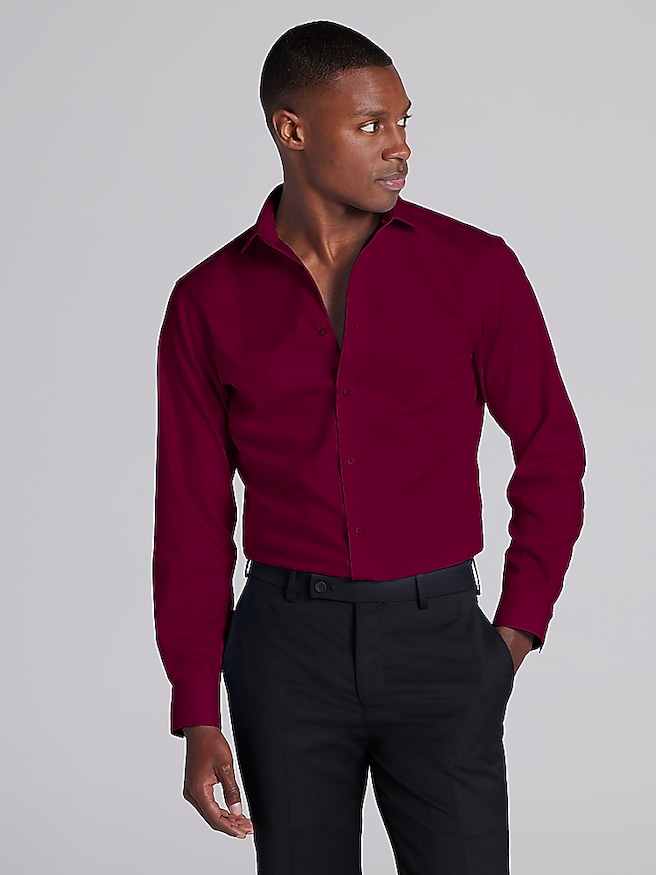
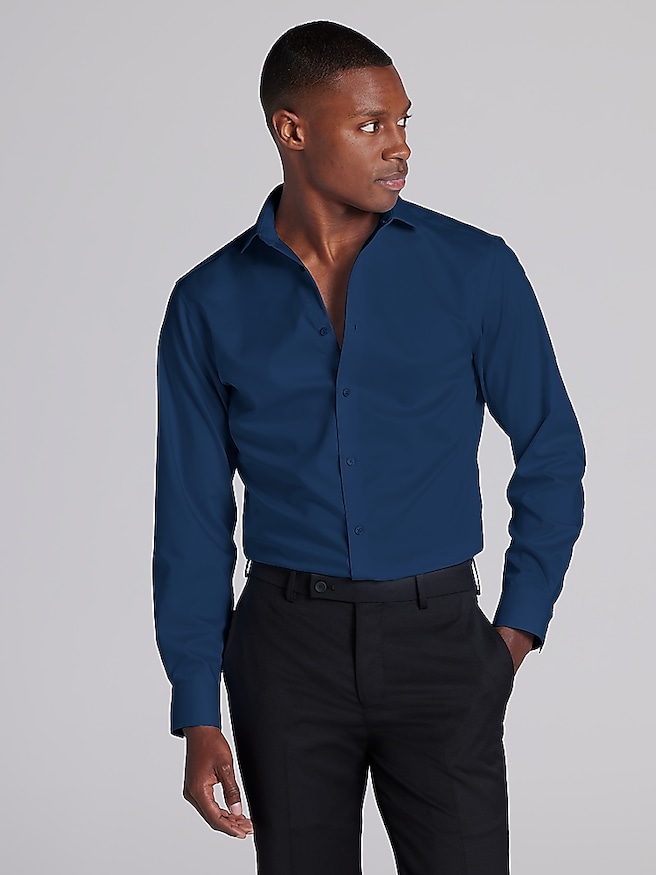
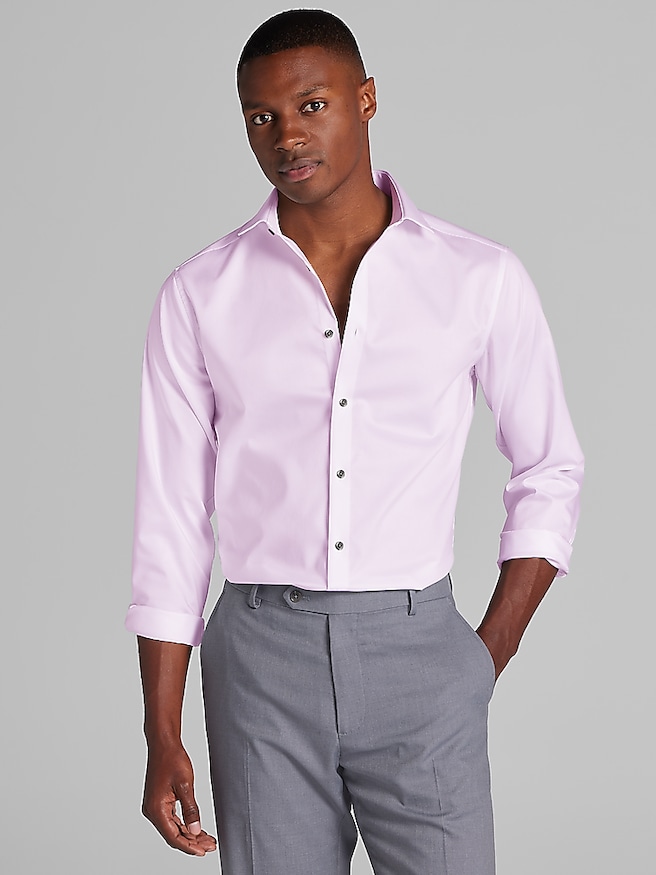
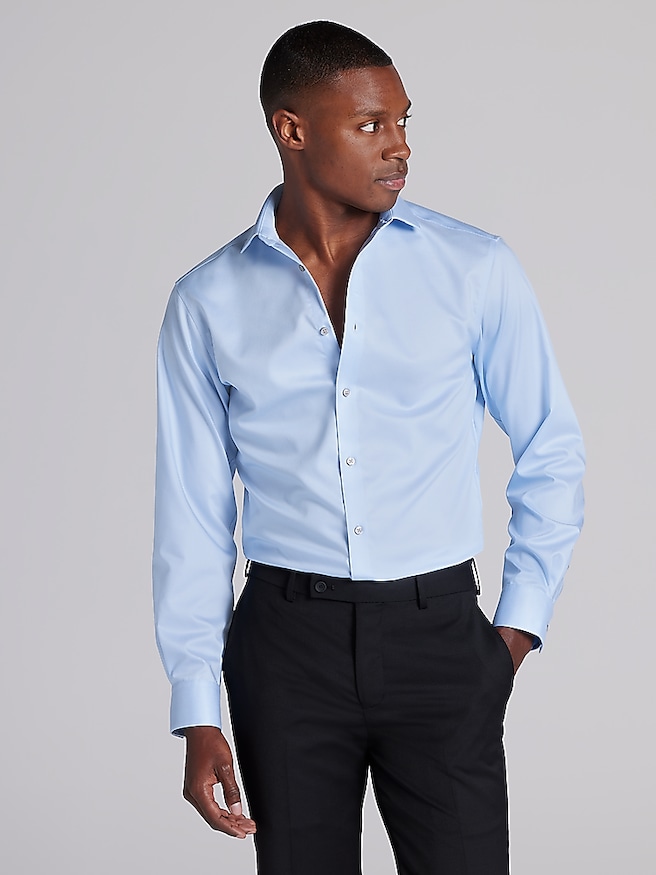
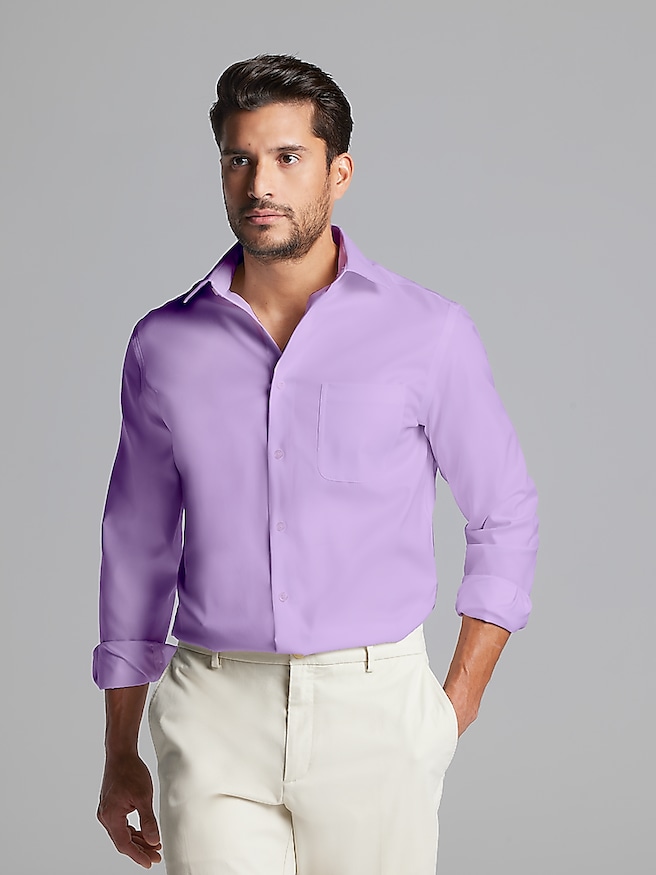
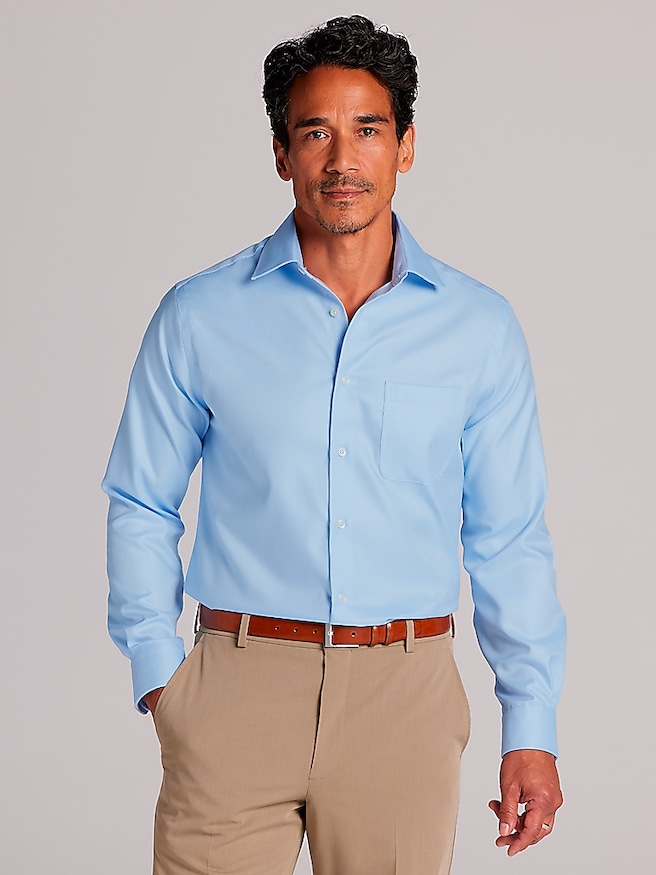
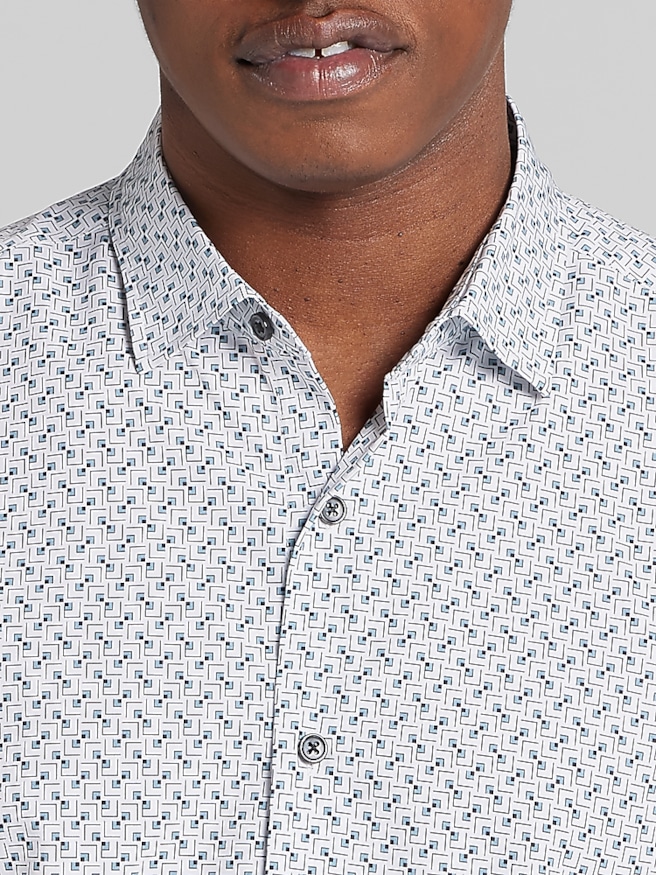
Men’s premium cotton shirts include crisp dress shirts, relaxed button-downs, and refined everyday styles, with their character shaped by the cotton fibers, fabric weave, and construction. Cotton is valued for its breathability, absorbency, and comfortable feel against the skin, making it a practical foundation for shirts worn through meetings, dinners, and everyday routines. Premium is not a single fabric specification, however. A shirt’s quality is better understood through details such as yarn smoothness, even stitching, a well-shaped collar, and fabric that drapes cleanly without feeling flimsy. Longer cotton fibers can produce smoother yarns with fewer exposed fiber ends, contributing to a softer surface and helping reduce pilling. Fabric weight and weave matter just as much to the finished feel. Poplin typically has a smooth, closely woven surface that works well with tailored clothing, while twill has a subtle diagonal texture and often a softer drape. Oxford cloth offers a more visible basket-weave texture, lending itself naturally to button-down shirts and less formal combinations. None of these weaves is automatically better than another; each creates a different balance of structure, texture, and ease. A finely woven shirt can look especially clean beneath a jacket, while a more textured cotton shirt brings depth to a simple outfit of chinos and leather shoes. Fiber content also deserves attention. Some cotton shirts contain stretch fibers or other materials that affect movement, wrinkle recovery, and care, while all-cotton fabrics preserve the distinct feel of cotton without added fibers. Those who prefer that construction can explore Mens 100 Percent Cotton Shirts. Solid colors emphasize the fabric’s surface and the shirt’s shape; stripes and checks introduce pattern without requiring elaborate styling. The most useful choice is one whose fabric, finish, and level of formality suit the way it will actually be worn. A smooth white shirt and a textured blue button-down may both belong in a well-considered wardrobe, yet serve noticeably different purposes.
Fit gives a premium cotton shirt much of its polish. The shoulder seams should sit near the natural edges of the shoulders, with enough room across the upper back to reach forward comfortably. At the chest and waist, the fabric should follow the body without pulling the button placket into gaps or leaving unnecessary folds beneath a jacket. A slim silhouette creates a closer line, while a more relaxed cut leaves additional room through the torso; neither should limit ordinary movement when sitting, driving, or extending an arm across a desk. Collar comfort is especially important for shirts worn with a tie. A fastened collar should allow comfortable movement without pressing into the neck, and its shape should remain balanced beneath jacket lapels. Spread collars can frame a tie knot neatly, while button-down collars tend to lend a more relaxed character, though the overall fabric and styling still influence formality. Sleeve length should allow the cuff to settle around the wrist rather than slide over the hand. With a tailored jacket, a small amount of visible shirt cuff creates a deliberate finish. Shirt length matters, too: a shirt intended for tucking needs enough length to stay secure through normal movement, while an untucked style benefits from a hem proportioned for that purpose. These details become noticeable in familiar settings. A shirt that lies smoothly beneath a suit keeps attention on the conversation during an interview or presentation. A cotton button-down paired with tailored trousers feels considered at a restaurant without looking overly formal. Worn with dark denim, a textured shirt can bring definition to an otherwise straightforward weekend outfit. For a long day that moves from desk work to an evening gathering, comfortable armholes, an unrestrictive collar, and balanced proportions often matter more than decorative details. The right fit supports both appearance and ease, allowing the shirt to look composed without needing constant adjustment.
Care and construction influence how well that appearance lasts. Cotton can wrinkle and may shrink, particularly when washing and drying methods do not match the care label. Preshrunk fabric can help limit dimensional change, but it does not make every shirt immune to shrinkage. The garment’s own instructions remain the best reference because finishes, trims, and fabric blends can require different treatment. Washing with similar colors, addressing stains promptly, and avoiding excessive dryer exposure help protect the fabric and its appearance. Removing a shirt promptly after drying and smoothing the collar, placket, and cuffs can reduce stubborn creases. When ironing is appropriate, following the recommended setting and pressing around buttons rather than directly over them helps keep these details neat. Wrinkle-resistant treatments may reduce maintenance, but they do not necessarily eliminate the need for pressing, and the finish may feel different from untreated cotton. Durability also comes from everyday habits: rotating shirts gives each one time between wears, while attention to a loose button or an opening seam can prevent a small issue from becoming a larger repair. High-friction areas, including cuffs and collar edges, benefit from gentle handling and regular cleaning before buildup becomes difficult to remove. For gifting, cotton shirts are especially useful when the recipient’s neck size, sleeve length, preferred fit, and usual dress habits are known. Someone who wears a tie most workdays may appreciate a smooth dress-shirt fabric and a collar suited to that routine. Someone whose wardrobe centers on chinos and denim may get more use from a textured button-down with a comfortable, less structured shape. Familiar colors and restrained patterns are often easier to work into an established wardrobe than an unfamiliar silhouette or bold print. Whether chosen for professional wear, social occasions, or a thoughtful gift, men’s premium cotton shirts earn their place through a combination of pleasing fabric, dependable construction, practical care, and a fit that feels right throughout the day.