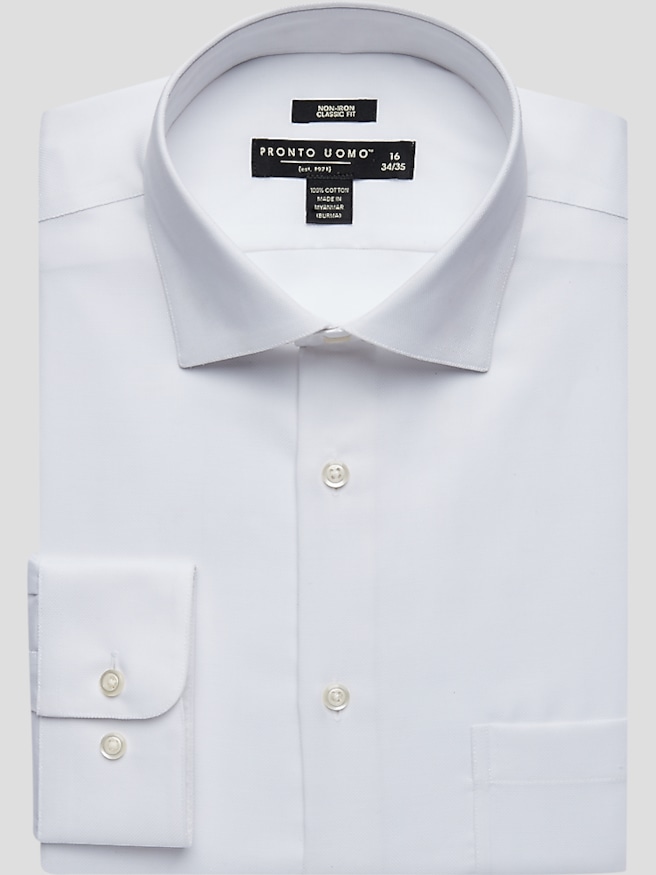
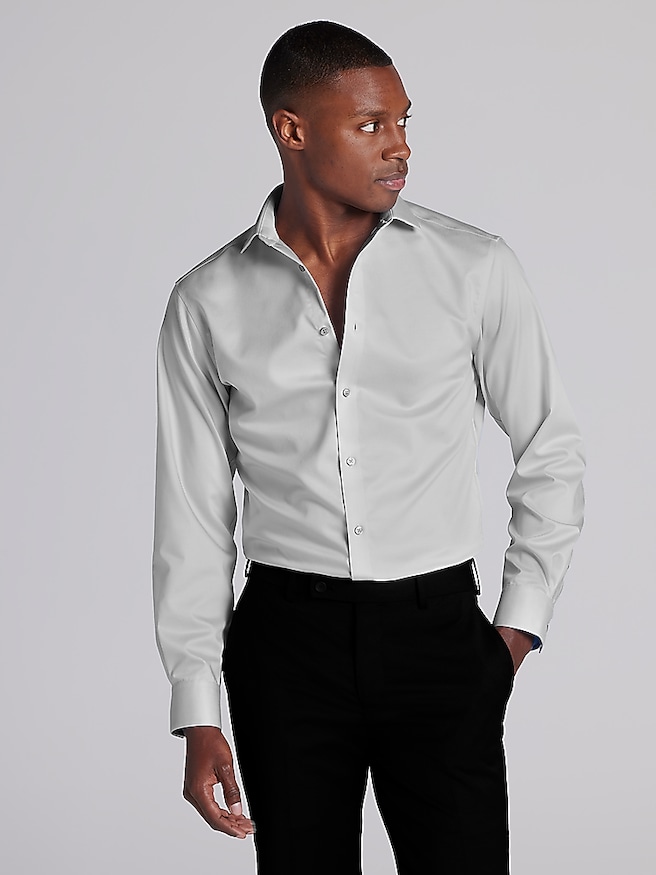
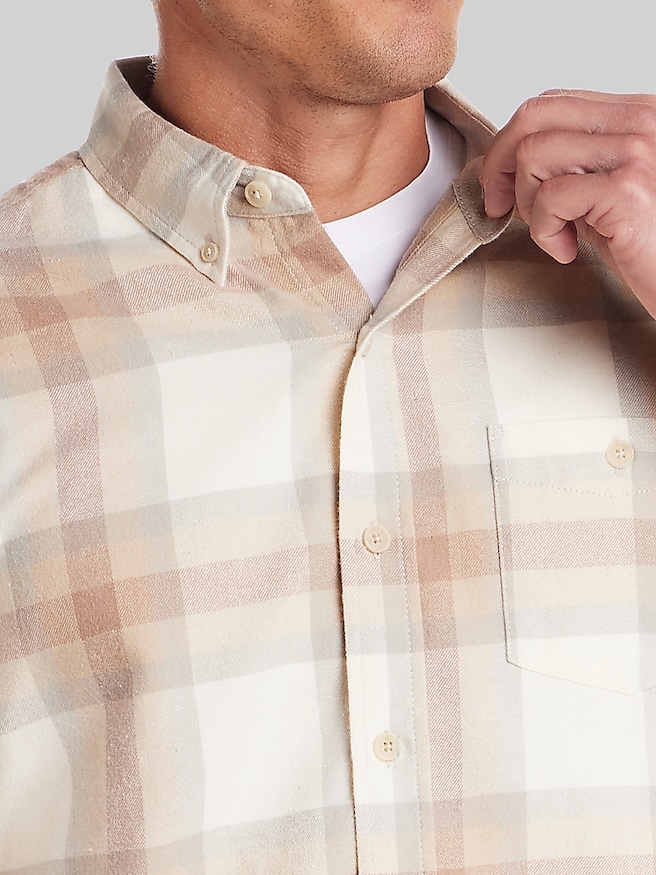
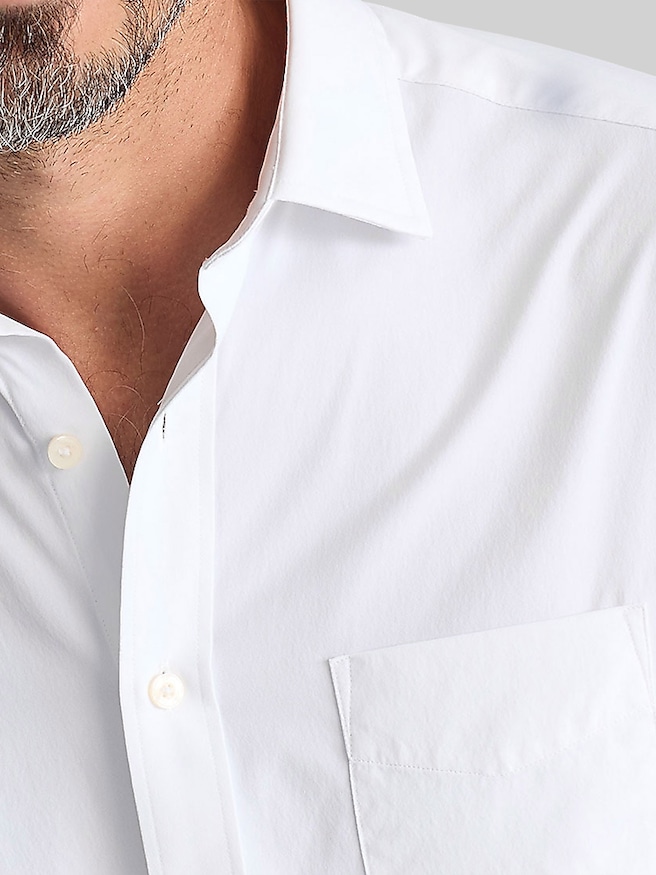
Men’s pocket shirts combine the familiar comfort of a shirt with a practical chest detail, spanning pocket T-shirts, polos, casual button-front shirts, and more structured styles. That small patch of fabric changes both the look and the function of a shirt: it can break up a solid color, add texture to a simple outfit, or provide a convenient place for a folded note or a pair of glasses. A single chest pocket generally creates a cleaner, more understated appearance, while two pockets give a shirt a stronger utility influence. Open-top pockets keep the design simple; buttoned flaps add definition and help hold small contents in place, although no shirt pocket should be treated as secure storage for valuables. Pocket size and placement matter, too. A pocket that sits flat and looks proportional to the chest tends to blend naturally into an outfit, while an oversized pocket becomes a more noticeable design feature. On patterned shirts, aligned stripes or checks can make the pocket nearly disappear; contrasting placement draws attention to the construction. These details give pocket shirts a place in many everyday settings, from a relaxed office and a lunch meeting to a family gathering or an afternoon spent running errands. A solid pocket tee works naturally with jeans or chinos, while a collared pocket shirt can bring more definition to the same pants without making the outfit feel overly formal. A button-front style worn open over a plain tee offers another casual option. For settings that call for a tie or a jacket, a smooth, restrained pocket design generally keeps the overall look less busy than large flaps or multiple utility details. The appeal is straightforward: pocket shirts offer familiar silhouettes with a useful detail, making them easy to incorporate into a wardrobe built around clothes that earn repeated wear.
Fabric gives men’s pocket shirts much of their character, influencing how they drape, feel against the skin, and hold their shape. Cotton jersey has the flexible, familiar feel associated with everyday T-shirts, while pique knit adds a lightly textured surface often found in polos. Oxford cloth has a more substantial, basket-weave texture that suits casual button-front shirts; poplin typically looks smoother and crisper. Chambray brings a woven, denim-like appearance without necessarily having denim’s weight, and twill has a diagonal weave that can add body and a soft drape. For a brushed texture and a more relaxed visual character, Mens Flannel Shirts With Pockets offer another expression of the pocket-shirt style. Fiber content and fabric construction work together, so cotton alone does not tell the whole story of how a shirt will feel or perform. Cotton blends may help with shape retention or wrinkle resistance, depending on their composition and finish, while a small amount of stretch fiber can make reaching and sitting more comfortable. Fabric weight also affects how well a chest pocket supports its contents: a pen or glasses may pull noticeably on a lightweight knit, while a firmer woven fabric can provide more structure. Fit is equally important to the finished appearance. Shoulder seams should sit comfortably near the shoulders rather than slipping far down the arms, unless the shirt is intentionally designed with a dropped shoulder. Across the chest, a button-front shirt should lie smoothly without pulling between the buttons or making the pocket gape. A trim fit follows the torso more closely, while a roomier cut gives extra space through the chest and waist. Neither should restrict ordinary movement. Sleeve length, collar shape, and the hem complete the proportions. Straight or gently curved hems often work well untucked, while longer shirttails help a shirt stay tucked during a workday. Under a jacket, a flatter pocket and less bulky fabric create a smoother layer.
Durability in a pocket shirt comes from the relationship between fabric, construction, fit, and care—not simply from how heavy the material feels. Pocket corners take repeated stress, particularly when the pocket is used often, so reinforced stitching at those points can be a useful construction detail. Even seams, securely attached buttons, and a pocket that lies flat contribute to a shirt’s lasting appearance. Carrying bulky objects can stretch a knit pocket or distort the front of a woven shirt; keeping heavier belongings elsewhere helps preserve the intended shape. Care requirements vary by fabric and finish, making the sewn-in care label the most reliable starting point. Many everyday shirts can be machine washed, but wash temperature, drying method, and ironing instructions should follow the garment’s directions. Separating colors, avoiding an overloaded washer, and treating a small mark before it becomes set can help keep a frequently worn shirt looking presentable. Excessive dryer heat may contribute to shrinkage or wear in some fabrics, and removing a shirt promptly after drying can reduce deep creases. Woven collars, cuffs, and pocket edges sometimes benefit from a brief press at the appropriate setting; textured knits may need a different approach. These practical details matter for anyone building a dependable rotation for commuting, desk work, casual gatherings, or days that include several stops without an outfit change. A person who regularly carries reading glasses may appreciate an accessible chest pocket, while someone who prefers a minimal appearance may value that same pocket mainly as a subtle design detail. Pocket shirts can also make thoughtful gifts when the recipient’s size, preferred fit, and usual wardrobe are known. Familiar colors, comfortable fabrics, and care requirements that match everyday habits are often more useful than an unfamiliar silhouette. Whether paired with clean sneakers and denim or chinos and leather shoes, a well-proportioned pocket shirt brings together comfort, practical construction, and an easygoing finish without demanding an elaborate outfit.