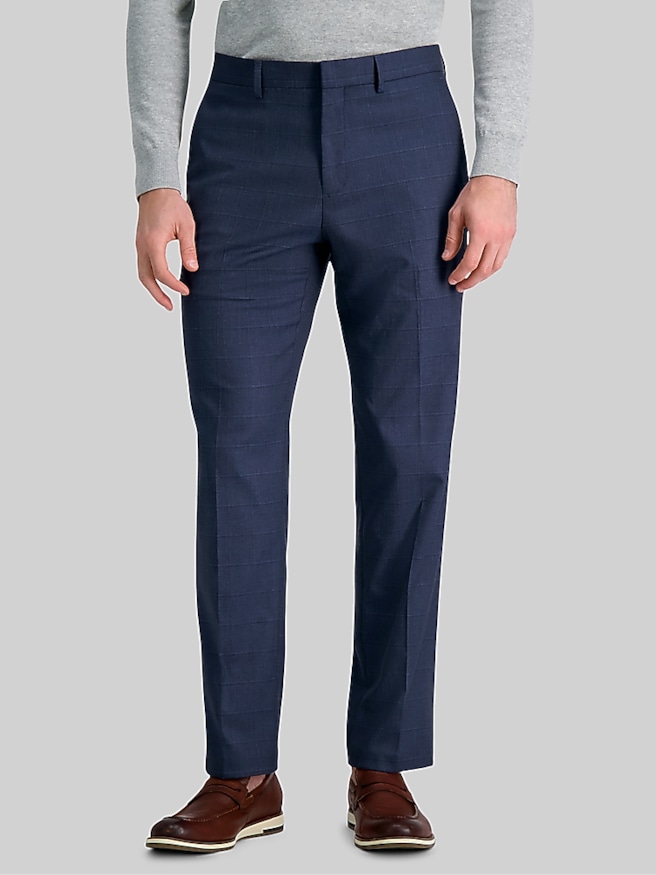
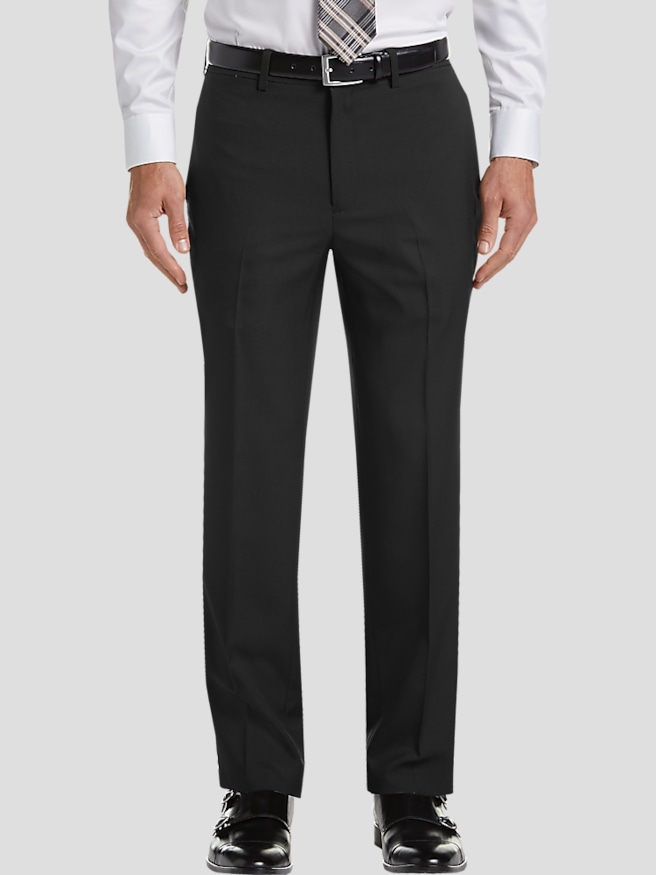
Men’s patterned pants bring depth and personality to a wardrobe, from fine pinstripes and small checks to expressive plaids and larger geometric designs. The pattern’s scale, contrast, and color influence how the pants look and where they feel most at home. A close-set charcoal check can read almost like a solid from across a conference room, revealing its detail up close, while a broad windowpane creates a more noticeable grid. Glen plaid combines overlapping checks for a layered effect, and houndstooth uses broken, angular shapes that give tailored trousers a distinctive texture. Pinstripes create narrow vertical lines; wider or more sharply contrasting stripes make a stronger visual statement. For office wear, dinners, and celebrations with a dressy but not strictly formal dress code, restrained patterns in navy, gray, brown, or black offer plenty of pairing possibilities. Larger checks and bolder prints lend themselves to creative workplaces, parties, and casual outings where personal expression is part of the appeal. Pattern alone does not determine formality: fabric, cut, construction, and the rest of the outfit matter just as much. A crisp pair of checked dress pants with a pressed crease has a more structured appearance than relaxed printed cotton pants, even when both share similar colors. Wedding guests can use subtle patterned trousers as part of a coordinated outfit when the invitation permits separates, while black-tie occasions generally call for the specified formal attire rather than patterned pants alone. For someone moving beyond a wardrobe of solid trousers, a low-contrast pattern offers a familiar starting point without making every outfit feel like a statement. For someone who already enjoys expressive clothing, a larger motif can become the focal point. The most useful choice is often a pattern that echoes colors already present in shirts, jackets, and shoes, giving the pants a natural place in an established wardrobe.
Fabric and fit shape the experience of wearing patterned pants as much as their appearance. Wool is associated with tailored trousers because it can drape cleanly, hold a pressed line, and recover from some everyday wrinkling. Wool blends may combine those qualities with added strength or easier maintenance, depending on their composition and construction. Cotton typically has a more matte appearance and a familiar feel, making it well suited to patterned chinos and less structured pants. Cotton twill has a diagonal weave that can provide substance, while smoother weaves create a cleaner surface for a printed design. Polyester and other synthetic fibers can contribute wrinkle resistance and durability, though performance varies by fabric rather than fiber content alone. A small amount of elastane may add useful flexibility for sitting through meetings, driving, or walking between appointments. Stretch should complement a comfortable fit, not compensate for a waistband or thigh that is too tight. Woven patterns are formed by the arrangement of yarns, while printed patterns sit on the fabric’s surface; neither method automatically guarantees better quality, and both benefit from appropriate care. A well-fitting waistband rests comfortably without needing a belt pulled tight to hold it in place. The seat should lie smoothly, and the pockets should remain reasonably flat instead of pulling open. Slim fits create a closer line through the leg, straight fits offer a more consistent width, and relaxed fits allow additional room. Those labels are useful starting points, but the actual measurements and proportions matter more. Rise also affects comfort and appearance: a higher rise sits closer to the natural waist, while a lower rise changes where the waistband rests and how a tucked shirt looks. Pattern makes proportion especially visible. Checks can appear distorted where fabric pulls, and stripes look cleaner when the leg hangs without twisting. Hem length deserves similar attention. A slight break lets the fabric touch the shoe with a modest fold; little or no break gives the pattern a more uninterrupted finish. Trying pants while seated, taking a few steps, and checking the side and back views helps reveal whether the cut supports ordinary movement.
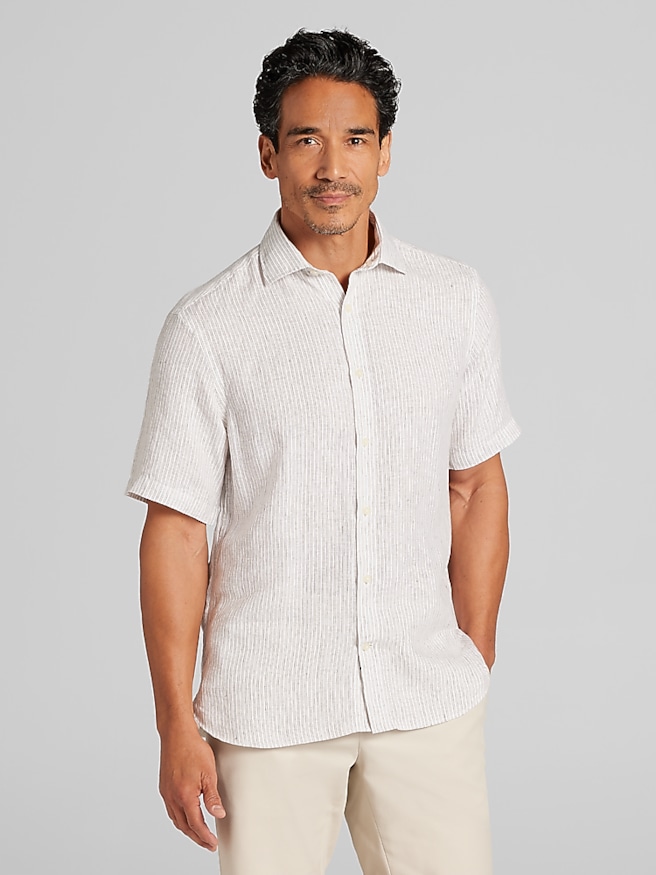
Patterned pants are easiest to incorporate into repeat outfits when the surrounding pieces give the design room to register. A solid shirt that picks up one color from the pattern creates a clear connection without requiring an exact match. Gray checked trousers with a white button-down and dark leather shoes can look composed for a client lunch, while the same pants with a simple knit polo and clean sneakers feel less structured for dinner with friends. A navy jacket can anchor a subtle plaid, provided the jacket and trousers have enough contrast to look intentionally paired rather than like an almost-matching suit. Combining patterned trousers with men’s patterned shirts can also work when the designs vary in scale and share a restrained color palette; a fine shirt stripe beside a broader trouser check is often easier to read than two equally bold motifs. Belts, socks, and shoes can stay quiet when the pants carry most of the visual interest. Beyond styling, practical details influence how often a pair gets worn. Secure seams, neatly finished hems, smooth pocket openings, and a dependable closure support everyday use. Pattern alignment at visible seams can contribute to a polished appearance, although exact matching varies with the design and construction. Repeated abrasion at the seat, inner thighs, and pocket edges affects longevity, so adequate room and thoughtful handling matter. Care should follow the garment label: some tailored pants require professional cleaning, while others permit machine washing under specified conditions. For washable fabrics, turning pants inside out and using an appropriate gentle setting may help protect the surface, but drying and ironing requirements still depend on the material. Prompt attention to spills, suitable hangers, and avoiding overfilled pockets help preserve shape and appearance. A press cloth can protect the surface during ironing when the care label allows it. As a gift, patterned pants suit someone whose waist size, inseam, preferred rise, and taste in patterns are already known. Familiar proportions and wearable colors make a thoughtful choice, particularly for someone building a work wardrobe or adding personality to everyday outfits. The lasting appeal lies in that balance: enough detail to feel distinctive, with the comfort and versatility to earn regular wear.