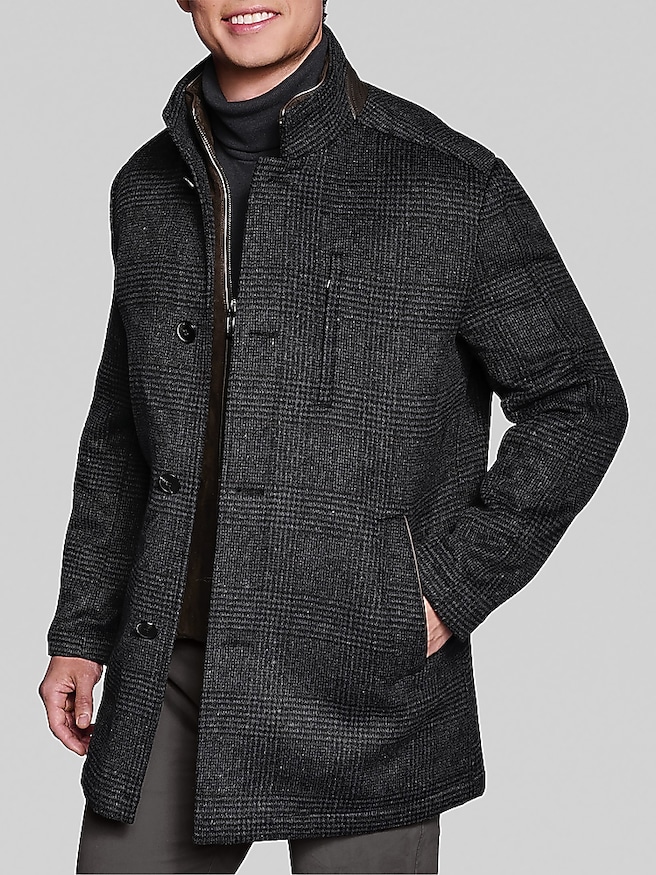
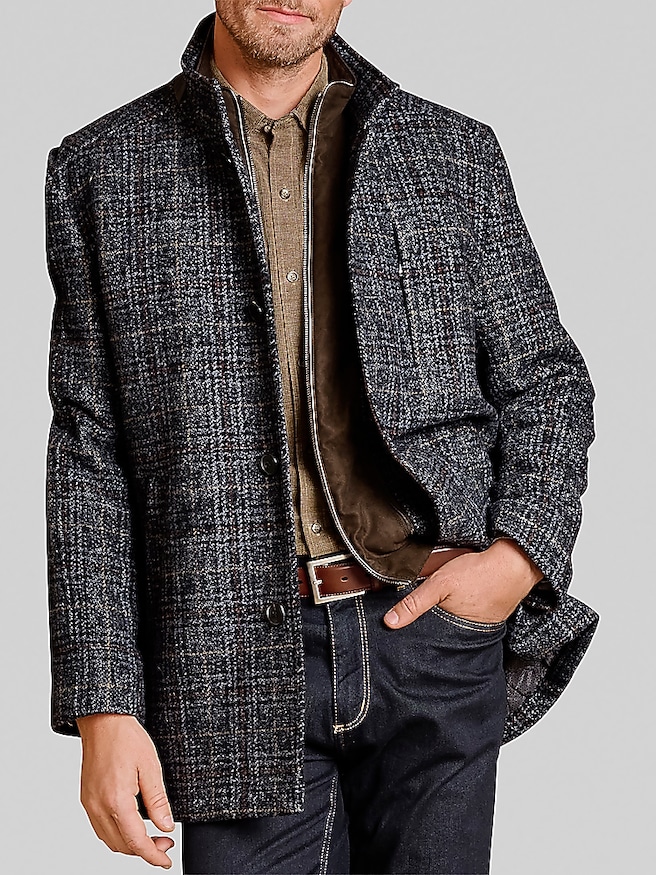
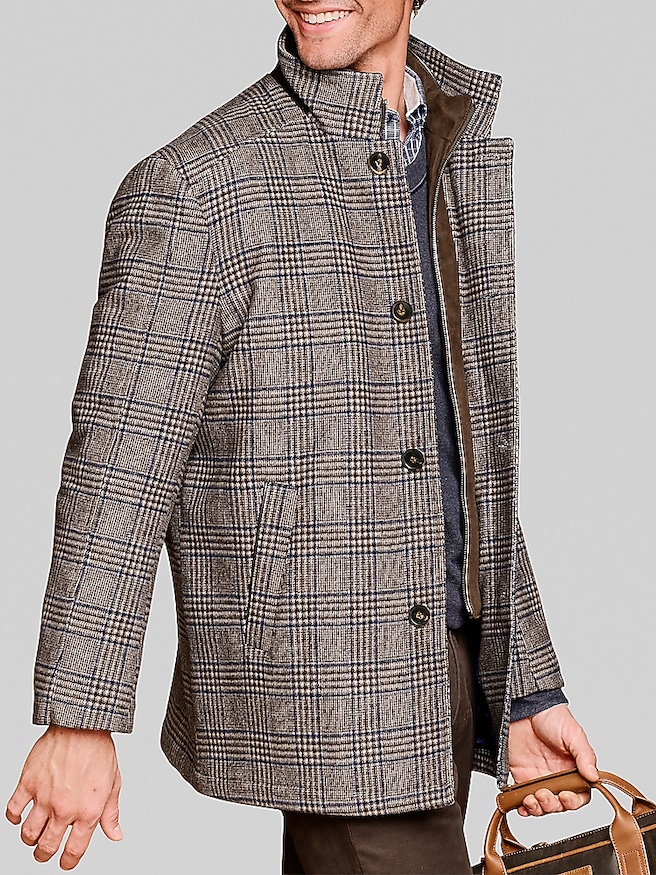
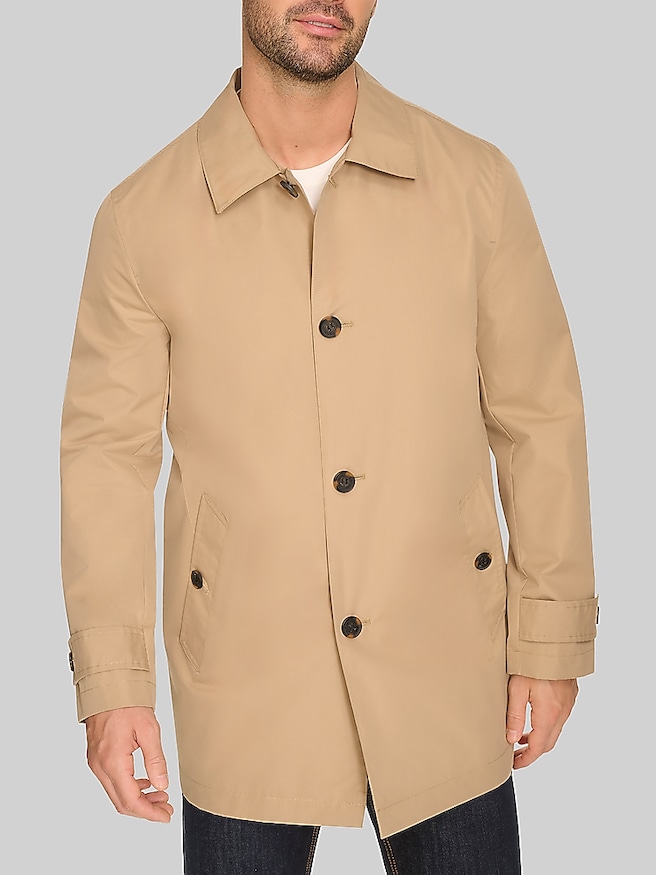
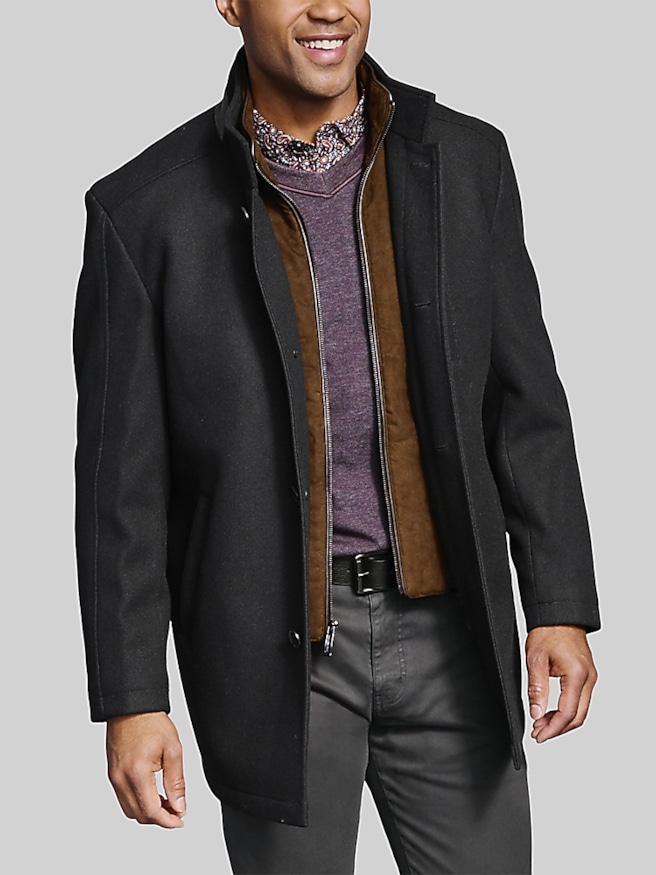
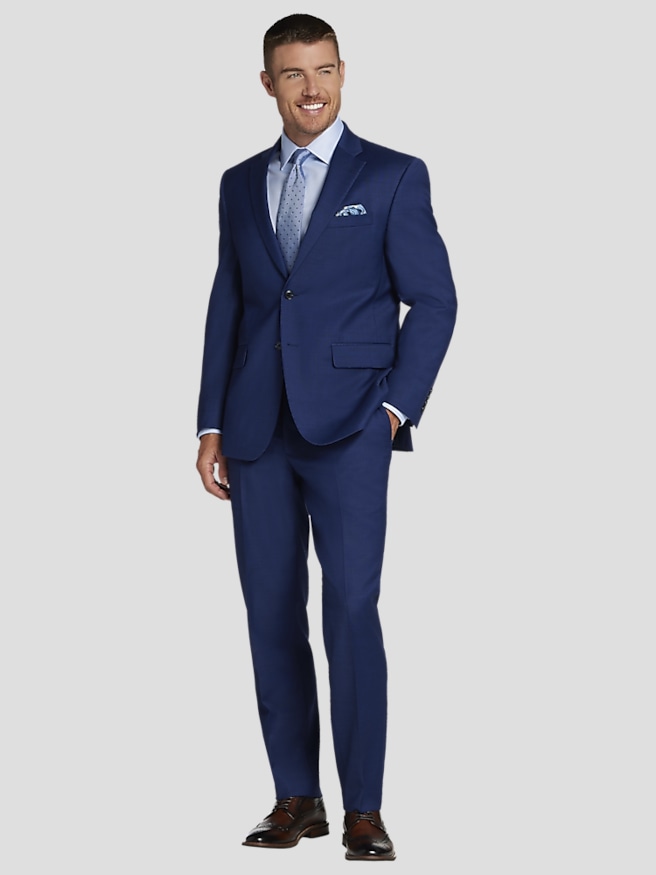
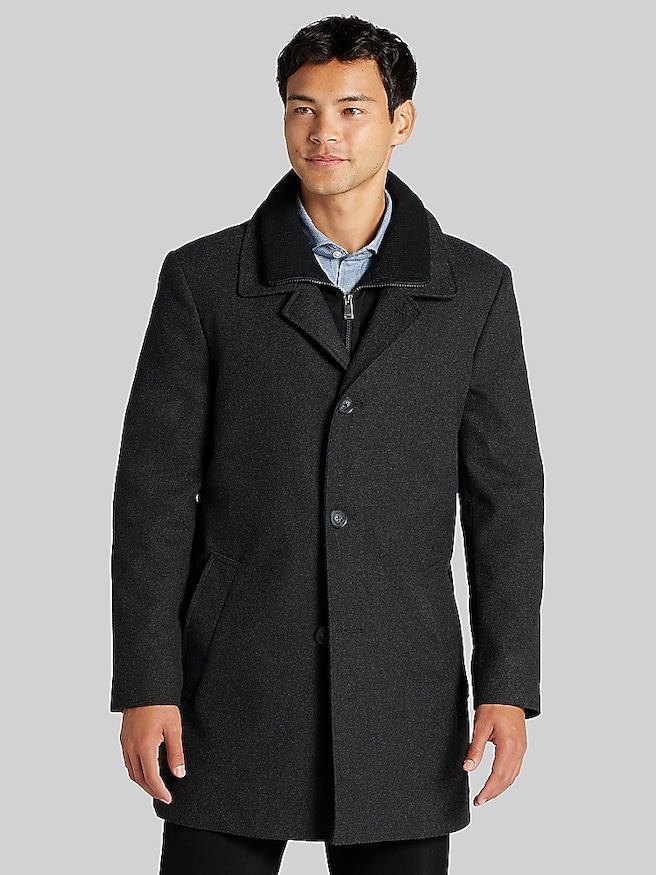
Men’s outerwear for fall brings together warmth, coverage, and the finishing details that make a layered outfit feel complete. Common styles include wool-blend coats, quilted jackets, field jackets, bombers, and lightweight shells, each suited to a slightly different routine. A shorter jacket leaves room to move on a drive or a walk across campus, while a longer coat offers more coverage over a suit or sport coat. For office commutes, dinners out, and occasions that call for tailoring, Men's Fall Coats can provide a streamlined outer layer without hiding the shape of the outfit underneath. Casual jackets pair naturally with jeans, chinos, knitwear, and leather boots, making them useful for weekend errands, football outings, or an evening around an outdoor table. The most versatile silhouette depends as much on what goes underneath as on the coat itself. A jacket worn over a T-shirt can sit closer to the body than one intended for a substantial sweater, and a coat worn over tailoring needs enough room through the shoulders and upper arms to keep the layers from binding. Shoulder seams should generally sit near the shoulder’s natural edge unless the design intentionally uses a relaxed or dropped shape. Sleeves should allow comfortable movement without swallowing the hands, and the front should close without pulling across the chest. Sitting, reaching forward, and bending the elbows reveal more about everyday comfort than standing still in front of a mirror. Length matters, too: an outer layer should generally cover the hem of a suit jacket when the two are worn together. Navy, charcoal, black, olive, and shades of brown work easily with many fall wardrobes, while texture adds interest without requiring a bold color. A softly brushed surface, a subtle herringbone, or defined quilting can give a simple outfit depth. The result should feel natural for the wearer’s day, whether that means carrying a briefcase onto a train or heading from a casual workplace to dinner.
Fabric and construction help determine how fall outerwear feels in use, not just how it looks on a hanger. Wool and wool blends are familiar choices for structured coats because they provide insulation and drape, though warmth also depends on fabric weight, lining, length, and construction. A blend may combine wool’s texture with fibers selected for strength, easier care, or a particular finish; the fiber label provides a clearer picture than appearance alone. Cotton twill and canvas bring a more casual character, with a firm hand that can suit field-inspired shapes and everyday jackets. Nylon and polyester are common in lightweight shells and quilted outerwear, where the fabric, insulation, and overall design work together to manage bulk and warmth. Down insulation can offer substantial warmth for its weight, while synthetic fill may be useful where damp conditions are a concern; neither choice makes the entire garment waterproof. Water resistance, waterproof protection, and wind resistance are separate qualities, and any protective claim should come from the garment’s stated specifications. A wool coat can be comfortable for a brisk walk between buildings without being the best choice for prolonged rain. Likewise, a lightweight shell may help block wind but need a sweater beneath it for warmth. Small construction details become noticeable over repeated wear. A zipper that moves smoothly, buttons secured firmly, even stitching, and reinforced pocket openings all deserve attention. A lining can help a coat slide over knitwear, though its presence alone does not establish how warm the coat will be. An adjustable cuff or a collar that closes higher can reduce gaps where air enters. Pockets should suit real habits: hands resting comfortably at the sides, keys kept separate from a phone, or gloves tucked away before stepping indoors. Overfilled pockets can distort a tailored silhouette, so their placement and capacity matter. These practical details distinguish outerwear intended mainly for short trips from layers expected to handle longer stretches outside, frequent travel, or an active daily commute.
Good care helps fall jackets and coats retain their shape, finish, and usefulness through repeated wear. The care label is the starting point because similar-looking fabrics can require very different treatment. A structured wool-blend coat may need professional cleaning, while some synthetic or cotton outer layers permit machine washing under specific conditions. Insulated garments and treated shells can have additional requirements for detergent, drying, or restoring a protective finish. Excessive heat, an unsuitable cleaner, or an improvised wash cycle can affect fabric, trim, insulation, and shape. Between cleanings, allowing a garment to air out in a ventilated space can help keep it fresh. A soft garment brush may lift surface dust from suitable wool fabrics, and spills are best addressed promptly according to the care instructions rather than rubbed into the material. Broad, supportive hangers help structured coats maintain their shoulders; lighter jackets should also have enough support to avoid stretched necklines or misshapen seams. Before storage, garments should be clean and fully dry, with pockets emptied and enough space around them to avoid crushing. Routine attention to a loose button or a small seam opening can prevent a minor repair from becoming a larger problem. These considerations also make outerwear a thoughtful gift for someone building a work wardrobe, starting a new job, or replacing a well-used everyday layer. Useful details include the recipient’s usual jacket size, preferred fit, commute, and the layers typically worn underneath. Measurements from a coat that already fits well can be more informative than guessing from a shirt size alone. Someone who spends substantial time walking outdoors may appreciate coverage and secure closures, while a frequent driver may favor a shorter hem and easy movement through the shoulders. A familiar color and an uncomplicated silhouette can make a gift easier to wear with an established wardrobe. Whether selected for personal use or given to someone else, fall outerwear earns its place through a comfortable fit, appropriate protection, and details that hold up to the way it is actually worn.