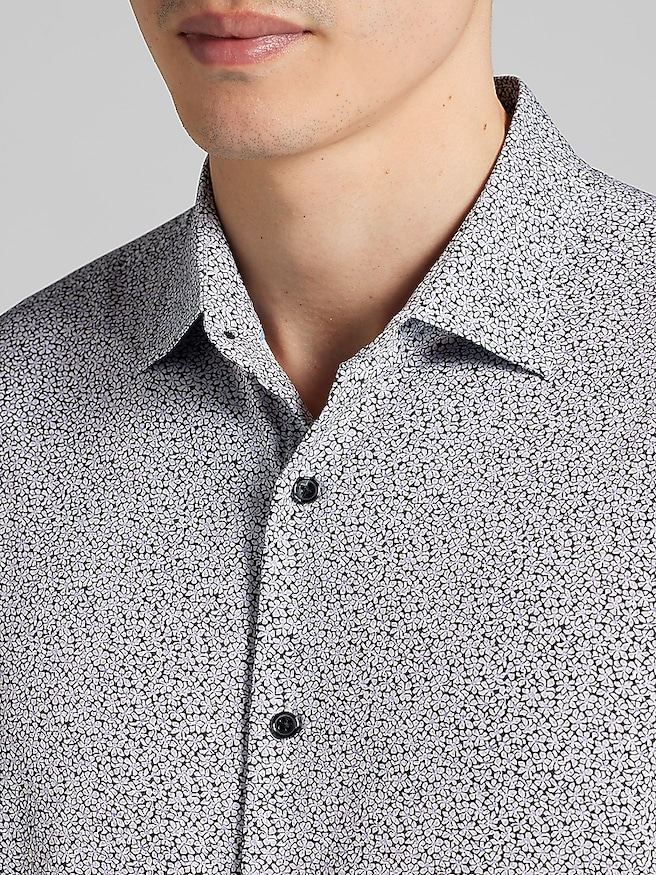
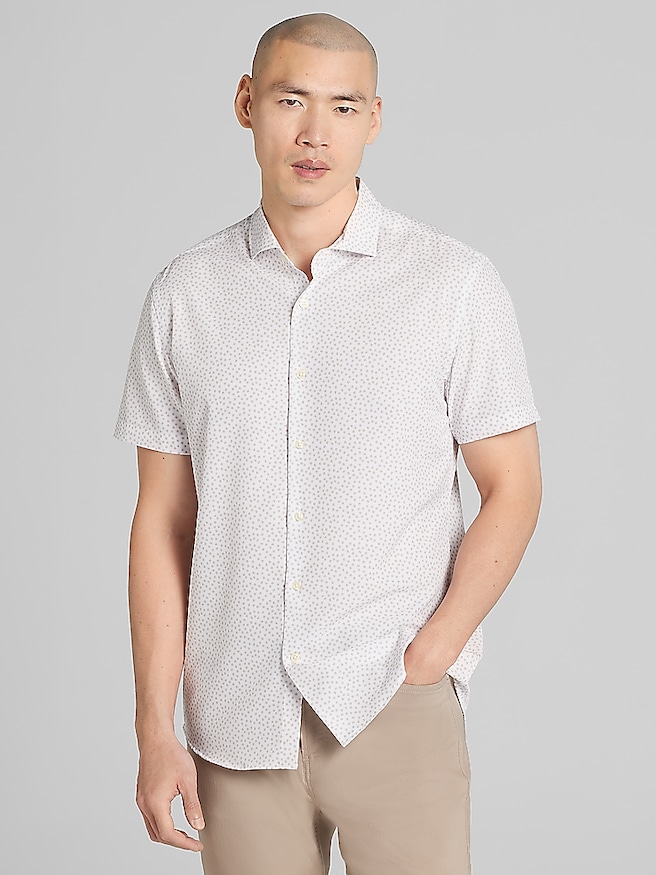
Men’s non-iron short-sleeve shirts combine the structure of a collared shirt with fabric designed to need little or no ironing when cared for as directed. They suit everyday routines that call for a neat appearance without an extended pressing session: a business-casual office, a lunch meeting, a work trip, or dinner after a full day away from home. The short sleeves give the silhouette a relaxed character, while a defined collar and button front keep it more structured than a T-shirt. Non-iron generally refers to a fabric treatment or construction intended to help the shirt maintain a smooth appearance after laundering. Wrinkle-resistant is a broader description of resistance to creasing; neither term means a shirt is incapable of developing wrinkles. Fiber content, weave, fit, and care all affect the result. Cotton offers a familiar feel against the skin and absorbs moisture, while cotton blends may add resilience, quicker drying, or easier wrinkle recovery, depending on their composition. A small amount of stretch can make reaching for a file or sitting through a long presentation more comfortable, but stretch and non-iron performance are separate features. Poplin typically has a fine, smooth surface that works well with tailored trousers. Twill has a subtle diagonal texture and can give a shirt a slightly more substantial feel. An Oxford-style weave brings visible texture that pairs naturally with chinos or dark denim. Fabric weight also influences how a shirt hangs: a lighter cloth may drape softly, while a more substantial weave can hold a defined shape through the body and collar. Solid colors offer a straightforward foundation for repeated wear, fine stripes add definition, and restrained checks or small patterns can bring interest without dominating an outfit. These details let an easy-care short-sleeve shirt feel appropriate for both professional settings and less formal plans, rather than limiting it to a single kind of occasion.
Fit makes the difference between a shirt that simply buttons and one that looks composed throughout the day. The shoulder seams should sit near the edges of the shoulders, with enough room across the upper back to reach forward comfortably. Across the chest, the button placket should lie relatively flat rather than pulling open when seated. A classic fit generally provides more space through the chest and waist, creating an easy silhouette that can work well for a broader build or a preference for extra room. A slim fit follows the torso more closely, reducing excess fabric at the sides without needing to feel tight. Those descriptions vary by maker, so body measurements and the relevant size chart are more useful than assuming the same size will fit identically in every shirt. Shoppers who favor a closer silhouette can also explore Mens Non Iron Slim Fit Shirts for another fit-focused approach to easy-care dressing. On a short-sleeve shirt, sleeve width deserves as much attention as the body: the opening should allow natural movement without flaring dramatically or gripping the upper arm. Sleeves commonly finish around the middle of the upper arm, although proportion matters more than a fixed measurement. Hem length helps determine how the shirt works within an outfit. A longer hem offers more coverage for tucking into trousers, while a shorter, balanced hem can look intentional worn untucked. For a workplace outfit, a tucked shirt with chinos, a leather belt, and loafers creates a clean line without feeling overly formal. An untucked shirt with well-fitting jeans and simple sneakers has a more relaxed effect. Collar construction matters, too. A button-down collar keeps its points secured, while an unbuttoned-point collar creates a different frame around the face. Short sleeves generally belong in casual and business-casual settings rather than occasions with a formal dress code; the expectations of a particular workplace or event remain the best reference.
Easy care is a practical benefit, but a non-iron finish still depends on an appropriate laundry routine. The sewn-in care label takes priority because fiber blends, dyes, and finishing treatments can require different handling. Washing at the recommended temperature, avoiding an overcrowded machine, and giving shirts room to move can help prevent deeply set creases. When tumble drying is permitted, the specified heat setting matters, and removing a shirt promptly helps keep it from sitting compressed in the drum. Hanging it with the collar and placket gently smoothed into place supports a neater finish. Line drying may also be suitable when the label allows it, though the finished appearance can differ from that of a shirt dried according to other approved instructions. A stubborn crease may occasionally need attention; any ironing or steaming should follow the garment’s care directions rather than an assumption that all easy-care fabrics tolerate the same heat. Durability depends on more than wrinkle resistance. Secure stitching, tidy buttonholes, well-attached buttons, and a collar that holds its shape contribute to how well a shirt stands up to regular use. Repeated friction from a shoulder bag, a tightly fitted sleeve, or a crowded closet can affect appearance over time, so comfortable fit and sensible storage have practical value. For travel, laying a shirt flat before folding and unpacking it on arrival can reduce unnecessary compression, although no fabric finish guarantees a crease-free trip. These shirts can be particularly useful for commuters, frequent travelers, and anyone building a dependable work wardrobe with manageable upkeep. They can also make a thoughtful gift for someone starting a new job or replacing well-worn everyday shirts. A known collar preference, a reliable chest measurement, and a familiar color palette make that choice more personal than guessing from a size label alone. The lasting appeal is straightforward: a collared shirt with enough structure to look considered, enough ease for ordinary movement, and a care routine that fits into everyday life.