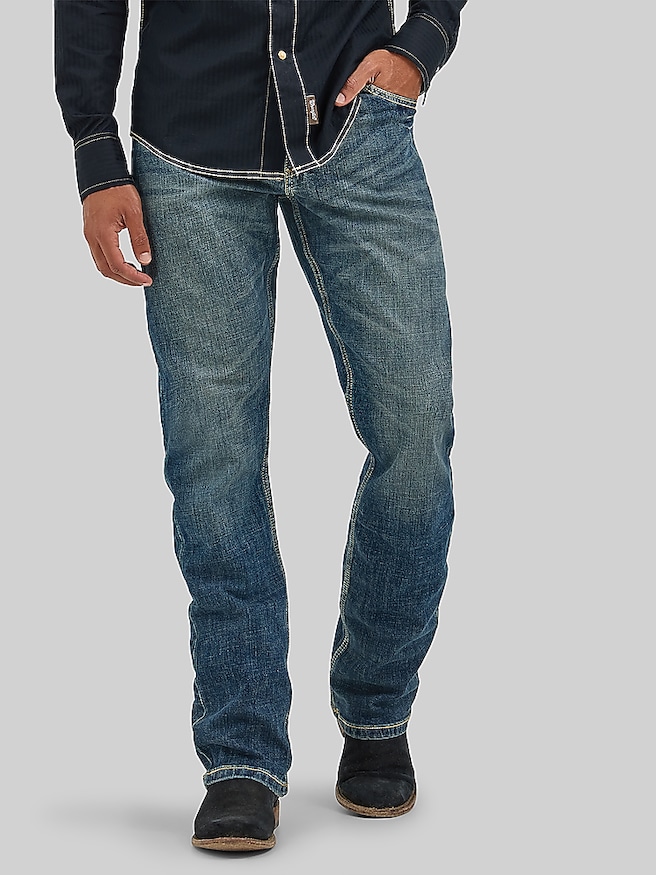
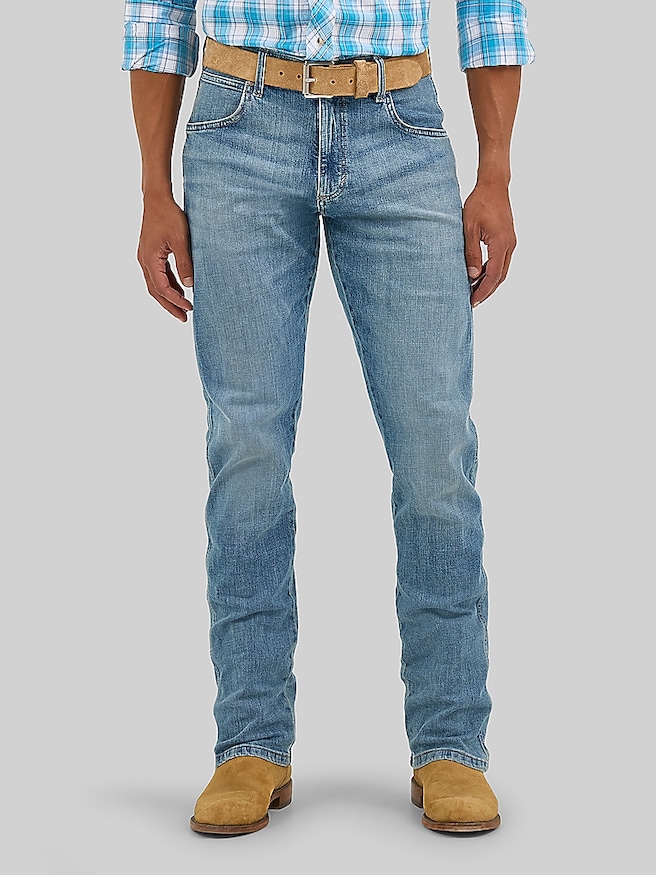
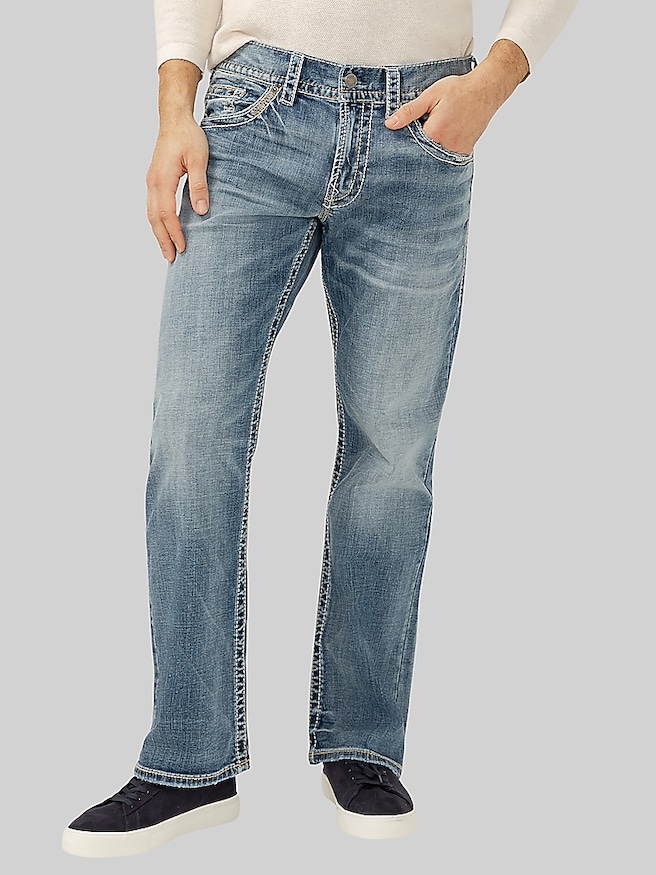
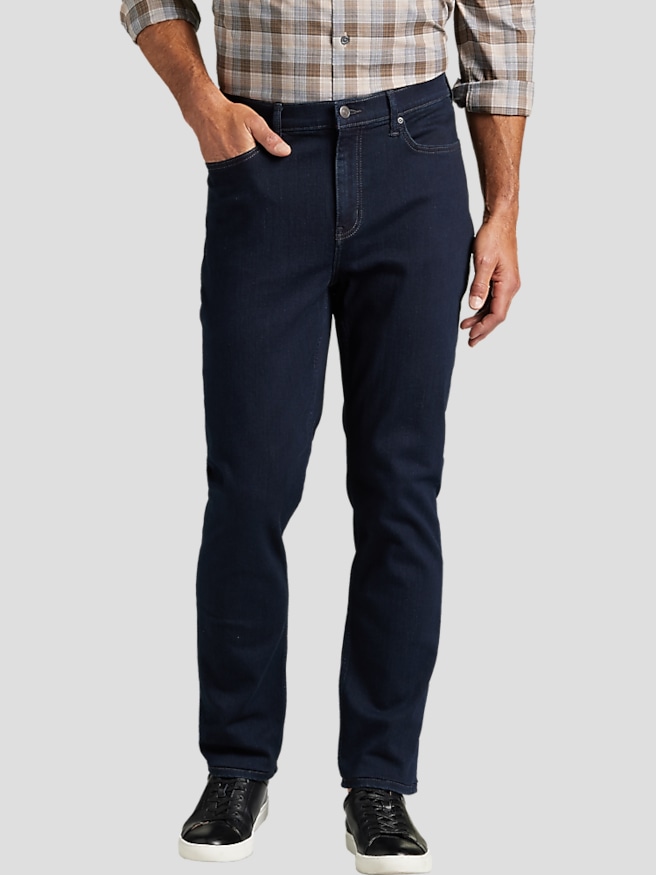
Men’s loose fit blue jeans combine the familiar look of denim with extra space through the seat, thighs, and legs. The defining feature is the cut: a roomier silhouette that allows comfortable movement without requiring an oversized waist. That distinction matters when sitting through a long lunch, climbing stairs, or spending an afternoon on foot. A well-fitting waistband should stay comfortably in place, while the fabric below it has enough ease to fall rather than pull across the body. Loose fit can be especially appealing to men with fuller thighs, anyone who prefers less contact between fabric and skin, and those who enjoy a relaxed, substantial silhouette. The exact shape can vary, with some cuts maintaining generous width toward the ankle and others narrowing slightly below the knee. Loose, relaxed, and baggy are not universally standardized fit labels, so the rise, leg opening, and measurements help explain the shape more clearly than the name alone. A loose fit also does not necessarily mean a low rise or an extra-wide hem. The rise determines where the waistband sits, influencing comfort at the waist and how the jeans look with tucked or untucked shirts. Blue washes add another layer of character. Light blue denim has a faded, easygoing appearance that works naturally with casual shirts and sneakers. Medium blue offers a familiar everyday look, while dark indigo creates a cleaner visual line that can feel more polished without losing denim’s casual character. Fading, whiskering, and distressed details make the surface more expressive; an even wash keeps attention on the silhouette. Length matters as much as width. A slight break over the shoe can complement a loose leg, but excessive fabric gathering at the ankle can obscure the shape and put the hem underfoot. The most balanced fit leaves room to move while keeping the waistband secure and the leg length suited to the shoes worn most often.
Fabric composition helps determine how men’s loose fit blue jeans feel, hold their shape, and develop character with wear. Rigid denim, often made from 100% cotton, generally has a more structured hand and can soften gradually as it is worn and washed. Its appeal lies in the substantial texture and the way creases and fading can become personal over time. Denim containing a small amount of elastane or another stretch fiber can provide additional give when bending or sitting, although the fiber blend and construction influence how well it returns to shape. A loose cut and stretch fabric serve separate purposes: the cut supplies space, while stretch allows the material itself to flex. Neither feature automatically replaces the other. Fabric weight matters, too. Heavier denim often creates a firmer silhouette, while lighter denim tends to drape more softly; weight alone, however, does not establish quality or durability. Areas that experience repeated stress, including pocket openings, belt loops, the seat, and the inseam, benefit from sound construction and secure stitching. Reinforced seams and firmly attached hardware can support everyday wear, but no denim is immune to friction or repeated abrasion. Care habits also affect longevity. The garment’s care label should take priority, particularly when the fabric includes stretch fibers or special finishing. When permitted by the label, turning jeans inside out and washing with similar colors in cold water can help reduce surface abrasion and color transfer. Dark indigo may release dye, especially early in its life, so contact with pale upholstery or light clothing deserves attention. Avoiding unnecessarily frequent washing can limit wear from repeated laundering, while stains still need appropriate treatment. High dryer heat can contribute to shrinkage and may be unsuitable for some stretch blends. Drying as directed helps protect the intended fit. Cotton denim can change dimensions after laundering, and some fabrics relax with wear, so a pair that fits comfortably should not depend on dramatic stretching to become wearable. For alterations, accounting for any expected shrinkage before finalizing the hem helps preserve the desired length.
Loose fit blue jeans work best when the rest of an outfit gives their volume a clear purpose. A simple crewneck T-shirt with a hem that finishes near the hips lets the leg shape stand out without burying the waistline. A polo or casual button-down adds definition, especially when the shirt fits neatly through the shoulders. An untucked shirt can keep the overall look easygoing, while a tucked shirt and belt make the rise and proportions more visible. A relaxed upper half can also work, provided the combination looks intentional rather than oversized in every direction. Footwear changes the effect: substantial sneakers balance a wide leg opening, and casual boots give a fuller hem a solid base. With a narrower shoe, keeping the hem from pooling helps maintain a clean line. A cuff can expose the denim’s reverse side and adjust the visual length, though a thick roll adds weight at the ankle. Dark blue jeans with minimal distressing can pair with a casual jacket for dinner or an informal gathering; workplace use depends on the dress code rather than the wash alone. Lighter and more visibly faded denim fits naturally into errands, road trips, concerts, and other casual plans where ease of movement matters. For men choosing between silhouettes, Mens Casual Slim Fit Jeans provides a useful point of comparison: slim cuts generally sit closer to the legs, while loose cuts leave more space and create a fuller outline. The choice is about preferred proportions, not simply moving up or down a waist size. As a gift, loose fit blue jeans are most practical when the recipient’s usual waist, inseam, preferred rise, and favorite wash are known. Someone who already reaches for roomy denim may appreciate a similar silhouette, but fit preferences remain personal. A secure waist, comfortable seated fit, suitable hem, and appealing blue wash give this everyday staple its lasting usefulness.