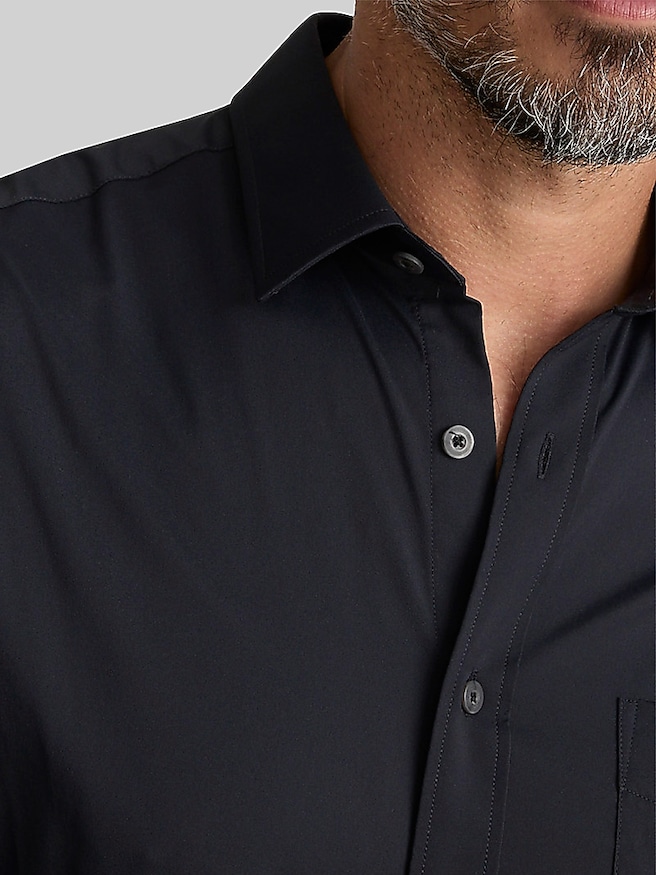
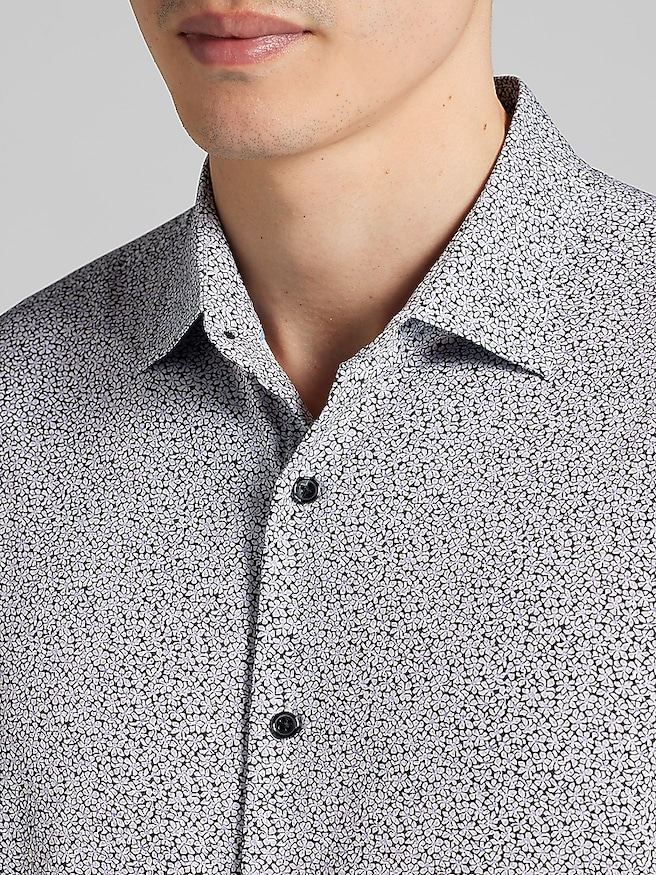
Men's long sleeve summer shirts combine lightweight comfort with the coverage and finished appearance of a full-length sleeve. Breathable cotton, linen, and blends are useful starting points, but the way a fabric is woven matters just as much as its fiber content. A loosely woven linen shirt allows air to circulate and has a dry, textured feel, while lightweight cotton poplin offers a smoother surface that works well with tailored clothing. Seersucker has a puckered texture that holds parts of the fabric away from the skin, creating small spaces for airflow. Cotton-linen blends can balance softness with an airy feel, although their weight and texture vary. Linen's natural creasing gives it a relaxed character; a crisp cotton shirt creates a cleaner, more structured impression. Neither needs to feel heavy to look put together. The most comfortable choice depends on the setting: a shaded patio lunch, a busy commute, and an outdoor wedding each place slightly different demands on a shirt. Fabric that feels pleasant in a fitting room should also allow comfortable movement through the shoulders and back, especially when worn without a jacket. Pale colors can create a light summer look, but fabric density determines how much an undershirt or waistband shows through. Holding the material toward a light source can reveal sheerness before the shirt becomes part of an outfit. Long sleeves provide additional skin coverage, though ordinary shirting should not be assumed to offer a particular level of sun protection. A labeled UPF rating is the relevant measure when verified protection is a priority. For everyday comfort, an easy fit and breathable construction help prevent the close, clingy feeling that can develop in humid conditions. Moisture-wicking or quick-drying properties depend on the fabric and its treatment rather than on a lightweight appearance alone. These distinctions make men's summer long-sleeve shirts a practical category for anyone who prefers covered arms without the bulk of heavier shirting.
Fit gives a summer shirt its shape and helps determine whether it feels comfortable through a full day. Shoulder seams should generally sit near the edge of the shoulder, with enough space across the upper back to reach forward without pulling the front buttons tight. A trim cut can look sharp, but fabric stretched across the chest or upper arms leaves little room for movement or airflow. A more relaxed cut offers ease without needing to look oversized; the collar, shoulder line, and sleeve length still provide structure. With the arms resting naturally, cuffs should sit around the wrist rather than falling over the hands. Adjustable cuff buttons can help accommodate a watch or create a neater opening, while sleeves that roll comfortably offer flexibility between an air-conditioned office and an outdoor table. A casual shirt with a shorter, gently curved hem often looks balanced untucked, whereas a longer shirttail is better suited to staying tucked into trousers. These proportions matter when choosing shirts for different occasions. A smooth, solid-colored style with a defined collar can sit neatly beneath a lightweight sport coat for a summer celebration or a business-casual appointment. A softly textured shirt worn open at the neck feels more relaxed with chinos, and a small-scale stripe or check adds interest without dominating an outfit. Linen's visible texture works naturally with casual trousers and clean leather shoes, while a finer cotton weave can complement dress trousers and a belt. An undershirt may help manage transparency or perspiration, though a heavy extra layer can reduce the benefit of a lightweight outer fabric. A close-fitting, breathable undershirt with a discreet neckline is less likely to bunch beneath the shirt. Alongside the broader range of men's summer shirts, long-sleeve styles offer a useful middle ground between casual ease and a more dressed appearance. They suit travel days, office schedules, outdoor dinners, and celebrations where a short sleeve feels too informal but a jacket is not necessary.
Care and construction have a lasting effect on how a lightweight shirt looks and feels. The care label is the best starting point because cotton, linen, blends, and performance fabrics can require different washing, drying, and pressing methods. When machine washing is permitted, avoiding an overloaded drum helps shirts move freely and rinse thoroughly. Prompt attention to perspiration around the collar and cuffs can help prevent buildup, and pretreatments should be compatible with both the fabric and its color. High dryer heat may contribute to shrinkage or make wrinkles harder to remove, so the recommended drying setting matters, particularly when the fit is already close. Removing a washable shirt promptly at the end of the cycle and smoothing the placket, collar, and cuffs can reduce the work needed before wearing it. Linen often responds well to pressing while slightly damp when the label permits ironing, though its characteristic wrinkles are part of its appeal rather than a flaw that needs to be eliminated. Synthetic blends may need lower iron temperatures, and fabric softener is unsuitable for some moisture-management finishes. For travel, folding along natural seams and unpacking on arrival can help limit deep creases; no lightweight fabric should be treated as automatically wrinkle-free. Durability also depends on details that are easy to overlook beside color and pattern. Even stitching, secure buttons, tidy buttonholes, and cleanly finished seams support repeated wear, while enough room through the body reduces strain at stress points. Collar edges and cuffs deserve attention because they receive frequent handling and laundering. A summer shirt can also make a thoughtful gift for a father, partner, graduate, or frequent traveler, especially when the choice reflects how that person actually dresses. Someone who spends weekdays in tailored trousers may appreciate a smooth fabric and a collar that sits neatly under a jacket. Someone who favors relaxed dinners and weekend trips may get more use from an easy-fitting linen blend. A familiar size, preferred fit, and manageable care routine are more meaningful than an elaborate pattern, helping the shirt become a comfortable part of an established wardrobe.