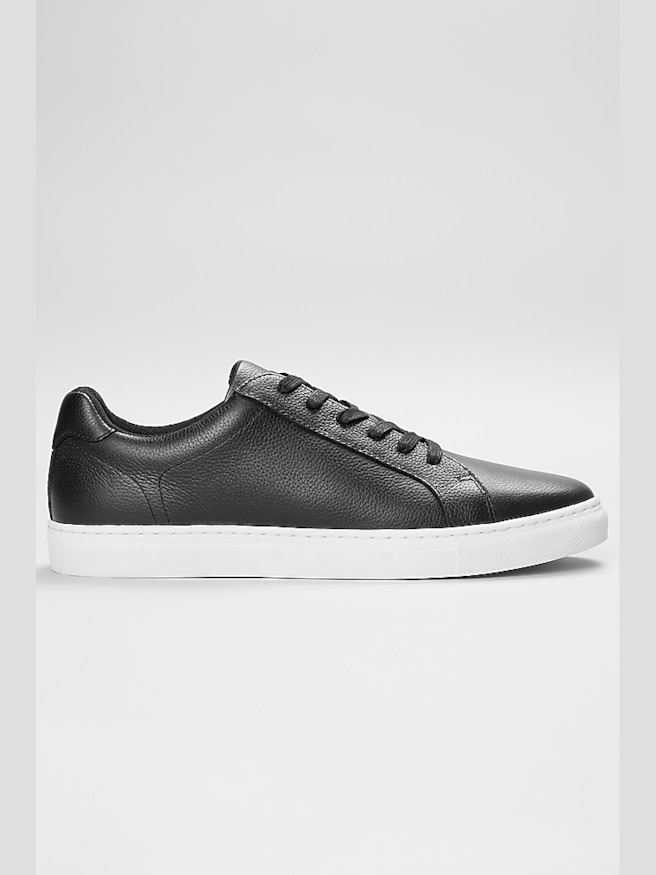
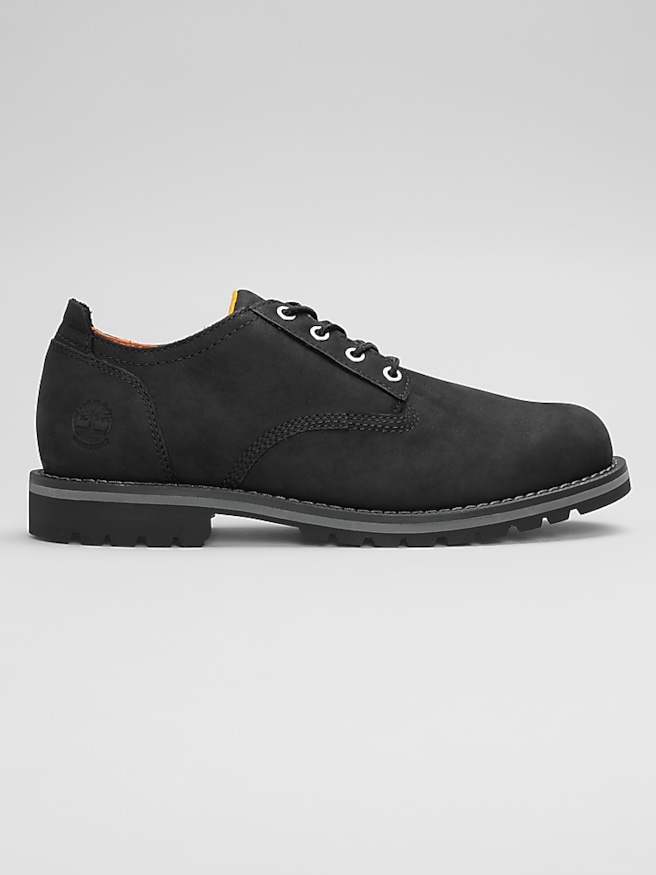
Men's lightweight boat shoes combine the familiar look of a deck shoe with an easygoing feel suited to everyday casual wear. Their appeal comes from a low-profile shape, flexible construction, and details such as moccasin-style stitching, short lace panels, and laces that wrap around the sides. Lightweight construction can make a noticeable difference when a day includes walking to lunch, standing at a backyard gathering, or packing an extra pair of shoes for a trip. The materials help determine both the feel and appearance. Leather uppers tend to have a more polished finish and can develop character with wear, while suede brings a soft, textured look that pairs naturally with casual clothing. Canvas and other woven textiles offer a relaxed appearance and may allow more airflow, depending on the weave and lining. Unlined construction can reduce bulk, while a soft lining may provide a smoother feel against the foot. None of these features alone determines how light a shoe feels; the upper, footbed, outsole, and shoe size all contribute. Underfoot, foam can provide cushioning without substantial weight, while rubber may add durability and traction in areas that contact the ground. A flexible sole can make walking feel more natural, but flexibility does not necessarily mean a shoe has the support needed for every foot or activity. For actual use aboard a boat, outsole design deserves particular attention. Fine grooves in rubber, often called siping, can help disperse water beneath the sole, while a non-marking outsole is intended to limit scuffs on deck surfaces. Non-marking and slip-resistant are separate characteristics, and neither guarantees secure footing on every surface. A deck-inspired casual shoe is not automatically technical boating footwear. The most suitable construction depends on whether the pair will spend more time on a dock, along a neighborhood sidewalk, or beneath a table at a casual restaurant.
Comfort in lightweight boat shoes depends as much on fit as it does on cushioning. A secure heel and enough room for the toes to spread create a useful starting point, especially in a low-cut shoe with a relatively open collar. The heel should not repeatedly lift out with each step, and the toes should not press into the front when walking or moving down a slope. Laces can help refine the fit across the instep, although decorative lacing may offer less adjustment than a fully functional lace system. Leather can soften and conform somewhat with use, but a painfully tight shoe should not be expected to become the correct size through wear. Textile uppers may feel forgiving immediately, yet their flexibility should not replace a stable fit. No-show socks preserve the familiar low-cut appearance while adding a washable layer between the foot and shoe; thin crew socks offer another casual styling option. Trying shoes with the socks intended for regular wear gives a more useful sense of fit. For someone who uses an orthotic, interior depth and a removable footbed can matter more than a plush first impression. Durability comes from the overall construction rather than weight alone: reinforced eyelets, tidy stitching, secure sole attachment, and sufficient material at high-wear areas all deserve attention. Care also varies by material. Smooth leather generally benefits from gentle cleaning and a compatible conditioner used according to the maker's directions. Suede calls for an appropriate brush and treatments designed for its surface, while canvas often responds to careful spot cleaning. Machine washing is suitable only when the care instructions expressly allow it. After cleaning or incidental moisture exposure, air-drying away from direct heat helps protect shape and materials. Allowing shoes to dry between wears and brushing away grit before it settles into seams can help preserve both their appearance and everyday comfort.
The understated shape of men's lightweight boat shoes makes them a natural companion to chinos, straight-leg jeans, casual shorts, and relaxed trousers. They sit between athletic sneakers and more structured leather footwear, offering a finished look without the formality of a dress shoe. With navy chinos and a knit polo, a leather pair can feel appropriate for a casual dinner or an office where relaxed footwear fits the dress code. With washed denim and an untucked button-down, the same silhouette takes on an easier weekend character. A trouser hem with little excess fabric keeps the low-cut profile visible and prevents the shoe from disappearing beneath heavy bunching. Color changes the effect as much as material: brown and tan shades tend to blend easily with earth tones, navy works well with denim and pale trousers, and lighter shades create a clearer contrast with darker clothing. For that cleaner contrast, Mens White Boat Shoes complement simple outfits built around navy, gray, or khaki. Surface texture matters, too; smooth leather looks more refined, while canvas or suede gives the same basic shape a more relaxed finish. Boat shoes are especially useful for occasions that involve casual conversation, short walks, and time spent both seated and standing, such as a family lunch, a graduation gathering, or a laid-back dinner with friends. They can also be a practical travel companion when their shape and color work with several outfits, though a dedicated walking shoe may be better for days built around long distances. As a gift, lightweight boat shoes suit someone who already enjoys loafers, casual lace-ups, or a simple wardrobe with versatile footwear. Knowing the recipient's usual size, preferred width, and comfort needs is more helpful than choosing by appearance alone. A familiar color and an upper material that matches their care habits can make the gift easier to incorporate into regular wear. Across these uses, the appeal remains straightforward: recognizable nautical styling, less bulk, and a comfortable fit that feels at home with everyday clothes.