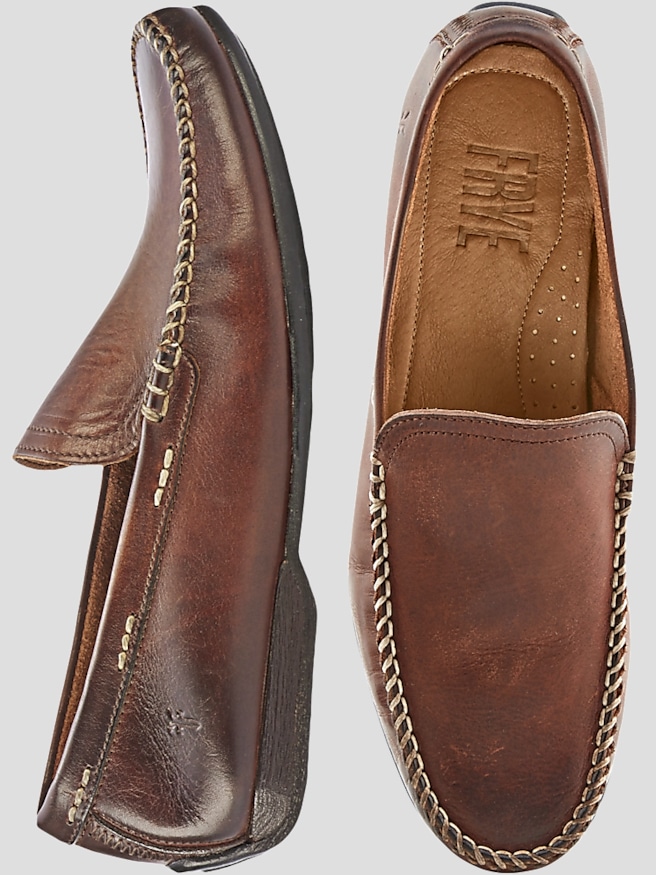
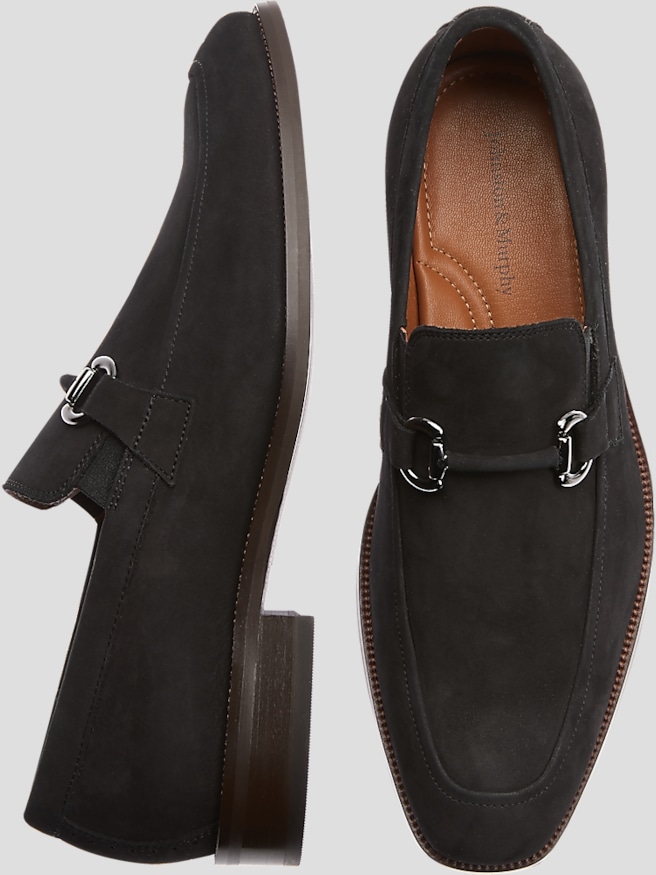
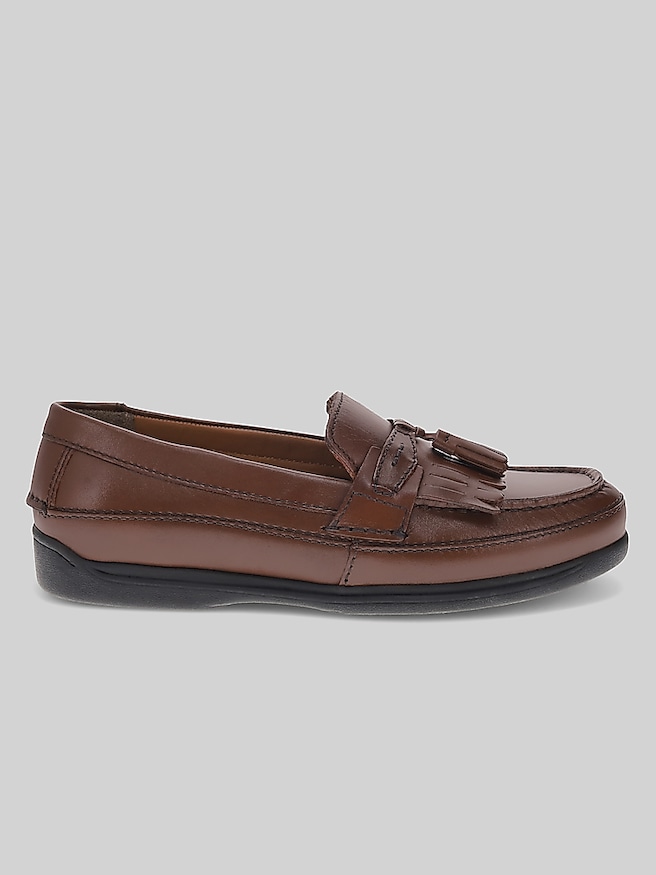
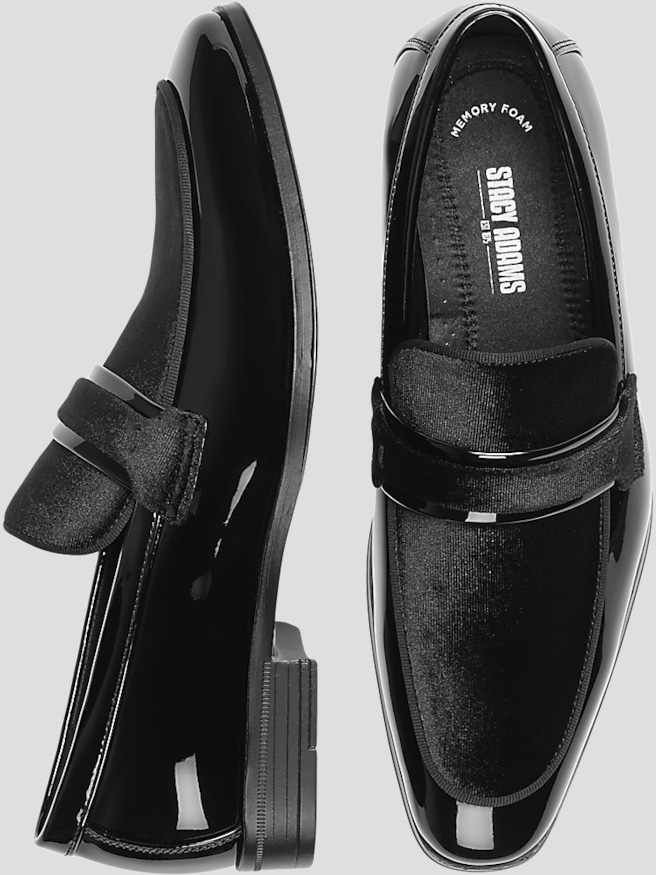
Men’s gray loafers bring a quiet, distinctive finish to an outfit, offering a neutral alternative to black or brown without making coordination complicated. The shade has considerable range: pale gray feels understated against navy chinos, medium gray bridges light and dark separates, and charcoal creates a crisp foundation for tailored trousers. Texture changes the impression just as much as color. Smooth leather tends to look sharper and more structured, while suede gives gray a softer, more dimensional appearance. A brushed surface can reveal subtle shifts in tone as the light catches it, adding interest even when the rest of an outfit is simple. Familiar loafer details offer another way to shape the look. A penny strap keeps the upper clean and classic, tassels introduce movement and a slightly dressier character, and metal hardware creates a noticeable focal point. For an office that welcomes business casual clothing, gray loafers work naturally with navy trousers, a tucked-in shirt, and a textured sport coat. For dinner, a fine-gauge knit and straight-leg dark jeans can strike a comfortable balance between relaxed and polished. The gray does not need to match every accessory exactly; repeating a similar cool tone in a belt buckle, watch, or subtle shirt pattern is often enough to make the combination feel intentional. With gray trousers, some contrast helps keep the shoes from disappearing into the outfit. Charcoal footwear beneath a lighter gray pant, for example, gives the eye a clear stopping point. Trouser length matters, too: a clean hem with little excess fabric lets the loafer’s low profile remain visible rather than buried beneath folds. Dress socks in navy, charcoal, or a restrained pattern maintain a continuous line, while well-fitting no-show socks create an exposed-ankle look without putting bare feet directly against the lining. For celebrations with a more expressive dress code, Men's Holiday Loafers offer a related direction to consider, while gray remains an adaptable foundation for everyday dressing and special occasions alike.
Because loafers slip on without laces, their fit deserves particular attention. The heel should feel secure, the instep should sit comfortably beneath the upper, and the toes should have room to rest naturally without being squeezed together. A little movement at the heel may occur in some constructions, but repeated lifting or rubbing is a reason to reassess the size or shape. Buying a pair that feels painfully tight in hopes that it will stretch can leave pressure across the widest part of the foot or along the top of the instep. Leather may soften with wear, but that does not make an unsuitable fit appropriate. Trying loafers with the socks intended for regular use gives a more useful impression than switching between thick socks and thin liners. Walking across a clean indoor surface can also reveal pressure points that are easy to miss while standing still. The best shape depends on the foot as well as the outfit: a tapered toe creates a longer visual line, while a rounder profile may suit someone who prefers a less angular appearance. Neither silhouette guarantees a particular amount of interior space, so width and toe clearance still matter. Materials inside the shoe deserve as much attention as the upper. Linings, seams, footbeds, and padding all affect how a loafer feels through a commute, several hours at a desk, or an evening spent standing and talking. A padded footbed may soften the step, but cushioning alone does not ensure adequate support for every wearer. Outsole construction influences the experience, too. Rubber can offer flexibility and traction, depending on its composition and tread, while leather soles often provide a sleek, traditional finish and may feel smoother underfoot. Someone moving frequently between office buildings may prioritize a secure heel and dependable grip; someone choosing shoes mainly for seated dinners may put greater emphasis on a slim shape. For weddings or other dressed-up gatherings, the invitation and venue should help determine whether loafers suit the expected level of formality.
Thoughtful care helps gray loafers retain both their appearance and their usefulness. Gray can show scuffs, dust, and changes in surface texture differently from darker neutrals, making gentle, consistent attention more effective than waiting for visible buildup. Smooth leather generally benefits from wiping with a soft cloth and using a conditioner appropriate to the finish, following the shoe’s care instructions. Any cream or polish should be selected carefully, since an overly dark shade can alter the color rather than simply refresh it. Testing a treatment in an inconspicuous area is especially helpful with light gray or subtly varied finishes. Suede calls for a different approach: a suitable brush can lift the nap and loosen surface dirt, while a suede eraser may help with small marks when used as directed. Conventional leather polish should not be used on suede. Protective treatments also need to be compatible with the material, and they should never be assumed to make a shoe waterproof. If loafers become damp, allowing them to dry naturally away from direct heat helps protect their shape and finish. Shoe trees sized appropriately for the footwear can help maintain the upper between wears, and a shoehorn reduces the need to crush the heel when slipping them on. Rotating footwear gives linings time to air out and reduces the repeated stress placed on a single pair. Durability depends on more than the surface material: sound stitching, secure sole attachment, and a shape that fits without excessive strain all contribute to how well loafers hold up. Repair options vary by construction, so a cobbler can assess whether heel work or resoling is practical. As a gift, gray loafers can suit someone building a versatile office wardrobe, celebrating a graduation, or refining a familiar shirt-and-trouser routine. Knowing the recipient’s usual size, width, and preferred silhouette makes the choice more personal and useful. The strongest match combines an appealing shade with comfortable proportions and care requirements that fit the wearer’s habits, creating footwear that feels considered rather than reserved for a single outfit.