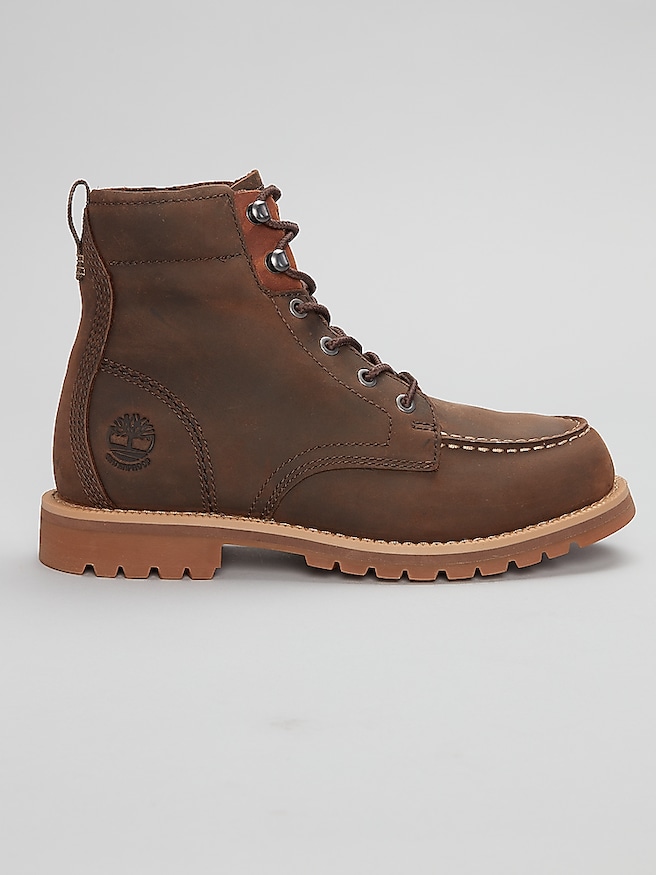
Men’s gray leather boots offer a neutral alternative to black and brown footwear, with enough depth to anchor an outfit without making it feel heavy. The shade matters: pale gray creates a noticeable contrast against dark denim, medium gray sits comfortably alongside navy and olive, and charcoal gives tailored clothing a quiet, polished finish. Gray also works well with burgundy, cream, and black, making these boots useful for someone whose wardrobe moves between jeans, chinos, and dress trousers. A smooth leather upper and a slim sole generally lean dressier, while a matte finish, visible stitching, and a substantial tread give the same color a more casual character. Lace-up boots allow adjustment across the instep and can complement everything from straight-leg denim to textured trousers. Chelsea boots have a cleaner outline, with elastic side panels that keep the upper free of laces, while side-zip designs offer another streamlined silhouette. For an office with a relaxed dress code, charcoal leather boots beneath navy trousers can feel put together without the formality of traditional dress shoes. For dinner or a casual gathering, medium-gray boots with dark jeans and a fine-gauge knit create a balanced combination that needs little extra styling. Trouser length makes a difference here: a hem that meets the top of the boot neatly keeps the line clean, while excessive fabric bunching can overwhelm a narrow shaft. Slimmer boot shapes usually sit more easily beneath tapered pants; broader toes and thicker soles tend to look more proportionate with straight cuts. Matching every leather accessory exactly is unnecessary. A belt with a similar level of polish and a compatible neutral tone usually looks more natural than forcing an exact gray match. The appeal of gray leather footwear is that small changes in finish and shape can shift its character, giving a familiar outfit a distinct point of view without introducing a difficult color to coordinate.
Leather type and construction influence how gray boots look, feel, and age. Full-grain leather retains the hide’s natural surface, including subtle markings, and can develop visible character through wear. Top-grain leather has been refined at the surface for a more uniform appearance; its performance still depends on the quality of the hide, finish, and construction. Neither label alone tells the whole story. Smooth leather often looks crisp with tailored separates and is generally easier to wipe clean than a textured nap. Suede has a soft, brushed surface that gives gray a muted appearance, while nubuck is lightly buffed on the grain side for a fine, velvety texture. These materials need care suited to their particular finish rather than a single treatment for every leather boot. Color treatments matter, too. An evenly dyed charcoal upper reads differently from a burnished toe or a deliberately distressed finish, and each will show creases and scuffs in its own way. Creasing across the forefoot is a normal part of leather flexing, not automatically a sign of poor quality. For everyday use, examine practical details such as even stitching, securely finished edges, and a lining that feels smooth around the heel. A rubber outsole can provide cushioning and grip, though traction varies with the tread and surface. Leather outsoles often have a slimmer, dressier profile and a distinct underfoot feel. Some welted constructions may allow resoling, but repair options depend on the individual boot and should be confirmed rather than assumed. Anyone comparing the broader qualities of men’s premium leather boots can apply those same considerations to gray styles: sound construction, suitable materials, and a shape that fits the intended wardrobe. A substantial-looking boot is not necessarily protective work footwear, and a leather upper does not by itself establish safety performance. For workplace hazards or specialized use, the stated specifications matter more than the ruggedness of the design.
A good fit should feel secure without relying on tightness to hold the foot in place. Toes need room to rest naturally, the widest part of the foot should align with the widest part of the boot, and the instep should feel supported rather than compressed. Try boots with the socks intended for regular wear, and assess both feet while standing and walking. Pay attention to pressure at the little toe, rubbing near the ankle, and movement at the heel. A small amount of heel movement can occur in some new boots, but pronounced slipping or persistent friction deserves closer attention to size, width, or shape. Leather may soften and give slightly with use; it should not be expected to gain meaningful length or correct a painful fit. Lace-up styles offer more control over volume, while Chelsea and zip boots depend more heavily on how closely their shape suits the foot. For someone who spends much of the day walking between appointments or standing at gatherings, underfoot cushioning, flexibility, and a stable heel can matter as much as appearance. If an orthotic is part of the routine, confirm that the boot has adequate depth and, when needed, a removable footbed. Regular care helps preserve both the gray color and the leather’s surface. Remove loose dirt gently, then follow the maker’s instructions for cleaning and conditioning the specific material. Smooth leather may benefit from a compatible conditioner applied sparingly, while suede and nubuck usually need a dedicated brush and appropriate specialty products. Test any treatment in an inconspicuous area, since even colorless formulas can darken pale gray leather. Let damp boots dry naturally away from direct heat, and use properly sized shoe trees to help maintain their shape between wears. Rotating footwear gives the interior time to dry, while attention to worn heels can prevent uneven wear from progressing. As a gift, gray leather boots make the most sense when the recipient’s size, preferred silhouette, and everyday wardrobe are already familiar. A comfortable shape and a useful finish will matter far longer than an eye-catching detail.