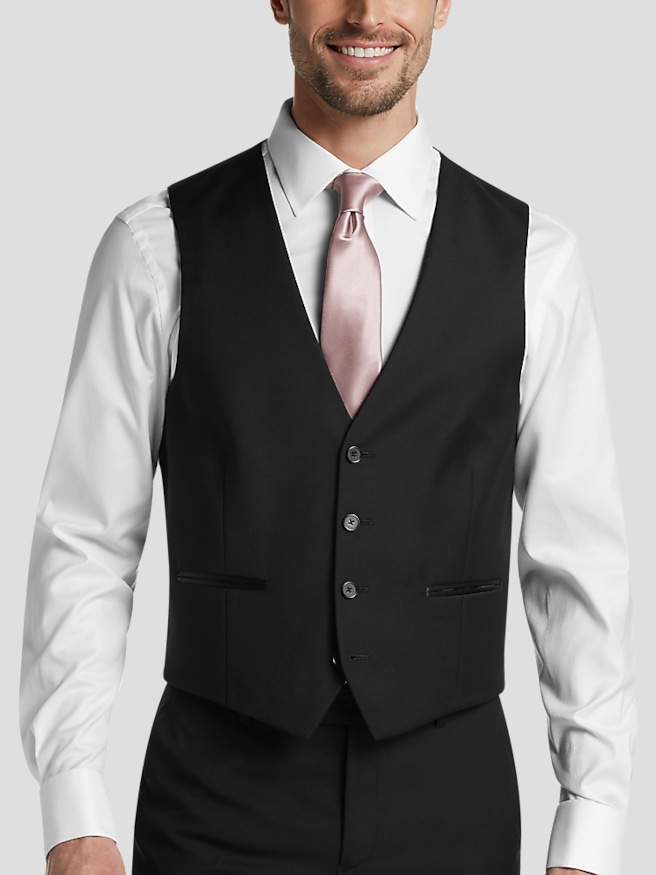
Men's formal dance outfits typically center on a tuxedo for a black-tie event or a tailored suit for a dance with a less restrictive dress code. The invitation sets the level of formality: prom may call for a traditional tuxedo, while homecoming and other school dances may allow a dark suit or a blazer with dress trousers. A black or midnight-blue tuxedo creates a distinctly formal silhouette, especially with satin lapels, a white formal shirt, a bow tie, and polished dress shoes. A navy or charcoal suit offers a slightly more understated look that can move comfortably from posed photographs to dinner and a crowded dance floor. Neither approach needs excessive decoration to feel memorable. Clean lines, balanced proportions, and a few thoughtful accents give the outfit its character. A shawl collar creates a smooth, rounded frame at the chest, while peak lapels add a sharper, more pronounced outline. On a suit, notch lapels offer a familiar finish that works well beyond the dance itself. Looks associated with Men's Homecoming Dance Outfits often leave more room for patterned ties, textured jackets, and coordinated separates, provided the event's dress code allows them. Color can be equally personal without overwhelming the outfit. A deep burgundy tie against a white shirt, a subtle woven pattern, or a pocket square with a small accent color can create a connection to a companion's look without requiring an exact match. For a first formal dance, familiar colors and simple combinations can make dressing up feel more natural. For someone who attends formal events regularly, distinctive lapels or a restrained tonal combination can provide variety while preserving the occasion's polished character. The strongest outfits look cohesive in photographs, feel appropriate in the room, and remain comfortable after the jacket has been buttoned and unbuttoned throughout the evening.
Fabric and fit make a noticeable difference when an outfit needs to handle hours of sitting, standing, and dancing. Wool and wool-blend suiting can offer an appealing combination of drape, breathability, and resilience, helping a jacket hang cleanly without looking stiff. Performance blends may include stretch for easier movement, although the fiber content, lining, and overall construction all influence how a garment feels. A smooth fabric with a restrained finish tends to look more formal than a heavily textured weave, while satin trim adds the visual contrast associated with a tuxedo. Cotton dress shirts provide a crisp foundation, and easy-care blends may help reduce wrinkling through a long event. A shirt should sit neatly beneath the jacket without bunching at the waist or pulling across the chest. At the shoulders, the jacket should follow the natural shoulder line rather than extending noticeably beyond it or pinching when the arms move forward. The lapels should lie flat, and the front should close without pronounced pulling around the button. Slim, tailored, and classic fits describe broad silhouettes rather than a guarantee of comfort; the right choice depends on body proportions and the amount of room needed through the chest, seat, and thighs. A fitted appearance does not require tight clothing. Enough ease to sit through dinner, reach for a glass, and move across the dance floor keeps the outfit looking composed in real situations. Trouser length matters just as much: a clean hem with a slight break or little break creates a deliberate finish, while excess fabric can collect over the shoes. Shirt cuffs should extend slightly beyond the jacket sleeves, creating a small, consistent border at the wrist. These proportions help formal clothing feel considered rather than borrowed, particularly for students wearing a suit or tuxedo for the first time. Well-fitted separates can also provide flexibility when a single matching size does not accommodate both the jacket and trousers comfortably.
Accessories complete formal dance clothing without needing to compete with the tailoring. A bow tie is the traditional partner for a tuxedo, while a long tie is a familiar choice with a suit. A formal shirt may have a covered placket or a front designed for studs; the shirt and accessories should work together rather than mix incompatible details. A pocket square can echo a color in the tie without repeating the exact fabric or pattern. If a boutonniere is part of the occasion, keeping nearby accessories restrained lets the flowers remain a clear focal point. Shoes should match the outfit's level of formality and feel secure through an evening of movement. Sleek black dress shoes complement traditional black-tie dressing, while polished lace-ups can finish a suit with a clean, grounded appearance. A comfortable heel, a supportive fit, and a sole suited to an indoor venue matter more than an elaborate design. Socks that coordinate with the trousers maintain a continuous line when seated, and a secure waistband helps keep the shirt neatly tucked. Small construction details also contribute to durability: even stitching, smooth-operating closures, and securely attached buttons help clothing withstand repeated wear. After the dance, following each garment's care label protects its shape and finish. A jacket benefits from a supportive hanger and time to air out before storage, while trousers retain a cleaner line when hung carefully rather than folded into a crowded drawer. Professional cleaning should follow the fabric's requirements, and decorative trim deserves particular care when pressing. Dress shoes can be wiped clean and stored with support to help maintain their shape. With thoughtful care and a versatile silhouette, formal dance attire can serve beyond one evening, making the same suit appropriate for another celebration, an awards ceremony, or a future dressy occasion with a change of shirt and accessories.