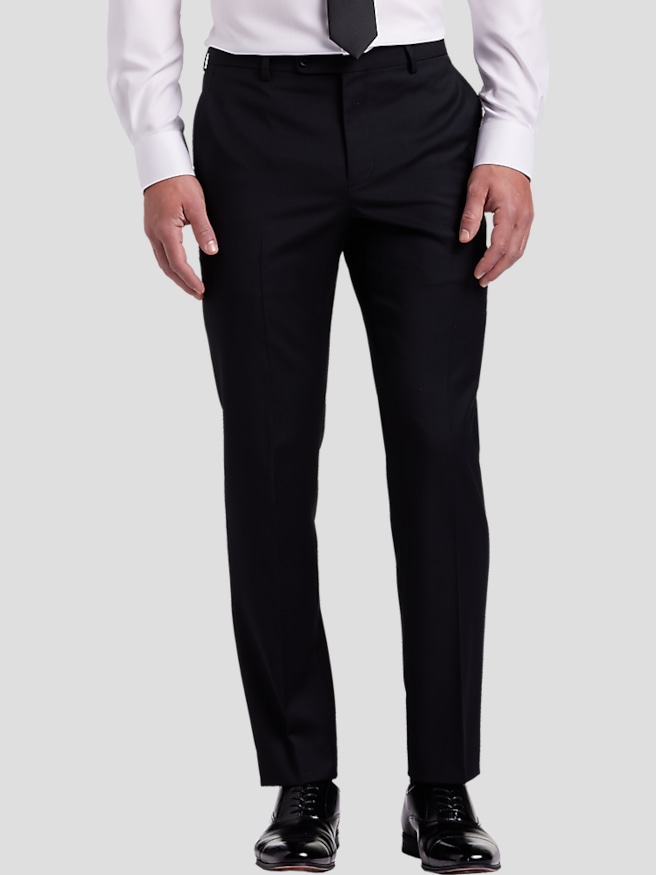
Men’s fine-wale corduroy pants combine the soft, raised texture of corduroy with narrow, closely spaced ribs for a more understated look than wide-wale styles. A wale is one of the vertical ridges in the fabric, and the wale count describes how many ridges appear within an inch. Fine-wale corduroy often has approximately 14 to 21 wales per inch, although terminology varies by maker. Those smaller ribs give the surface a subtle texture that can look almost smooth from a distance, then reveal its character up close. The result sits comfortably between everyday chinos and more tailored trousers: relaxed enough for a casual dinner, yet polished enough for many business-casual settings. Corduroy is a cut-pile fabric, with raised fibers that create its distinctive touch and catch light along the leg. That texture gives even a simple outfit depth without requiring a bold pattern. Cotton and cotton-rich blends are common, bringing a familiar softness and substantial feel. Some fabrics include a small amount of spandex or elastane to allow additional movement, while others rely on the cut of the garment for ease. Stretch content, fabric weight, and construction all affect how a pair feels; a fine wale describes the size of the ribs, not necessarily a lightweight fabric or a stretchy one. A tightly woven pair can feel structured, while a softer finish can create a more relaxed drape. Color also changes the impression. Deep navy, charcoal, and brown tend to emphasize the fabric’s understated side, while tan and other lighter neutrals make the ribbed surface more noticeable. These are pants with enough visual interest to stand alongside simple shirts and knitwear, rather than needing an elaborate outfit around them. For someone who likes the practicality of chinos but wants a different texture, fine-wale corduroy offers a familiar silhouette with a distinctive finish. Its appeal comes from that balance of recognizable tailoring and a surface that feels less flat than smooth twill.
Fit determines whether fine-wale corduroy pants read as easygoing or tailored. A straight leg leaves a consistent line from the thigh toward the hem, while a slim fit follows the leg more closely without necessarily fitting tightly. A tapered cut provides more room through the upper leg before narrowing toward the ankle. These distinctions matter more than the fit name alone, since two pairs with the same label can have noticeably different proportions. Comfortable room through the seat and thighs helps the ribs lie cleanly instead of pulling across the body, and the waistband should feel secure without digging in when seated. Rise affects where the waistband rests and how a tucked shirt looks, while inseam and leg opening determine how the hem meets a shoe. A slight break over loafers gives the pants a traditional trouser finish; a cleaner hem above simple sneakers creates a more casual line. Excess fabric pooling at the ankle can obscure the narrow ribbing and make an otherwise neat fit look bulky. Construction details also influence the overall character. Five-pocket styling brings corduroy closer to the familiar feel of jeans, whereas angled front pockets and welt back pockets create a dressier impression. Neither approach changes the fabric itself, but each suggests a different way of wearing it. A tucked Oxford shirt and leather belt suit an office with a business-casual dress code, while a knit polo or plain crewneck keeps the same texture relaxed for a restaurant dinner or an afternoon gathering. A softly structured jacket can add polish without making the outfit look like a matched suit. Because corduroy already has a visible surface, smooth cotton shirts and fine-gauge knits offer a useful contrast. Pairing several pronounced textures can work, but quieter companion pieces let the narrow ribs remain the main detail. Fine-wale corduroy is best understood as a versatile casual-to-smart-casual fabric, not an automatic substitute for formal trousers when an occasion calls for a suit.
Everyday comfort depends on both the fabric and the way the pants are worn. Someone who spends time seated at a desk, drives frequently, or moves between meetings may appreciate a little stretch through the hips and knees. For a related option, men’s stretch corduroy pants place the emphasis on flexibility, although fine-wale construction and stretch are separate characteristics that can occur together. A well-proportioned non-stretch pair can also feel comfortable when it provides adequate room for normal movement. With either fabric, care helps preserve the raised pile and the clean appearance of the ribs. The garment’s care label remains the starting point because fiber blends, dyes, and finishes can require different treatment. For machine-washable styles, turning the pants inside out and using the recommended cycle can reduce surface friction; washing with similarly colored garments helps limit unwanted dye transfer. Excessive heat can affect shrinkage and stretch fibers, so drying instructions deserve the same attention as washing instructions. Corduroy’s pile can flatten under direct pressure, making careful pressing important. When the care label permits ironing, working from the reverse side with a suitable protective surface helps avoid crushing the texture or creating shiny areas. Gentle brushing along the nap can help lift lint and refresh the surface between cleanings. Repeated abrasion at the knees, seat, and pocket edges can gradually change the appearance, making adequate fit and considerate laundering useful for long-term wear. Smooth closures, secure stitching, and neatly finished seams also contribute to how well pants hold up. As a gift, fine-wale corduroy makes sense for someone who regularly wears chinos, enjoys textured fabrics, or prefers clothing that moves easily between work and personal plans. A familiar waist size, inseam, and preferred leg shape provide a better starting point than guessing from appearance alone. The most useful pair is one that complements an established wardrobe, feels comfortable through an ordinary day, and brings subtle texture to outfits that already feel natural.