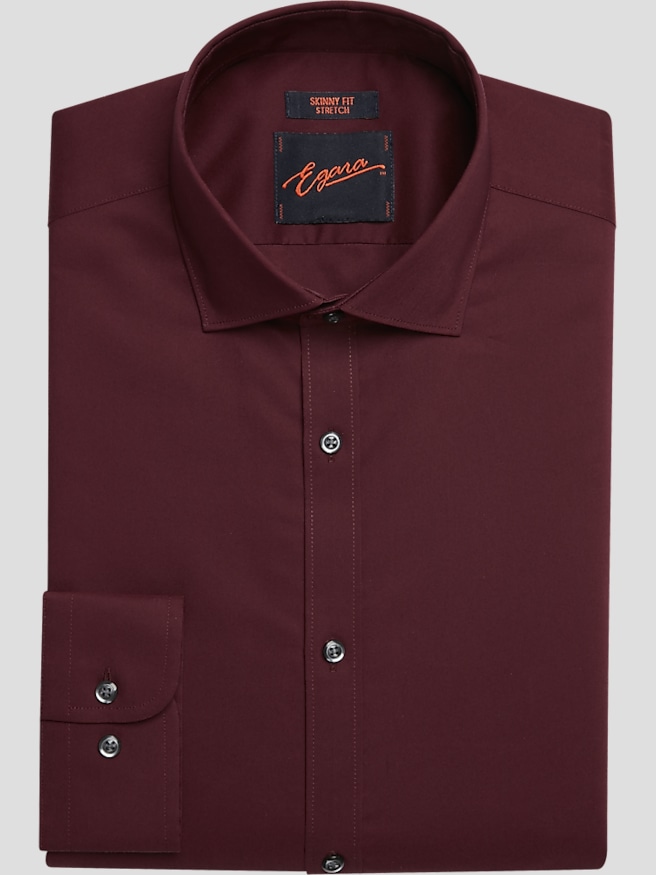
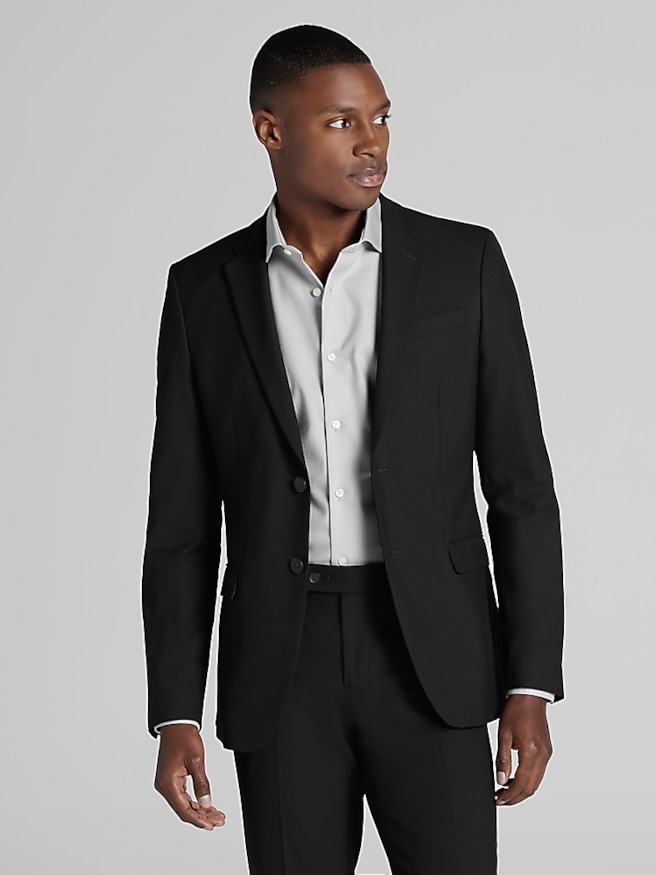
Men’s fall portrait outfits combine rich colors, tactile fabrics, and a comfortable, well-defined fit that keeps the focus on the person in the photograph. Earth tones such as chocolate brown, rust, olive, and khaki complement autumn landscapes, while navy, charcoal, burgundy, and cream offer contrast without overwhelming the frame. Wool, brushed cotton, corduroy, and textured knits bring depth to an outfit through their surfaces rather than oversized graphics or busy patterns. The setting helps establish the right level of polish: a suit lends structure to an engagement portrait outside a historic building, while a sweater over a collared shirt feels at home along a wooded path. For family photographs on a front porch, chinos and a softly structured sport coat can feel dressed up without looking ceremonial. Color works best in relation to the background and the other people in the photograph. Olive against dense green foliage creates a quieter effect than cream or burgundy, while a brown jacket against pale stone allows its shape and texture to stand out. Coordinating a few related shades across a group usually looks more natural than repeating an identical outfit on everyone. A navy jacket, tan trousers, and an ivory knit can share a palette with other outfits without becoming a uniform. Solid colors and larger, understated patterns are often dependable choices for photography; very fine stripes and tightly spaced checks can sometimes create visual interference on camera. Neon shades, prominent lettering, and highly reflective finishes may draw attention away from facial expressions. White shirts are not automatically out of place, either: beneath a darker jacket, a white collar provides a crisp frame near the face. The overall impression comes from balance, with enough contrast to define the outfit and enough restraint to let the expression, posture, and surrounding landscape remain part of the picture. That balance also helps an outfit feel personal rather than assembled solely for a photograph.
Fabric and construction shape both the appearance and the experience of wearing fall portrait clothing. Wool suiting offers drape and a lightly textured surface, with fabric weight influencing how structured or fluid a jacket feels. Tweed has a more pronounced character that suits rustic architecture and open landscapes, while finer wool can move easily between outdoor portraits and a studio setting. Cotton shirts provide a familiar foundation beneath tailoring or knitwear; brushed finishes have a softer appearance, while smooth poplin creates a cleaner contrast against a textured jacket. Corduroy adds visible depth through its raised ribs, particularly in trousers or an overshirt, and works well when the rest of the outfit stays relatively simple. A chunky sweater brings a substantial silhouette, whereas a finer-gauge knit layers more smoothly beneath a sport coat. Fiber content matters as much as surface texture: some blends improve resilience or ease of care, but the care label remains the best source for handling a garment. Fit is especially noticeable in seated portraits, close crops, and candid walking shots. Jacket shoulders should lie smoothly without extending well beyond the natural shoulder, and the collar should sit neatly rather than pull away from the neck. A shirt needs enough room through the chest and upper arms for an easy embrace or a hand resting comfortably in a pocket. Trousers should allow sitting and bending without excessive strain across the lap, while a controlled hem keeps fabric from pooling over the shoes. Layering changes those proportions, so a jacket worn over a sweater needs room for that additional thickness. Excess bulk at the waist or under the arms can make even a well-coordinated outfit appear awkward. Comfortable clothing also supports more natural expressions: a scratchy neckline, tight waistband, or stiff sleeve becomes harder to ignore over a longer session. Smooth linings, secure buttons, and neatly finished seams contribute to comfort and help garments stand up to repeated wear beyond the photograph.
The most useful men’s fall portrait outfits have a life beyond one session. A softly textured jacket can move from anniversary photographs to dinner, and versatile trousers can support professional headshots, family gatherings, or an engagement celebration with a change of shirt and shoes. A senior portrait may call for a relaxed knit and dark denim that reflect everyday style, while a business portrait often benefits from a more defined collar and understated tailoring. Full-length photographs make footwear part of the composition, so clean leather shoes or boots with a balanced profile can complete the look without taking attention from the face. Belts, socks, and accessories work best as supporting details; a simple watch or a pocket square with a muted pattern can add personality without crowding the outfit. For occasions that continue after the camera is put away, Men's Fall Party Outfits offers a related direction for seasonal dressing with a more celebratory feel. Keeping portrait clothing in good condition starts with care suited to its fabric and construction. Knits generally hold their shape better folded than suspended from hangers, and tailored jackets benefit from supportive hangers and space in the closet. Washing and drying instructions vary, particularly for wool, lined garments, and blended fabrics. Appropriate pressing or steaming, when permitted by the care label, helps remove distracting wrinkles without damaging the surface. A lint brush can lift visible fibers and pet hair before close-up photographs, while prompt attention to loose threads and buttons helps preserve a finished appearance. Durable fabrics and thoughtful maintenance make these clothes practical for repeated occasions rather than a single afternoon. As gifts, adaptable layers such as sweaters and versatile shirts can suit someone preparing for graduation portraits, an anniversary session, or a new professional profile. Familiarity with the recipient’s measurements, preferred textures, and usual level of formality makes the choice more personal. The lasting appeal is clothing that feels recognizable to the wearer, looks composed on camera, and remains comfortable enough for the moments between posed photographs.