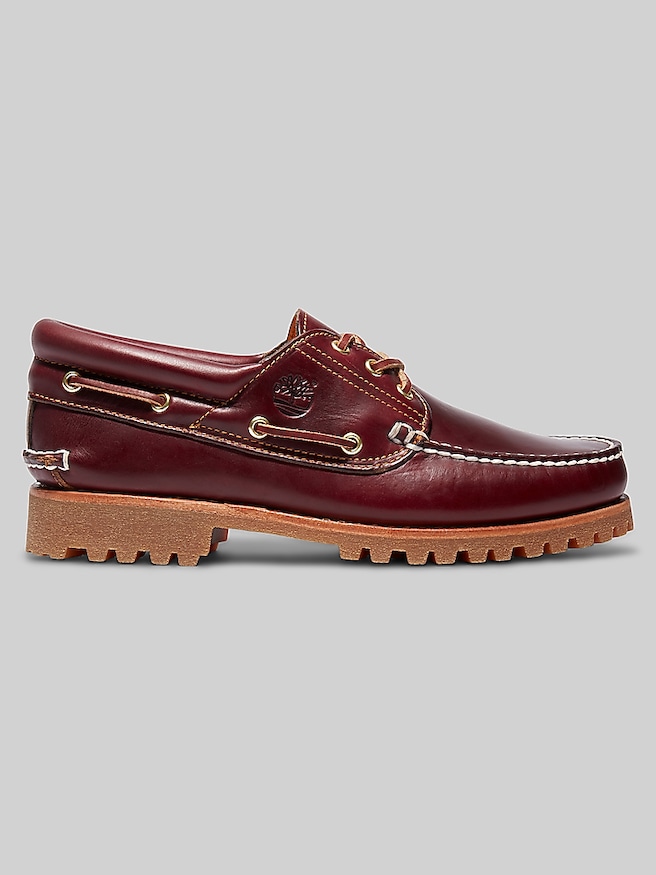
Men’s fall footwear brings together substantial textures, versatile colors, and practical construction for everything from a weekday commute to a dinner that calls for a sharper finish. Leather boots, suede chukkas, lace-up dress shoes, loafers, and understated sneakers each serve a different purpose, with the right choice depending on the setting, the forecast, and how much walking the day involves. Chelsea boots have a clean profile, elastic side panels, and an ankle-high shape that works particularly well beneath straight or tapered pants. Smooth black leather can complement charcoal trousers and a tailored coat, while brown leather adds warmth to dark denim, corduroy, and olive chinos. Chukka boots typically have a lower ankle height and a simple lace-up design, making them a relaxed alternative to more structured dress footwear. Suede lends these silhouettes a soft, textured appearance that pairs naturally with brushed cotton shirts, knitwear, and casual jackets. For an office or an autumn wedding, oxfords offer a neat, closed-lacing profile, while derbies have open lacing that can make the fit easier to adjust over the top of the foot. Loafers suit indoor gatherings and drier days, particularly with wool trousers or dark, clean-cut jeans. Low-profile leather or suede sneakers bring a more casual finish without the visual bulk of athletic footwear. Chocolate brown, cognac, burgundy, black, and deep gray are useful fall footwear colors because they sit comfortably alongside heavier fabrics and muted clothing. A darker shoe also creates a continuous line beneath navy or charcoal pants, while a lighter brown introduces contrast. Texture matters as much as color: smooth leather can sharpen a relaxed outfit, and a suede finish can soften the formality of tailored separates. These distinctions make footwear useful beyond a single occasion, whether the day includes a presentation, a neighborhood restaurant, or a family gathering. The most versatile pair is often one that matches the clothing already worn most frequently, rather than one chosen for an occasion that rarely comes around.
Materials and fit determine how men’s fall shoes feel after several hours, not just how they look beside the rest of an outfit. Leather can gradually conform to the foot, but a new pair should still feel secure and comfortable without painful pressure across the toes or instep. Suede has a flexible feel and distinctive nap, although untreated suede needs protection from moisture and is better suited to dry conditions than persistent rain. Water resistance comes from the complete construction, including treated uppers, seams, and any protective membrane; a leather exterior alone does not make a shoe waterproof. Rubber outsoles can offer useful grip and cushioning for pavement, while deeper tread may be helpful on uneven paths. Neither a rugged appearance nor a thick sole guarantees traction on wet leaves, slick tile, or ice, so the outsole’s intended use matters. Leather soles provide a traditional dress finish but generally need more caution on wet surfaces. For someone walking from a train platform to an office, a flexible forefoot, stable heel, and outsole suited to damp pavement may matter more than decorative stitching. For a mostly indoor workday, a sleeker profile may be the priority. Fit should be checked with the socks intended for regular wear, especially when moving between thin dress socks and thicker wool blends. Toes need space to move without the foot sliding forward, and the widest part of the foot should align comfortably with the widest part of the shoe. Laces allow adjustment across the instep; pull-on boots depend more heavily on the shape of the opening and heel fit. Noticeable squeezing, numbness, or repeated rubbing is not something to dismiss as a normal break-in period. Removable insoles can be useful for people who wear orthotics, provided the shoe has enough interior depth. Heavier boots may feel reassuring underfoot, but lighter construction can be more comfortable for long days with frequent walking. Warmth also varies with lining, sock choice, and activity level, so an unlined ankle boot and an insulated outdoor boot should not be treated as interchangeable.
Well-chosen men’s shoes for fall should also suit the amount of care their owner is prepared to give them. Smooth leather benefits from having surface dirt removed with a soft brush or cloth, followed by an appropriate conditioner when the material begins to feel dry. Polish can restore color and finish to suitable dress leather, but care products should match the material and be tested on an inconspicuous area first. Suede needs a different approach: a dedicated suede brush helps lift the nap and loosen dry dirt without coating the surface in products intended for smooth leather. Protective sprays may help resist light moisture and staining when approved for the material, but they do not turn an everyday shoe into waterproof footwear. After a wet commute, footwear should dry naturally away from radiators and other direct heat, which can stiffen leather or affect adhesives. Removing insoles when appropriate and allowing the interior to dry fully can help keep shoes comfortable between wears. Cedar shoe trees can help absorb residual moisture and support the shape of suitable leather footwear; rotating pairs also gives each one time to air out. Fall walks can leave grit around the welt and tread, so those less visible areas deserve attention along with the uppers. Durability depends on more than leather thickness: sound stitching, secure sole attachment, sturdy heel construction, and proper fit all contribute to everyday performance. Some constructions can be resoled by a qualified cobbler, while others are not designed for that repair. For a gift, footwear is most successful when the recipient’s size, width, preferred silhouette, and daily routine are already known. A father who wears tailored trousers to work may appreciate a different style than a partner who spends weekends in jeans or a son building a first office wardrobe. Comfort, familiar proportions, and compatibility with existing clothing help make fall footwear something that earns regular wear rather than waiting in the closet for the perfect outfit.