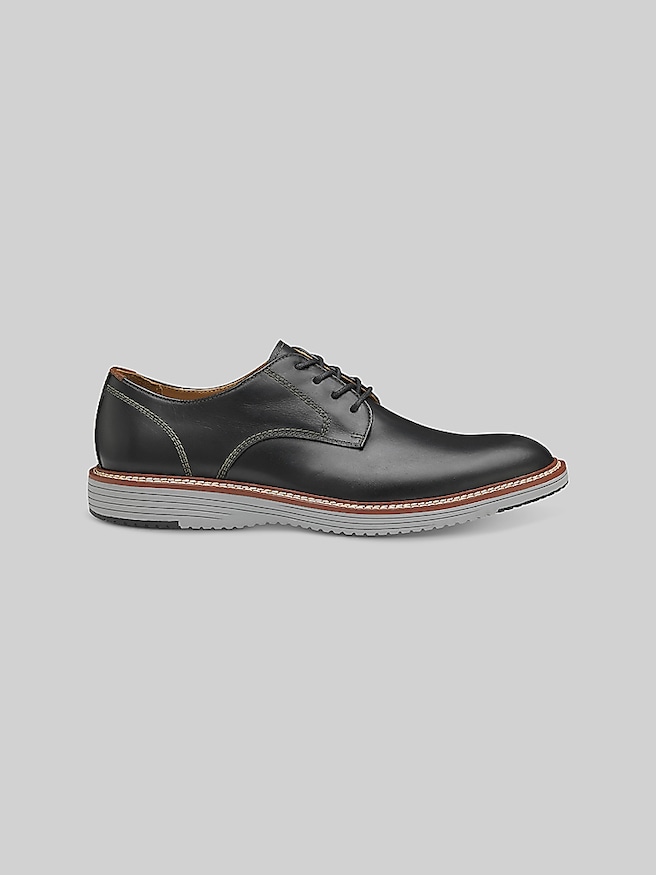
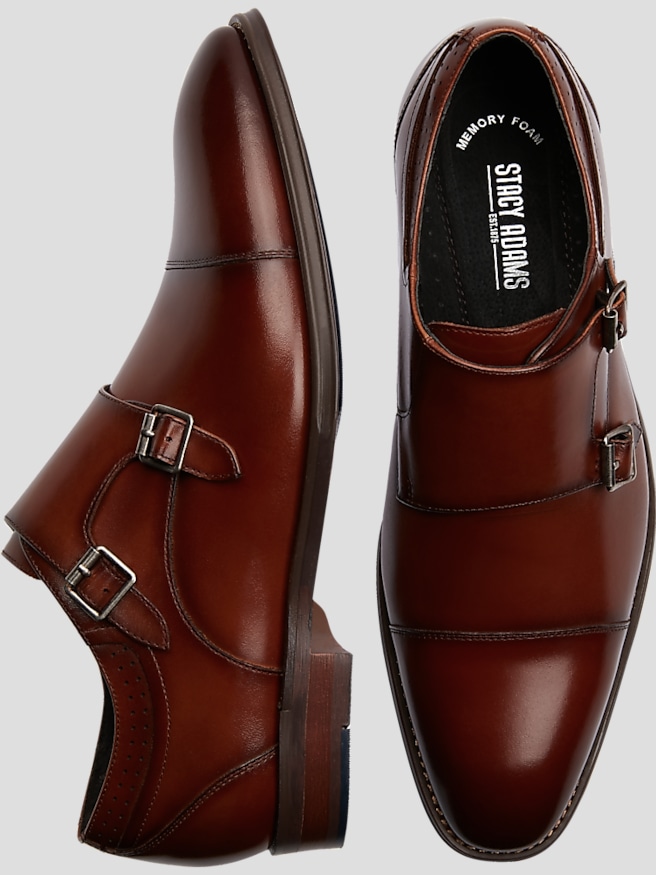
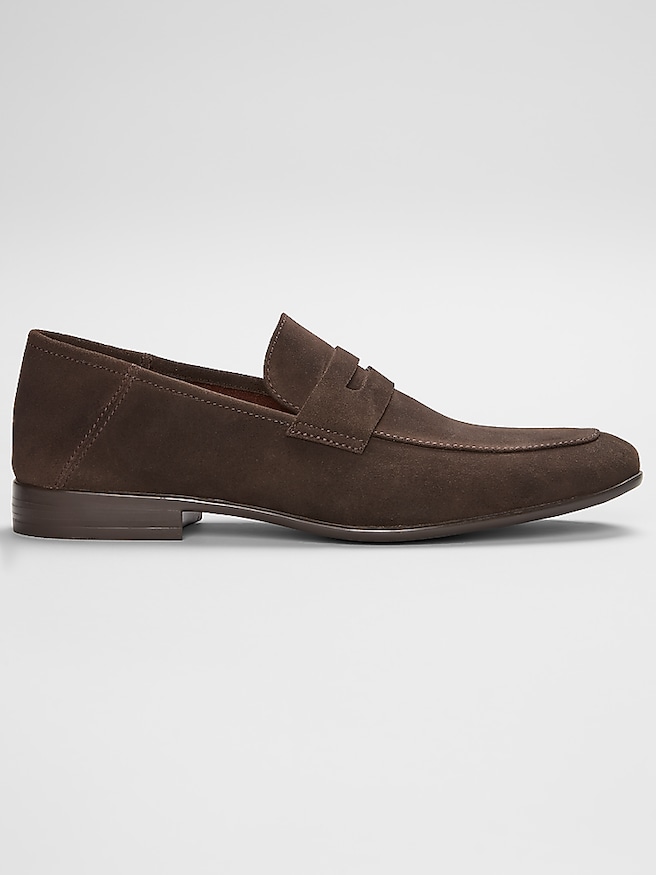
Men’s evening shoes for Valentine’s Day range from polished leather oxfords and glossy patent dress shoes to velvet loafers with a softer, more expressive finish. The right style depends on the evening: a candlelit dinner, a theater performance, a cocktail gathering, or a formal celebration each calls for a slightly distinct balance of polish and personality. Oxfords have closed lacing that creates a neat, streamlined appearance, making them a natural match for tailored suits. Derby shoes have open lacing and a somewhat more relaxed character, pairing comfortably with a sport coat and dress pants. For a black-tie occasion, black patent oxfords offer the shine traditionally associated with tuxedo dressing, while suitably formal velvet slippers can bring texture to an evening outfit. Loafers also work well for a dinner date where a full suit would feel unnecessary, especially with tapered trousers and a jacket that has some structure. Color and finish help set the mood without turning the outfit into a holiday costume. Black leather looks crisp with charcoal tailoring, while dark brown can complement navy and softer neutral shades. Burgundy adds depth without requiring a matching red shirt or tie. Smooth leather keeps the overall look restrained; velvet makes the shoes a more noticeable part of the outfit. The styles collected under Leather Dress Shoes For Valentine's Day reflect another versatile direction for an evening wardrobe, particularly when the same footwear will accompany both dress pants and suits. Shape matters as much as color: a rounded or gently tapered toe generally sits naturally beneath tailored trousers, while an exaggerated point can dominate the silhouette. A trouser hem with little excess fabric allows the shoe’s shape to show. Fine-gauge dress socks in a color related to the trousers help maintain a clean line, leaving the finish of the shoes and the details of the tailoring to carry the outfit.
Comfort becomes especially important when Valentine’s plans include more than sitting down to dinner. A walk between a restaurant and a performance venue, time standing at a reception, or an evening on the dance floor can make fit more noticeable than it was during a brief try-on. Evening shoes should hold the heel securely without gripping it harshly, leave space for the toes to lie naturally, and feel supportive through the instep. A small amount of movement can occur in some new leather-soled shoes, but repeated slipping, pinching, or pressure against the toes suggests that the size or shape is not a good match. Leather may soften with wear; it should not be expected to correct a shoe that is too short. Lace-up designs allow some adjustment across the top of the foot, while loafers depend more heavily on the shape of the opening and the fit through the heel. Trying dress shoes with the socks intended for the occasion gives a more useful impression than trying them with thick athletic socks. Materials and construction also influence how shoes feel over several hours. Smooth leather uppers can become more supple with use, and a well-finished lining helps reduce friction against the foot. Suede and velvet have a softer visual character, although the structure underneath still determines support and fit. Patent finishes emphasize shine and may feel less forgiving than softer leather, depending on the construction. Underfoot cushioning can make standing more comfortable, but it cannot compensate for cramped toes or an unstable heel. Leather soles offer a traditional appearance, while rubber soles or discreet rubber inserts can provide additional grip; actual traction depends on the surface and tread. Neat stitching, securely attached soles, and smoothly finished interior seams are useful details to examine. Some stitched constructions also allow future sole replacement, though repair options depend on the shoe and its condition.
Good care helps evening shoes keep the clean lines and finish that make them suitable for special occasions. Smooth leather benefits from having surface dust removed before a compatible conditioner or polish is applied, with the care method matched to the finish rather than assumed from the color alone. A light polish can restore depth to black or brown leather without creating the mirror shine of patent footwear. Patent leather generally needs gentle wiping and care products intended for its coated surface; ordinary shoe polish is not automatically suitable. Velvet requires a lighter touch, with a soft brush used carefully along the nap, while suede calls for tools and treatments designed for its textured surface. Testing any treatment in an inconspicuous area helps avoid an unexpected change in color or appearance. Shoes that become damp should dry naturally away from direct heat, which can damage leather and adhesives. Suitable shoe trees can help preserve shape between wears, and allowing shoes to air out before storing them supports both comfort and longevity. These small habits are especially worthwhile for footwear that comes out for memorable dinners, wedding receptions, anniversary celebrations, and other dressed-up evenings beyond Valentine’s Day. As a gift, evening shoes can feel personal and practical when the recipient’s size, preferred width, and usual style are already familiar. Someone who regularly wears suits may appreciate the versatility of a restrained leather lace-up, while someone comfortable with expressive tailoring may enjoy the texture of an evening loafer. A familiar shoe size is a starting point rather than a guarantee, since shapes and sizing can vary. The most useful pair fits the recipient’s actual occasions as well as their wardrobe: formal enough for the intended setting, comfortable enough for the full evening, and straightforward to maintain afterward. Whether worn with a tuxedo or a jacket and trousers, well-chosen evening shoes give a Valentine’s outfit a considered finish without competing with the person wearing it.