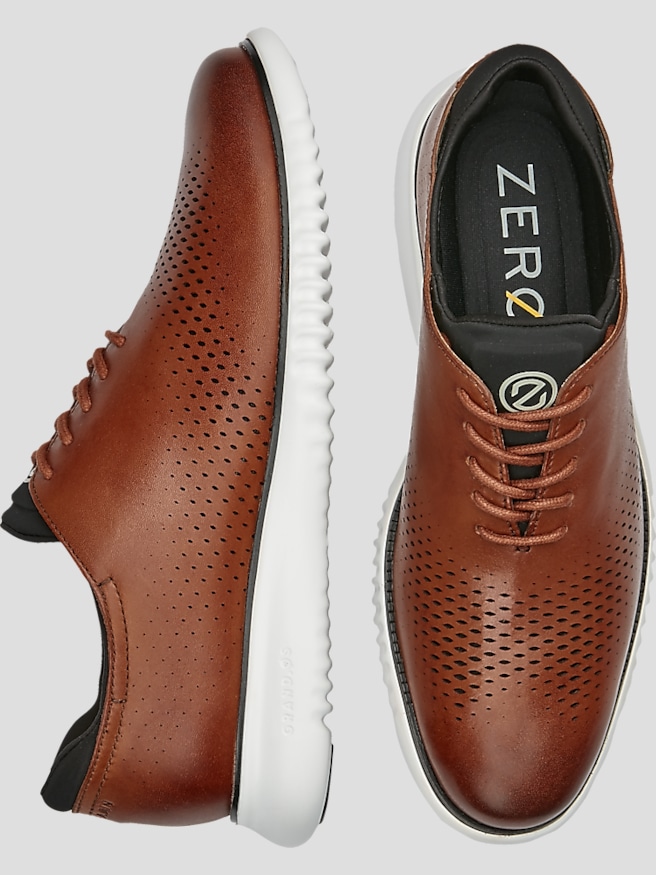
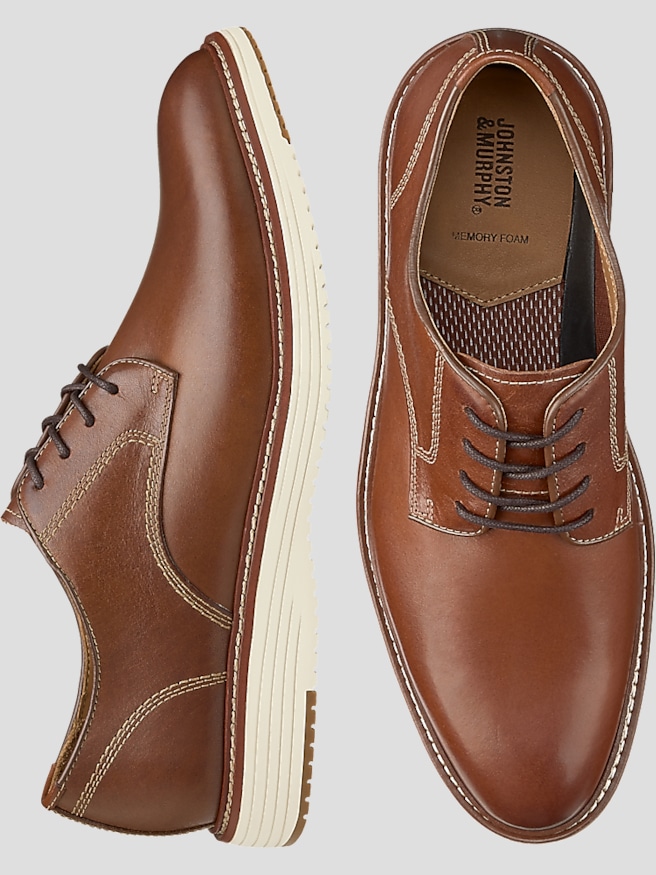
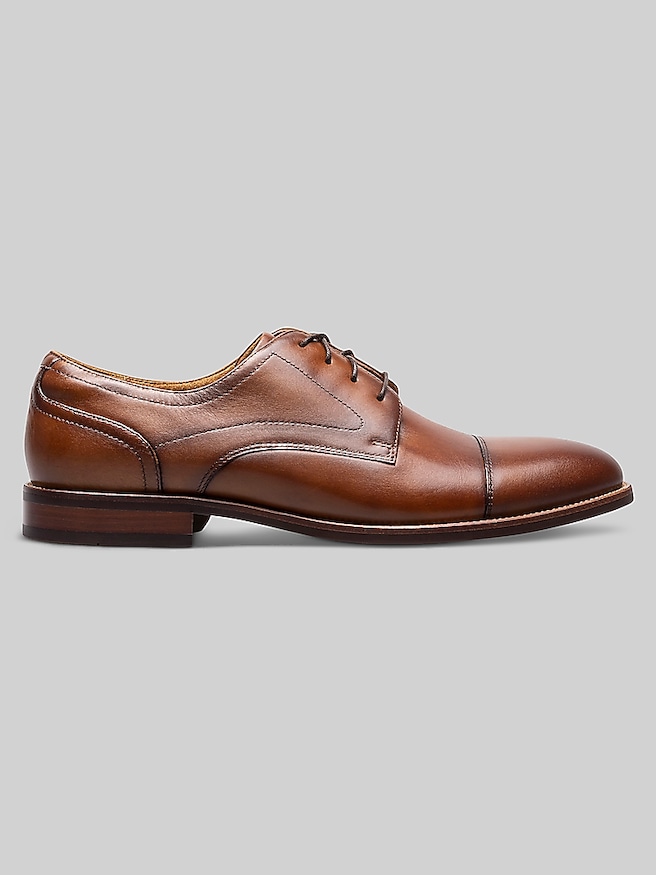
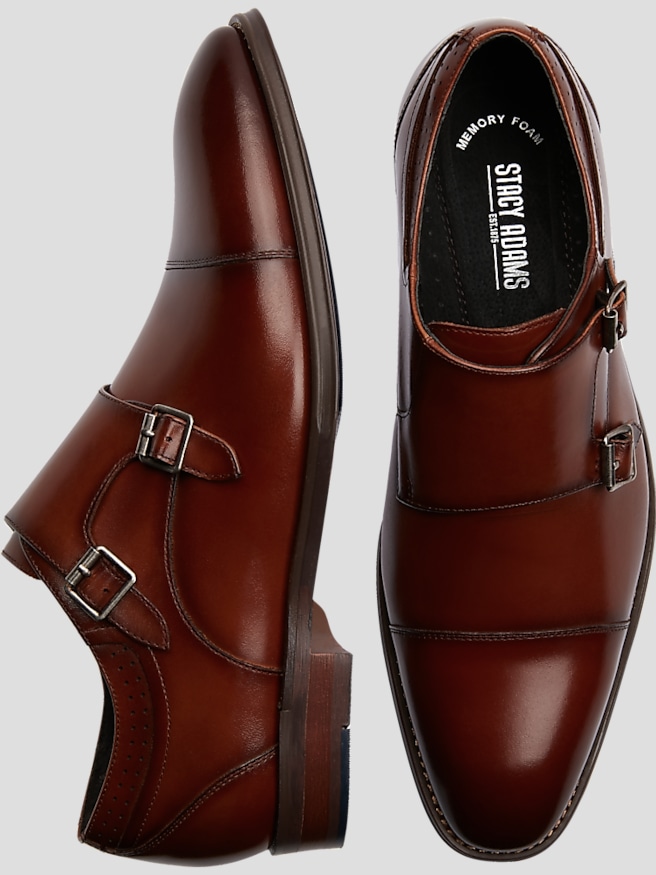
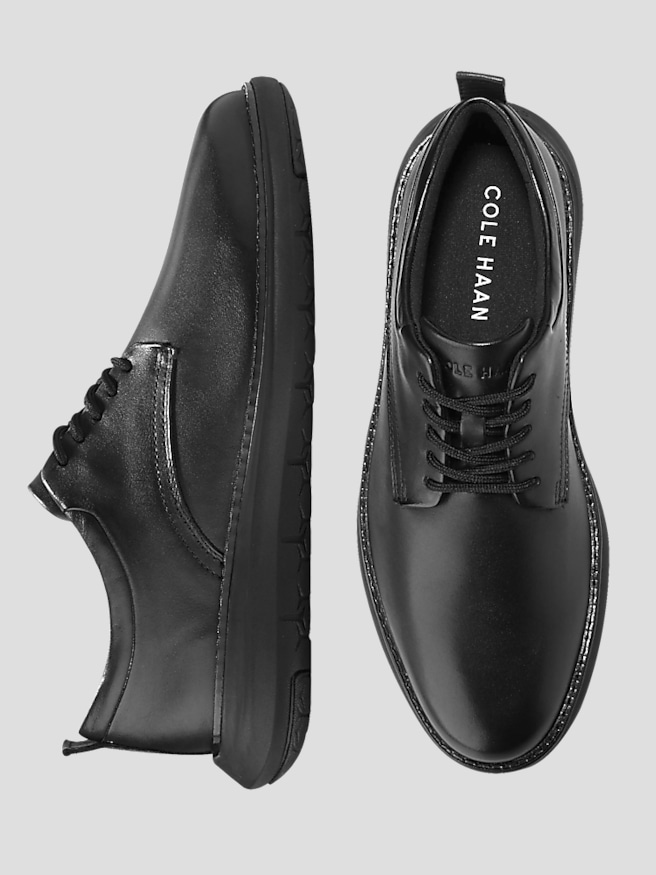
Men’s evening shoes are dress shoes designed to complement tailored clothing for dinners, weddings, receptions, and formal events. Their distinguishing features are a refined shape, a well-finished upper, and a profile that looks balanced beneath dress trousers. The category spans understated leather lace-ups, sleek loafers, and high-shine formal styles, with the right level of polish depending on the occasion and its dress code. Black leather oxfords are a classic match for dark suits, while patent leather brings a glossy finish often associated with tuxedos and black-tie dressing. Smooth calfskin offers a quieter sheen that can move comfortably from an important dinner to an evening ceremony. Dark brown or burgundy leather can complement navy and charcoal tailoring at occasions that allow more flexibility, though black remains the traditional choice for formal evening attire. A selection of Evening Shoes reflects this range, from clean, minimal silhouettes to styles with subtle stitching or decorative perforations. Those details influence how dressy a shoe appears: a plain toe generally looks more restrained, while prominent broguing adds texture and a less formal character. Oxfords have closed lacing that creates a neat appearance across the instep; derby shoes use open lacing and can offer more adjustment through that area. Loafers create an uncluttered line without laces and suit many cocktail settings, although their suitability for a highly formal event depends on the material, shape, and stated dress code. Toe shape also changes the overall effect. A gently rounded or softly tapered toe tends to sit naturally beneath tailored trousers without drawing attention away from the outfit. For someone stepping from a coat check into a softly lit dining room, these proportions matter as much as shine. The shoes should complete the clothing rather than compete with it, carrying the same sense of occasion as a crisp shirt, carefully fitted jacket, and clean trouser break. That visual connection is what separates evening footwear from shoes chosen mainly for daytime utility.
Materials and construction shape both the appearance of evening footwear and the experience of wearing it through a long event. Leather uppers can develop attractive character with proper care, while their suppleness varies with the hide, finish, and construction. Calfskin is valued for its fine grain and smooth appearance; patent leather has a glossy surface that creates a more pronounced formal effect. Suede and velvet bring a softer, light-absorbing texture to dressier loafers and slippers, particularly in indoor settings where the dress code welcomes some personality. These materials are not interchangeable in wet weather, and a polished surface should never be mistaken for waterproof protection. Inside the shoe, a smooth lining, neatly finished seams, and cushioning underfoot can make a meaningful difference between a brief seated dinner and a reception that continues for hours. Leather soles offer a traditional appearance and a slim profile, although new, smooth soles may provide limited grip on slick surfaces. Rubber soles or discreet rubber inserts can add traction, with the actual feel depending on tread and construction. Welted construction may allow resoling when the upper remains sound, while other methods can produce lightweight, flexible shoes; repair options vary by design. Fit deserves equal attention because evening plans often involve more walking and standing than expected. There may be a walk from the parking garage, a line at the coat check, and a long stretch of conversation before dinner begins. A suitable fit holds the heel securely without rubbing, leaves room for the toes, and avoids pressure across the widest part of the foot. Trying shoes with the socks intended for the event gives a more useful impression than relying on size alone. Feet can swell over the course of a day, so a comfortably close fit is preferable to one that feels tight from the start. Leather may soften with wear, but shoes that pinch should not be expected to become the correct size. A short period of indoor wear before an occasion can help reveal pressure points while keeping the soles protected.
Evening shoes earn their place in a wardrobe through repeated use, whether that means occasional black-tie invitations or a steady calendar of client dinners, milestone celebrations, and nights at the theater. A restrained leather style can work across several settings, while a glossy formal shoe serves a more focused purpose alongside a tuxedo. The relationship between shoes and trousers helps determine how finished an outfit looks. An excessively long hem can bunch over the upper and obscure its shape; a clean break allows the toe and lacing to remain visible without exposing too much sock while standing. Fine dress socks in a color that relates to the trousers usually maintain a continuous line, and enough sock length prevents bare skin from showing when seated. During cooler months, the journey to an event also deserves consideration. Rain, slush, and sidewalk salt can mark delicate uppers and leather soles, making protective overshoes or a change of footwear useful for the trip indoors. After wear, removing surface dirt before it settles helps preserve the finish. Smooth leather generally benefits from a soft brush or cloth, occasional conditioning suited to the material, and compatible polish applied sparingly. Patent leather needs care intended for its coated surface rather than a standard leather-polishing routine. Suede calls for a suitable brush and material-specific treatment, while velvet requires a gentle approach that protects the nap. Manufacturer care instructions should take priority, especially with mixed materials or specialized finishes. Damp shoes should dry naturally away from radiators and direct heat, which can damage leather and adhesives. Unfinished cedar shoe trees can help maintain shape and absorb some moisture between wears, and breathable storage keeps uppers from rubbing against other footwear. Attention to worn heel edges, loose stitching, and thinning soles can extend useful life when repairs are practical. Evening footwear can also make a thoughtful gift for a graduate, a groom, or someone whose work includes formal functions, provided sizing and style preferences are known. The most useful choice is one that fits the wearer’s actual occasions, feels secure underfoot, and still looks composed when the evening runs longer than planned.