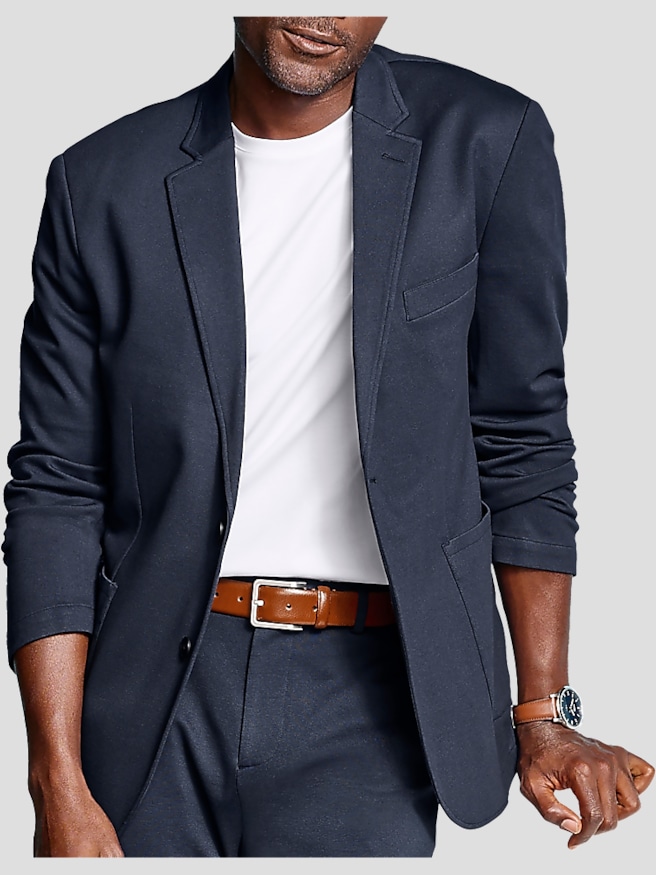
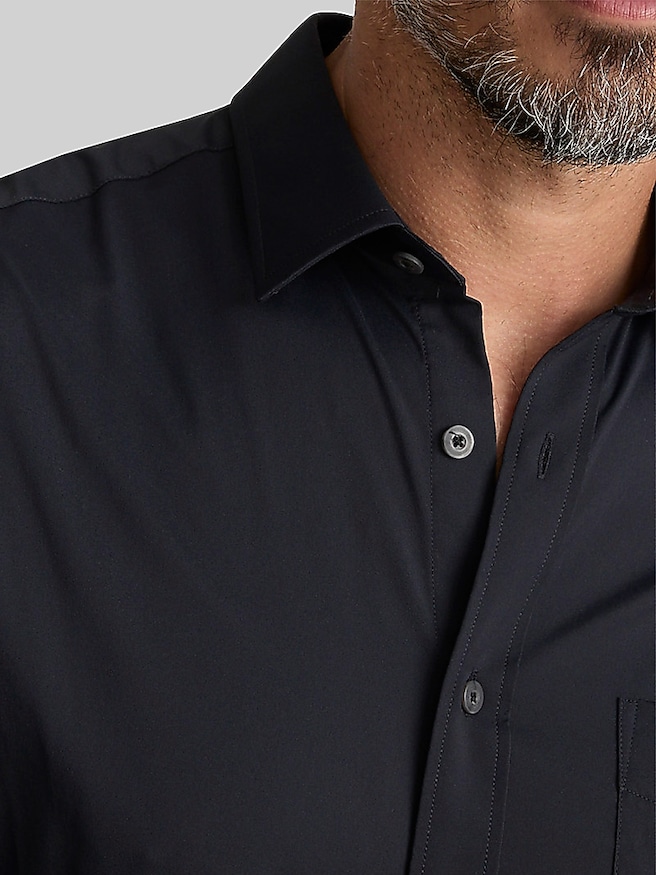
Men’s elevated basic casual shirts bring a more polished finish to everyday dressing through considered fabrics, balanced proportions, and understated details. The distinction is not a bold logo or an elaborate pattern; it is the way a collar holds its shape, a fabric falls smoothly across the chest, and a hem looks intentional over a pair of chinos. These shirts sit comfortably between a plain T-shirt and a traditional dress shirt, making them useful for a casual office, dinner with friends, or a weekend outing that calls for a little more effort. Fabric plays a central role in that balance. Cotton offers a familiar feel, while the weave helps determine whether the surface looks crisp, softly textured, or more substantial. An oxford weave has a recognizable grain that adds interest to a solid color; twill introduces a subtle diagonal texture and can give a shirt a fluid drape. Linen brings an irregular surface and natural creasing that suit a less structured look. Cotton-linen blends can combine some of that texture with a smoother hand, depending on the fabric construction. Modal blends often feel soft and drape close to the body, while fabrics containing nylon or polyester may offer benefits such as easier care or improved shape retention. Those qualities depend on the blend and finish, so fabric content alone does not tell the whole story. A small amount of stretch can make reaching across a desk or settling into a restaurant booth more comfortable without changing the shirt’s clean appearance. Woven styles generally provide more definition, while knit constructions tend to move more freely. Neither is inherently more elevated: the strongest choices combine a pleasing surface, enough substance to hang neatly, and details that support the intended look rather than compete with it.
Fit gives an elevated basic casual shirt its sense of purpose. A close fit should follow the torso without pulling across the buttons, while an easier fit should leave room to move without creating excess fabric around the waist. Shoulder seams that sit near the edge of the shoulder usually provide a clean starting point for a conventional set-in sleeve. Across the chest and upper back, there should be enough space to reach forward comfortably without obvious strain. Sitting down matters, too: a shirt that looks smooth while standing can pull at the middle once seated. Sleeve shape contributes just as much as body width. Long sleeves look more deliberate when the cuffs rest near the wrist rather than bunching over the hands, and short sleeves benefit from an opening that sits comfortably around the upper arm without flaring dramatically. Length is especially important for casual styling. A shirt intended to be worn untucked generally needs a hem that provides coverage without swallowing the proportions of the pants. A longer, more curved hem can work well tucked in, particularly when the outfit includes tailored trousers or a jacket. The best choice depends on torso length, rise of the pants, and how the shirt will usually be worn. Collar design changes the impression as well. A modest point or button-down collar adds familiar structure, an open collar feels less formal, and a band collar keeps the neckline simple. Subtle stitching, secure buttons, a neatly finished placket, and an unobtrusive pocket can all contribute to an understated result. A pocketless front creates an especially uninterrupted line, but simplicity does not require removing every detail. Fine stripes, tonal texture, or a small-scale pattern can add depth without overpowering an outfit. For a more defined approach to shape and proportion, explore Mens Tailored Casual Shirts.
The usefulness of elevated casual shirts comes from how naturally they work with familiar clothing. Navy, white, light blue, gray, and muted earth tones are easy starting points because they complement denim, chinos, and many tailored separates. A textured blue shirt with dark, clean-finished jeans and leather loafers feels considered without looking dressed for a formal occasion. A soft neutral shirt tucked into straight-leg trousers creates a sharper outline for a workplace with a relaxed dress code. Under an unstructured blazer, a simple collar and a smooth chest help keep the layers from looking crowded. For a dinner reservation after a day at the office, the same shirt can often carry through with a change of shoes or the addition of a jacket. The setting still matters: an elevated casual shirt is not automatically a substitute for formal attire or a dress shirt when an invitation calls for one. Its strength is everyday versatility, particularly for men who prefer a small group of dependable combinations over outfits that require constant adjustment. Durability and care help preserve that usefulness. Even stitching, tidy seam finishes, well-secured buttons, and fabric that recovers after ordinary movement are practical details worth considering. Closely fitted shirts can experience added stress at the elbows, armholes, and button placket, which makes adequate movement room part of long-term wear as well as comfort. Care should follow the garment label, since cotton, linen, blended fabrics, and stretch constructions can respond differently to washing, drying, and heat. Promptly smoothing a shirt after washing, avoiding unnecessary overdrying, and using the recommended ironing or steaming method can help maintain its appearance. Allowing a shirt to dry fully before storing it also helps keep it ready for the next wear. As a gift, an understated casual shirt can suit someone starting an office role, refining an everyday wardrobe, or simply appreciating clothing that feels comfortable without looking careless. Familiar colors, a known fit preference, and realistic care requirements make the choice more personal—and more likely to become part of a regular rotation.