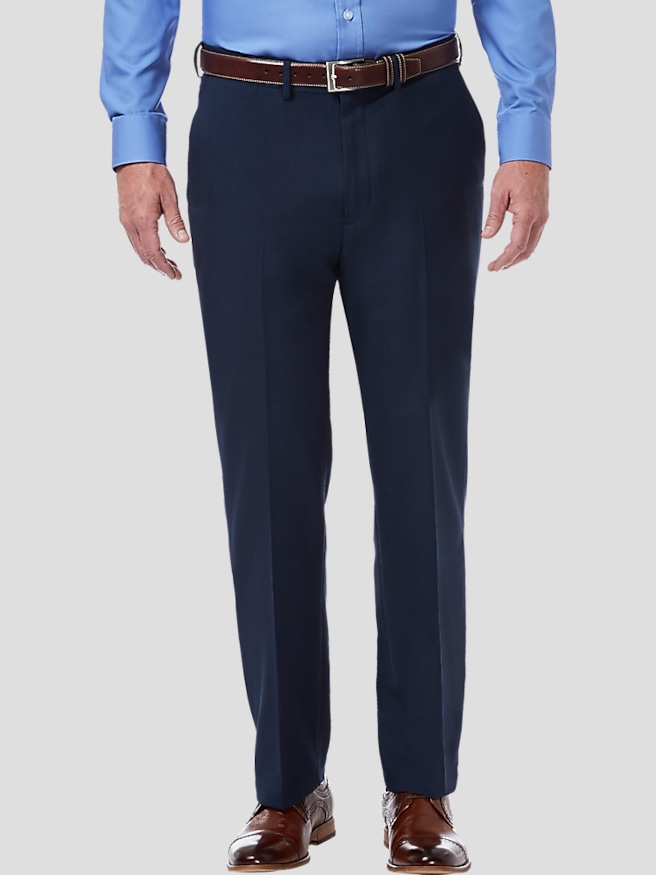
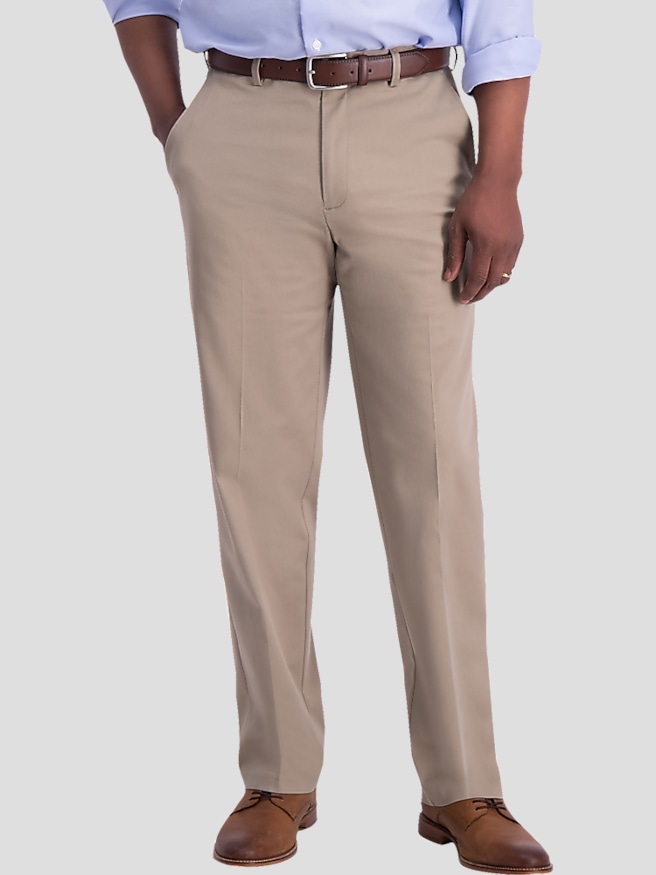
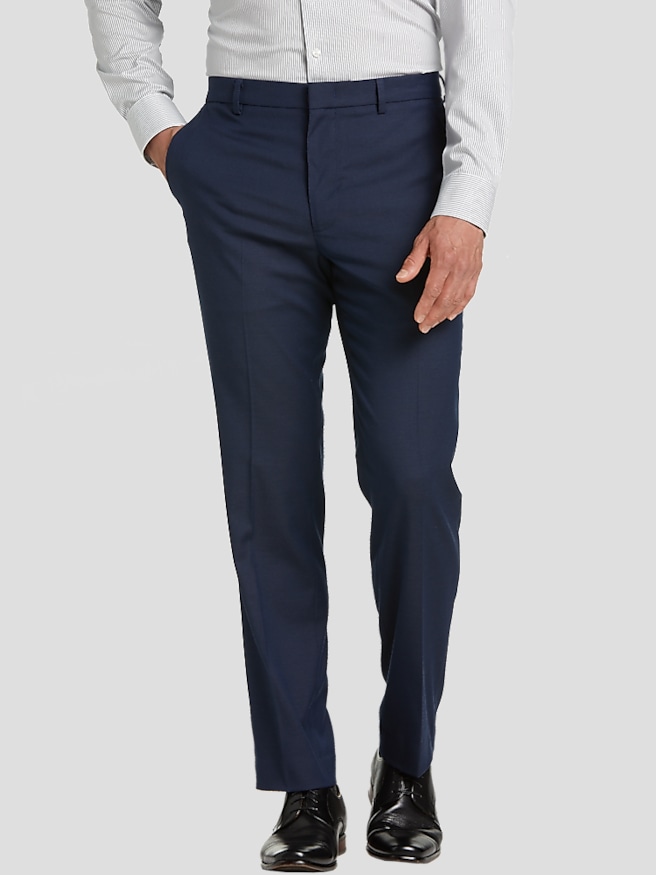
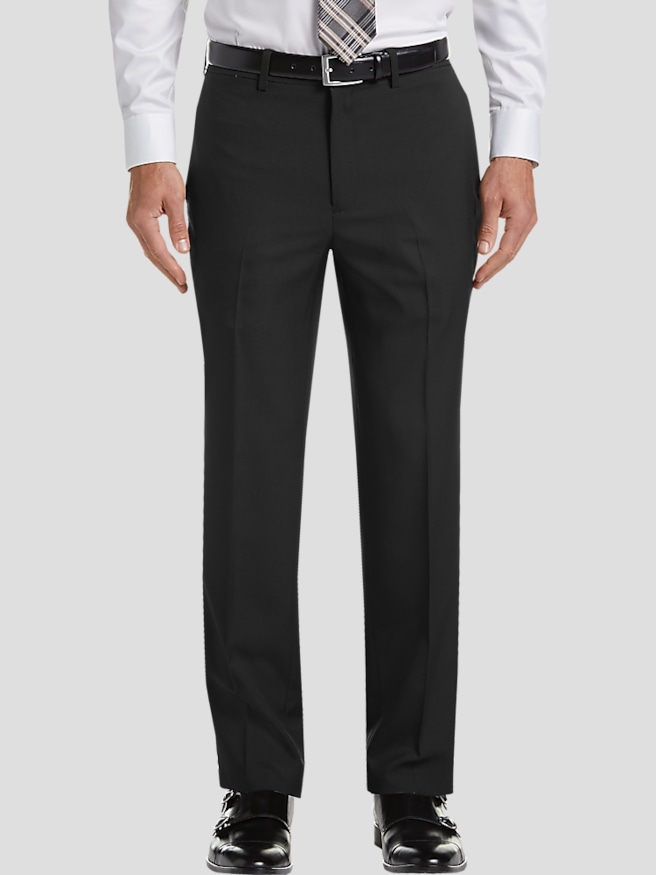
Men’s designer pants bring a distinctive approach to everyday dressing through fabric, proportion, and finishing details. The category spans tailored dress trousers, refined chinos, and more relaxed silhouettes, with each style offering a different balance of structure and ease. What distinguishes a pair is not simply its label, but how the fabric falls, how the waistband sits, and how thoughtfully the pockets and seams work with the overall shape. A clean crease and smooth drape can give dress pants a composed appearance for presentations, receptions, and dinners, while cotton twill offers a more casual texture that works with an open-collar shirt or a knit polo. Wool is valued in tailored trousers for its resilience, breathability, and ability to hold a pressed shape; the weight and weave influence whether the finished pants feel crisp, fluid, or substantial. Worsted wool typically has a smoother surface than fabrics made with fuzzier yarns, making it particularly suited to a sharp, understated look. Cotton provides a familiar feel and can develop a softer hand with wear, though its tendency to crease varies with construction and finishing. Blended fabrics may combine these qualities with added strength, stretch, or easier care, but performance depends on the actual fiber content rather than the designer designation alone. A small amount of elastane can add give through the seat and knees, especially useful for a day that includes a commute, a desk, and an evening out. Fabric texture also affects how pants coordinate with the rest of an outfit: a subtle twill can add depth to a solid shirt, while a smooth trouser fabric keeps the focus on a patterned jacket. Navy, charcoal, gray, tan, and black offer familiar foundations, and understated checks or textured weaves provide visual interest without requiring bold color. For someone building a wardrobe around repeat wear, the strongest choice is often a fabric and silhouette that feel equally natural with several shirts, shoes, and layers already in the closet.
Fit determines much of the character of men’s designer trousers, from a narrow, streamlined outline to a fuller leg with an easy drape. Slim fit generally follows the body more closely, while straight and classic fits typically leave more space through the thigh and leg; these terms are not standardized, so measurements and garment proportions matter more than the name alone. A tapered leg narrows toward the ankle without necessarily fitting closely through the seat, making it distinct from an allover slim cut. Rise is just as important as leg shape because it determines where the waistband rests and influences comfort when sitting. Pants should stay comfortably in place without a belt pulling the waistband into folds, and the front pockets should lie reasonably flat rather than flare outward. Pulling across the hips, stretched pocket openings, or persistent diagonal wrinkles can suggest that the cut needs more room. Extra fabric gathering beneath the seat may point to a different fit issue, even when the waist measurement seems correct. These details become especially noticeable during ordinary movement: stepping into a car, sitting through a meeting, or reaching down to tie a shoe. Flat-front pants create an uninterrupted front, while pleats introduce folded fabric that can provide additional room and shape, depending on the cut. Neither is inherently more formal; fabric, tailoring, and the rest of the outfit establish the effect. At the hem, little or no break creates a crisp line above the shoe, while a slight break allows the fabric to rest softly on the upper. A wider leg often benefits from enough length to maintain its drape, rather than looking unintentionally short. Hemming and certain waist adjustments can refine the finish, although alteration possibilities depend on seam allowances and construction. For a broader look at expressive silhouettes and polished everyday options, men’s stylish pants offer another perspective on bringing shape, texture, and personal taste into a coordinated wardrobe.
The intended setting helps define which details deserve the most attention. In an office with a tailored dress code, smooth trousers paired with a tucked-in shirt and leather shoes create a reliable foundation without requiring a matching suit jacket. For a client lunch or a restaurant reservation, a textured pair with a fine-gauge knit can look considered without feeling overly formal. Chinos work naturally in less structured settings, particularly when the hem and footwear keep the silhouette neat. Wedding guests can use tailored pants as part of an outfit appropriate to the invitation, but separate trousers are not a substitute for the attire required by a black-tie dress code. Frequent travelers may value fabrics that resist creasing and cuts that remain comfortable while seated, though no fabric should be assumed wrinkle-free without supporting care or performance information. Longevity comes from both construction and maintenance. Even stitching, secure pocket attachments, a neatly finished waistband, and hems that lie flat are useful details to examine; a higher-profile label alone does not guarantee durability. A partial lining can help some tailored fabrics move smoothly over the legs, while pocket construction affects how well the front retains its shape. Overfilled pockets can distort an otherwise clean outline, so a bulky phone or key ring may sit better in a jacket or bag. Care should always follow the garment label: some trousers require professional cleaning, while others permit washing under specified conditions. Excessive heat can affect fibers, finishes, and stretch recovery, making the recommended washing, drying, and pressing methods important. Hanging pants neatly after wear, addressing stains promptly with an appropriate method, and rotating between pairs can help preserve their appearance. Designer pants can also make a thoughtful gift for a partner, parent, or graduate whose measurements and preferred fit are known. A familiar silhouette in a versatile color is generally easier to integrate than an unfamiliar cut. Whether chosen for a professional milestone or everyday use, the most rewarding pair combines a pleasing appearance with comfort that holds up beyond the fitting room.