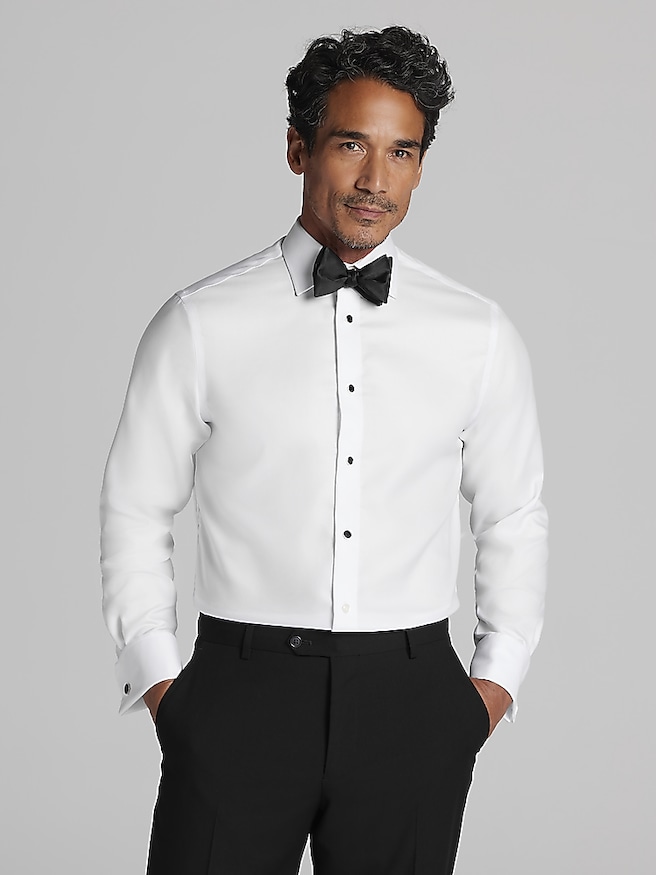
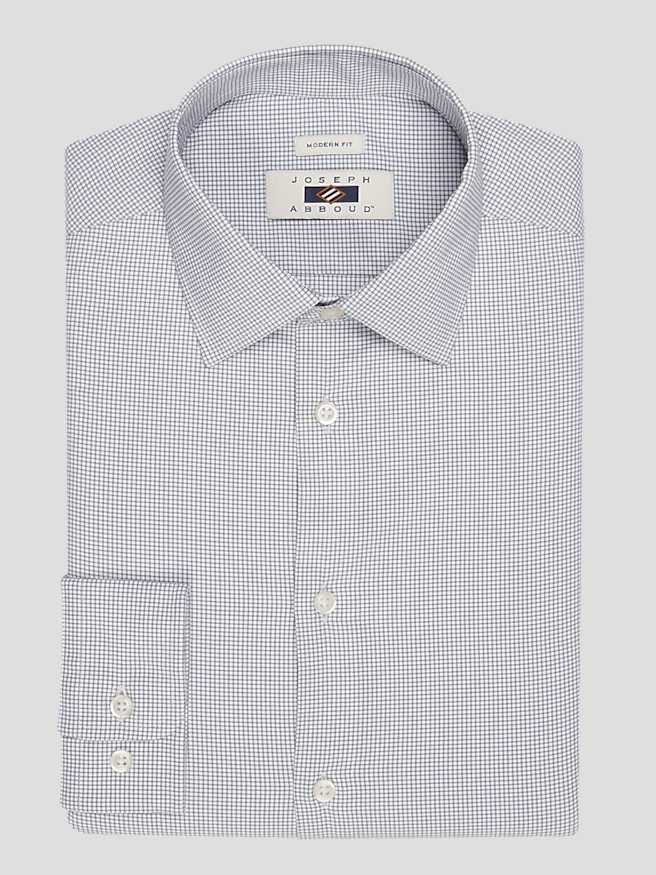
Men’s designer dress shirts bring a polished foundation to tailored clothing, with attention to fabric, proportion, and the details visible above a jacket’s lapels and below its sleeves. Their appeal is not simply a label; it is the way a collar frames the face, a cuff sits at the wrist, and the fabric keeps its shape when tucked into dress pants. Within a collection of Designer Dress Shirts, fabric and construction help distinguish a crisp business look from a softer, more understated expression of personal style. Cotton is a familiar choice for its breathability, absorbency, and comfortable feel against the skin. Long-staple cotton can produce smooth yarns with fewer exposed fiber ends, though the finished shirt’s quality also depends on its weave and construction. Poplin has a smooth surface and a clean appearance that works well beneath a suit. Twill has a subtle diagonal texture and often a fluid drape, while pinpoint Oxford offers fine texture that feels at home in both professional and dressed-up social settings. Cotton blends may add stretch or easier maintenance, depending on their composition and finish. These differences become noticeable in everyday use: a smooth white shirt creates a sharp contrast beneath a navy jacket, while a pale blue shirt with a textured weave adds depth without making the outfit feel busy. Solid colors emphasize tailoring and make room for a patterned tie; fine stripes and small checks introduce interest while remaining restrained. Collar shape matters just as much. A point collar creates a narrower frame for a tie, while a spread collar leaves more room for a fuller knot. Button cuffs offer straightforward versatility, and French cuffs create an opportunity for cuff links and a more dressed-up finish. Details such as even stitching, neatly finished seams, and securely attached buttons contribute to a refined appearance and dependable wear, whether the shirt is part of a daily office rotation or reserved for an important occasion.
Fit determines how those details come together on the body. A designer dress shirt should look composed while allowing natural movement through a seated meeting, a handshake, or a wedding toast. Classic fits generally provide more room through the chest and waist, while slim fits follow the torso more closely; terminology and proportions can vary by designer, so measurements are more useful than the fit name alone. Neck size, sleeve length, shoulder placement, and room through the upper back all deserve attention. A collar should close comfortably without pressing into the neck, and the shoulder seam should sit near the edge of the shoulder rather than slipping down the upper arm. Sleeves should reach the wrist without excessive bunching, with enough ease to bend the elbow. When worn beneath a tailored jacket, a small amount of shirt cuff showing helps create a balanced finish. The body should lie smoothly across the chest instead of pulling at the buttons, and there should be enough length to keep the hem tucked when reaching or sitting. Stretch can improve flexibility, but it does not replace the right size or cut. For someone who wears a suit most weekdays, consistent collar and sleeve proportions make getting dressed simpler and help shirts work across several jackets. For someone dressing for an interview, an understated solid shirt can keep attention on the conversation rather than the outfit. Wedding guests, graduates, and professionals attending conferences may appreciate the same combination of neat presentation and comfort through a long event. Designer dress shirts can also be thoughtful gifts for a partner, father, brother, or recent graduate, especially when the recipient’s neck measurement, sleeve length, and preferred fit are known. A familiar color or subtle pattern usually integrates more easily into an established wardrobe than an unfamiliar silhouette. For black-tie occasions, the invitation’s dress code matters: a standard business dress shirt is not always a substitute for a shirt designed specifically for tuxedo wear.
Care and construction influence how well a dress shirt maintains its appearance over repeated wear. The care label should guide washing, drying, ironing, and any professional cleaning, because fibers, finishes, and decorative details do not all respond the same way. Easy-care or wrinkle-resistant treatments can reduce maintenance, but they do not mean a shirt will remain perfectly smooth under every condition. Prompt attention to marks around the collar and cuffs can help prevent buildup, and separating light and dark fabrics helps protect their appearance. Appropriate detergent, the recommended wash setting, and avoiding excessive dryer heat can help preserve fabric and shape. Removing a shirt promptly after drying and placing it on a supportive hanger can limit unnecessary creasing. For shirts that permit ironing, the correct heat setting and careful pressing around the collar, placket, and cuffs restore the clean lines that make tailored clothing look finished. Durability also depends on practical details: buttons should feel secure, seams should remain even, and fabric should have enough substance for its intended use without feeling stiff or restrictive. Rotating shirts gives each one time for cleaning and care rather than placing the entire workload on a single favorite. Over time, a useful dress-shirt wardrobe often combines dependable solids with a few restrained patterns, each suited to the wearer’s usual jackets, pants, and ties. White offers a clear, formal foundation, light blue works easily with navy and gray tailoring, and subtle stripes can bring variety to repeated combinations. A textured solid can look polished with an open collar, while a crisp, smooth fabric supports a more structured outfit with a tie. For dinners, presentations, ceremonies, and everyday professional dressing, the strongest choice is a shirt whose fabric, fit, and level of formality suit the setting. Designer details are most effective when they contribute to that balance: a collar that holds its line, cuffs that sit cleanly beneath a jacket, and a comfortable fit that stays composed throughout the occasion.