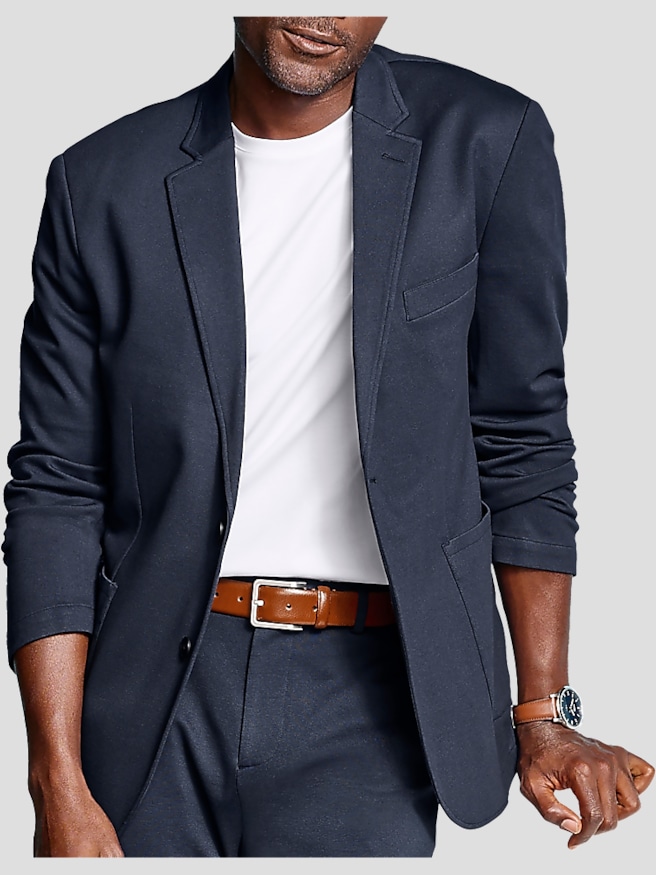
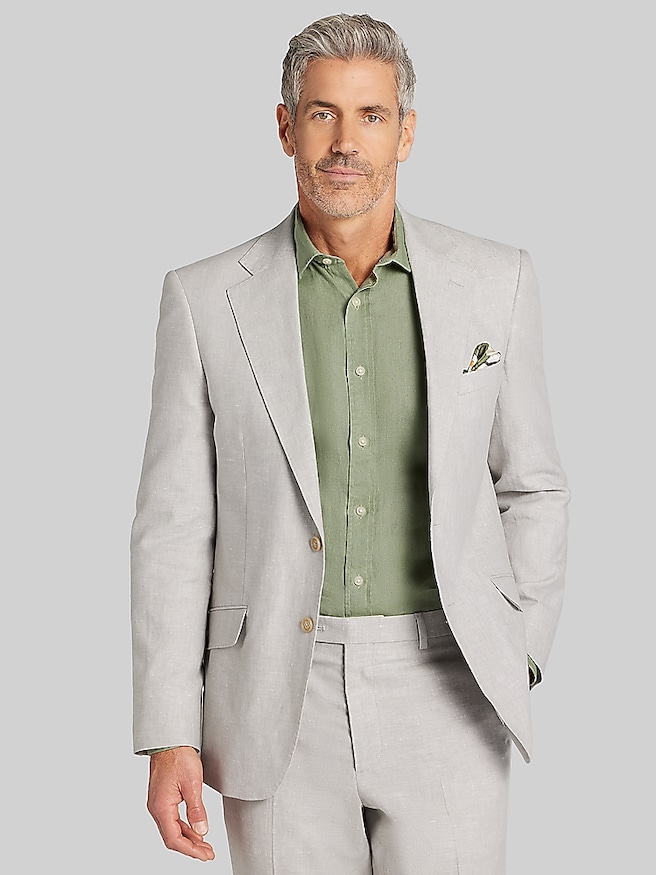
Men’s date night outfits include relaxed combinations of knit shirts and chinos, smart-casual looks with button-front shirts and sport coats, and dressier options built around coordinated tailoring. The right level of polish depends on the setting: a neighborhood restaurant calls for something different from a reservation at a dining room with a dress code. Across those settings, a cohesive outfit feels intentional without making the clothing the center of attention. Clean lines, balanced proportions, and comfortable fabrics help create that effect, whether the evening includes dinner, a gallery visit, or tickets to a performance. A soft-collared shirt worn with neatly fitted trousers offers an easy middle ground between casual and formal. A jacket adds structure, while an understated knit can make tailored pants feel less businesslike. Navy, charcoal, tan, olive, and cream provide a versatile foundation, with deeper colors or restrained patterns adding personality without overwhelming the combination. Texture also makes a difference up close: a subtle weave, a smooth knit, or a softly brushed surface gives simple clothing more dimension. Fit brings these elements together. Shoulder seams should sit comfortably, shirt fronts should lie smoothly, and trousers should allow natural movement when sitting across a table or walking several blocks after dinner. A close fit does not need to feel tight, and a relaxed fit can still look deliberate when sleeve lengths and hems are proportionate. Pants that fall cleanly over shoes and jacket sleeves that do not cover the hands create a more finished appearance. These details matter as much for an established couple’s regular night out as they do for a first meeting. Clothing that stays comfortable through a seated meal, a walk, and a change of venue leaves less reason to adjust a collar or tug at a waistband. The result is an outfit suited to the occasion rather than a look that feels borrowed from another part of the day.
Fabric and construction influence how date night clothing looks, feels, and holds its shape over time. Cotton shirting can offer a crisp surface or a softer, more casual finish, depending on the weave and treatment. Oxford cloth has visible texture, while smoother weaves generally create a sharper impression beneath tailoring. Cotton twill gives chinos their familiar diagonal texture and enough substance for repeated wear. Linen introduces natural variation and an easy drape, with creasing that is part of its character rather than a flaw. Wool is useful beyond traditional suiting: finer wool fabrics can drape cleanly, resist some wrinkling, and work in trousers or tailored separates. Knits bring another kind of ease, with fabric structure that allows movement and can soften the appearance of a jacket. Blended fabrics may combine these qualities with added stretch or easier care, although performance depends on the full fiber mix and construction. Stretch is most useful when it supports movement without leaving knees, elbows, or waistbands looking stretched out after wear. Durability also shows in less obvious details, including secure buttons, even seams, finished edges, and pocket openings that lie flat. Reinforcement at areas of strain can help clothing stand up to regular use, while a lining may help a jacket slide smoothly over a shirt. Care requirements deserve equal attention because a polished appearance depends on upkeep. The garment label determines whether machine washing, hand washing, or professional cleaning is appropriate. Excessive heat can affect fibers, finishes, and fit, so washing and pressing methods should match the fabric. Prompt attention to spills, suitable hangers for tailored pieces, and folded storage for knits can help preserve their appearance. A quick check for wrinkles, lint, and loose threads before an evening out often does more for the finished look than another accessory. Clothing that suits an existing care routine is also easier to keep ready for repeat wear.
A useful date night wardrobe has room for personal style without requiring a completely separate set of clothes for every occasion. The same tailored trousers can look understated with a fine-gauge knit or more dressed up with a collared shirt and jacket. Chinos offer similar flexibility, moving comfortably between a casual meal and a more polished restaurant setting when paired with complementary shoes and a well-proportioned top. Coordinated separates make it possible to adjust the level of formality while keeping familiar shapes and colors. A full suit creates a more unified impression for an upscale dinner or an evening with a clearly stated dress code, while an unstructured sport coat can provide definition without the same formality. Accessories work best when they support that overall direction. A simple belt, a watch, or a neatly folded pocket square can add a finishing detail without competing for attention. Footwear changes the character of the outfit, too: polished lace-ups emphasize tailoring, loafers bridge casual and dressy clothing, and streamlined sneakers suit more relaxed settings where the dress code allows them. Clean surfaces, maintained soles, and comfortable fit matter more than elaborate detailing. Personal preference remains central, particularly for anyone who feels most at ease in familiar colors or a straightforward silhouette. A date night outfit can look distinctive through proportion, texture, and one considered accent rather than a collection of statement pieces. Clothing in this category can also make a thoughtful gift for a partner or spouse, especially when the size, preferred fit, and care preferences are already known. Versatile pieces are easier to incorporate into an established wardrobe than clothing that demands an entirely new look. For someone marking an anniversary or planning a special evening together, the appeal lies in clothing that feels appropriate, comfortable, and recognizably personal. Additional combinations and styling inspiration can be found in Mens Date Night Outfit Ideas. The strongest outfits make a good impression while leaving room for the evening itself.