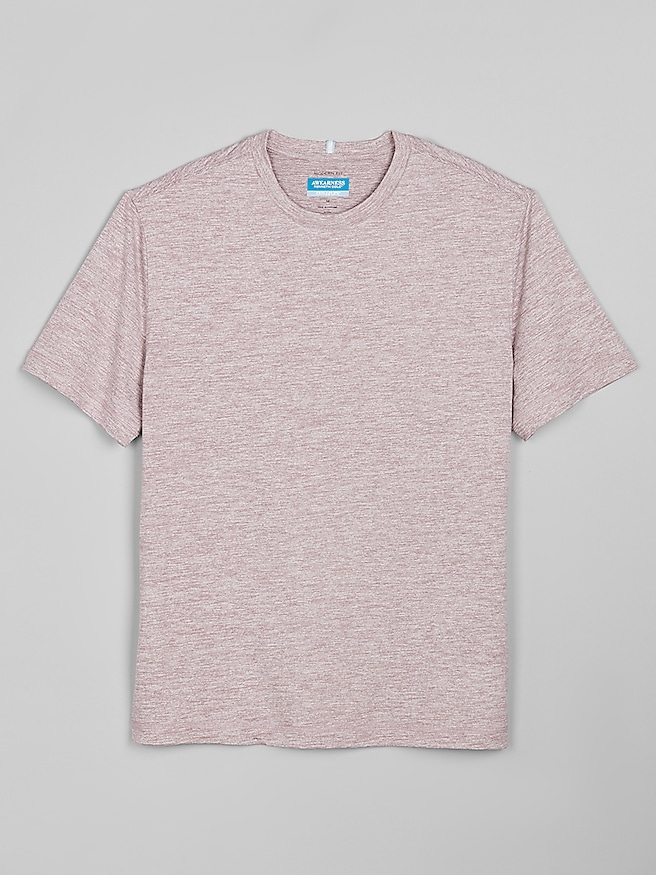
Men’s crewneck T-shirts are everyday knit shirts with a rounded neckline that sits close to the base of the neck, creating a clean outline without a collar or buttons. Their straightforward shape works as a standalone top, a base layer beneath an open shirt, or a casual counterpoint to more structured clothing. Cotton, cotton blends, and performance fabrics offer distinct benefits, while slim, classic, and relaxed fits create different silhouettes. Cotton is a familiar choice for its soft feel and breathability; the weight and construction of the fabric determine whether it feels light and fluid or substantial and structured. Combed cotton generally has a smoother surface because shorter fibers have been removed, while ring-spun cotton uses a spinning process that can produce a finer, softer yarn. Cotton blended with polyester may dry faster and resist wrinkles, and a small amount of elastane can add stretch for reaching, sitting, and moving comfortably. Fabrics designed for moisture management can make sense for active routines, though those benefits depend on the material and finish rather than the crewneck shape itself. Fabric weight also affects how a tee looks on the body. A lightweight knit layers neatly beneath another shirt, while a heavier knit can provide more coverage and a firmer drape when worn alone. Neither is automatically better; a smooth base layer and a substantial standalone tee serve separate purposes. Construction deserves equal attention. An evenly stitched hem, secure shoulder seams, and a neckline that lies flat contribute to a finished appearance. Ribbing around the neck allows some give when dressing, while well-constructed seams help the shirt withstand repeated wear. For a tee that will become part of a regular rotation, comfort comes from the combination of fabric, cut, and finishing—not simply from how soft the material feels at first touch.
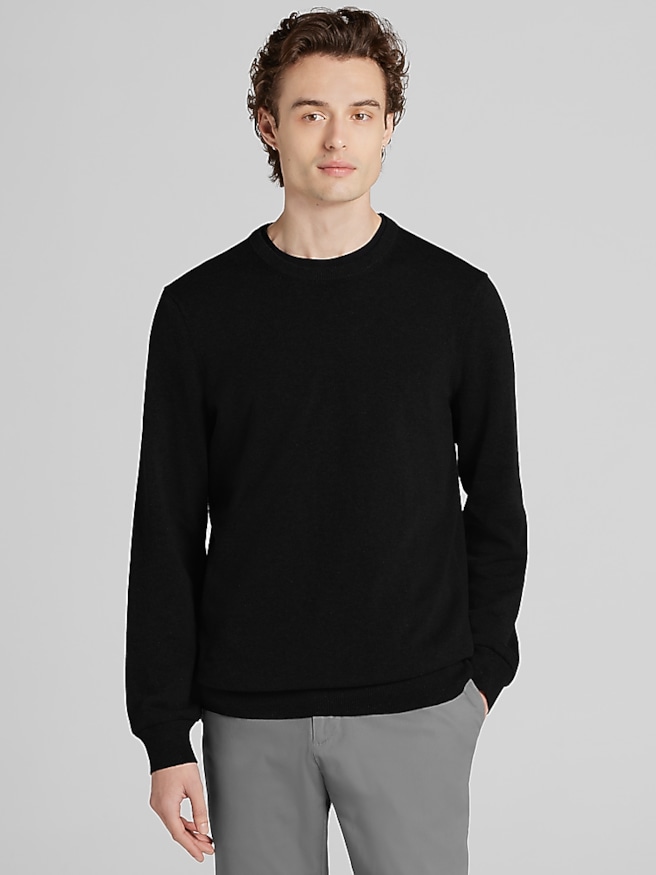
Fit determines whether a men’s crewneck T-shirt looks close and streamlined or easy and relaxed. A classic fit typically leaves room through the chest and waist without creating an oversized outline. A slim fit follows the torso more closely and can reduce extra fabric beneath a button-down, while a relaxed fit allows a looser drape and greater ease through the body. Fit names vary, so measurements are more useful than the label alone. On a conventional set-in sleeve, the shoulder seam generally sits near the edge of the shoulder; a deliberately dropped shoulder creates a different effect. Sleeves should allow comfortable arm movement without pulling across the upper back, and the chest should remain smooth rather than forming tight horizontal lines. Length matters just as much. For untucked wear, a hem that covers the waistband without extending too far down the seat usually creates balanced proportions. A tee intended for tucking needs enough length to stay in place when reaching overhead or settling into a chair. The neckline should feel comfortable against the skin and lie close enough to frame the face without pressing into the throat. Color and surface details then shape how the shirt fits into a wardrobe. White, black, navy, and gray provide straightforward foundations, while muted greens, blues, and earth tones introduce variation without demanding an entirely new outfit. A plain crewneck with dark jeans and clean sneakers suits a casual dinner; paired with chinos and an unstructured jacket, it creates a more polished combination for settings where a T-shirt is appropriate. An open overshirt adds another layer without hiding the neckline. For a knit-over-knit combination, men’s crew neck sweaters pair naturally with a smooth, close-fitting tee underneath. Keeping the base layer trim through the sleeves and torso helps prevent bunching, and choosing similar necklines creates a tidy finish. A slightly visible T-shirt collar can also be an intentional detail, provided it lies flat rather than gathering at the neck.
The lasting appeal of men’s crewneck tees comes from how easily they fit into ordinary routines: getting dressed for a casual workplace, heading out for an afternoon with friends, packing for a weekend away, or changing into something comfortable at home. Intended use can help narrow the choice. A shirt worn directly against the skin all day benefits from soft seams and a comfortable neck opening. One worn beneath tailored clothing needs a smooth profile, while a tee used for active errands may benefit from stretch and fabric designed to move moisture. For gifting, crewneck T-shirts are practical when the recipient’s preferred fit, size, and colors are known. Matching the measurements of a favorite shirt is often more reliable than guessing from height alone, especially because chest width and body length can vary independently. Care helps preserve those qualities after the first wear. The garment’s care label should take priority, since fiber blends, dyes, and decorative finishes can require different handling. Washing with similar colors, turning shirts inside out, and avoiding an overloaded machine can reduce unnecessary friction and surface wear. Pretreating marks promptly with a suitable treatment is usually gentler than repeated aggressive washing, and any treatment should be checked for compatibility with the fabric. Excessive dryer heat can contribute to shrinkage or affect stretch fibers, so use the recommended setting and reshape the shirt gently when needed. If air-drying, supporting the garment evenly helps keep the shoulders and neckline from stretching under the weight of wet fabric. Folding tees for storage can also help preserve their shape, particularly with heavier knits. Small details become noticeable over time: a collar that remains flat, seams that do not twist around the torso, and a hem that sits evenly after washing. A well-chosen crewneck brings those practical qualities together with a fit that feels natural, making it an uncomplicated foundation for repeated wear.