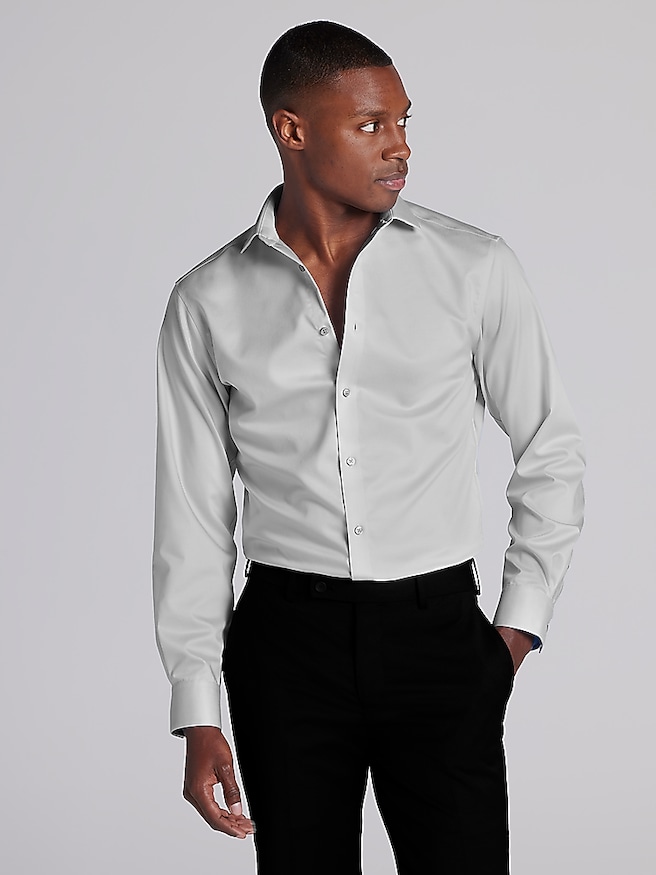
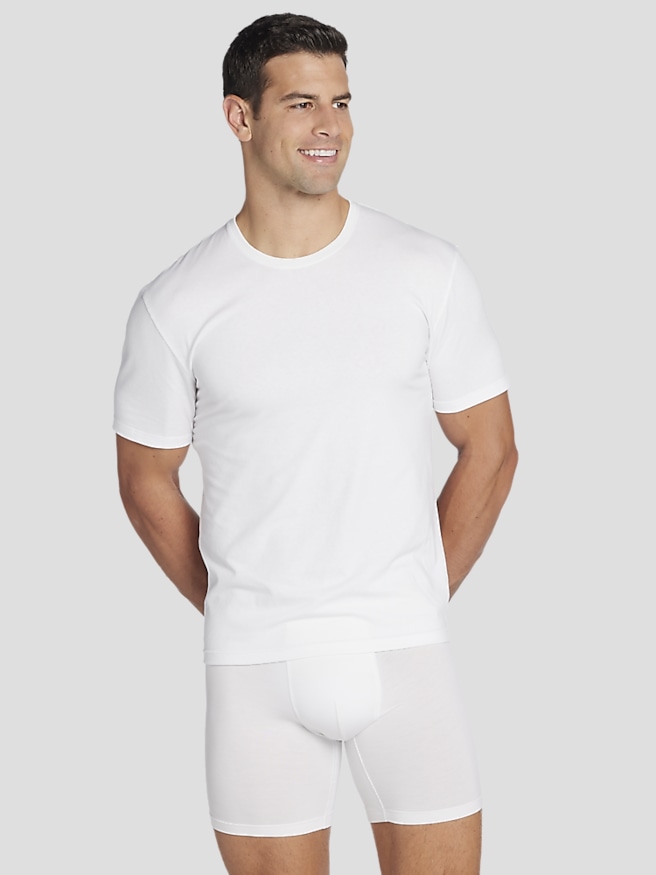
Men’s cotton tops bring a familiar softness to everyday dressing, whether the day starts with a commute, a coffee stop, or a quiet morning at home. Cotton feels comfortable against the skin and allows air to circulate, making it a useful foundation for outfits that move between indoor warmth and cooler outdoor air. The character of a cotton top depends on more than the fiber alone: fabric weight, yarn quality, knit or weave, and finishing all influence how it feels and wears. A lightweight cotton jersey has an easy drape that works well beneath an overshirt, while a heavier knit offers more substance when worn on its own. Piqué has a lightly textured surface often associated with polo shirts, giving a casual outfit a bit of structure without the formality of a dress shirt. Cotton oxford cloth has a more pronounced woven texture, making it a natural match for chinos, denim, and relaxed tailoring. Smooth, fine weaves can look sharper beneath a jacket, especially when the collar sits neatly and the fabric lies flat through the chest. Pure cotton emphasizes the natural feel of the fiber, while cotton blends may add stretch, wrinkle resistance, or other performance qualities, depending on their composition and construction. Neither fabric weight nor a particular fiber percentage tells the whole story; a soft hand, consistent stitching, and a shape that suits the wearer matter just as much in daily use. Across T-shirts, polos, henleys, and button-front shirts, cotton offers a broad range of textures and levels of polish. A simple crew neck can soften the look of a structured jacket, and a collared cotton shirt can make dark jeans feel appropriate for a casual dinner. These are clothes for the spaces between formal occasions: office days with a relaxed dress code, family visits, neighborhood walks, and evenings when comfort still needs to look considered. Their appeal comes from that balance of ease, familiarity, and enough structure to make an outfit feel complete.
Fit gives men’s cotton tops much of their versatility, shaping both their appearance and how comfortably they work with other layers. A close fit can sit smoothly under a sweater or casual jacket, but it should still leave room to reach forward, bend an elbow, and sit without pulling across the back. A regular fit offers more breathing room through the torso, while a relaxed cut creates a looser silhouette that pairs naturally with casual pants. Shoulder seams near the edge of the shoulder generally produce a clean line on traditionally cut tops; intentionally dropped shoulders create a softer, more casual effect. Sleeve length and body length deserve the same attention as chest size. A short sleeve that lands around the middle of the upper arm gives a classic proportion, while a long sleeve should reach the wrist without gathering excessively. For an untucked shirt, a hem that falls around the middle of the fly often looks balanced, though the best length depends on height, torso length, and the cut of the pants. Shirts intended for tucking need enough length to stay in place through ordinary movement. During the cooler months, these proportions become especially noticeable under layers. A trim cotton polo beneath a cardigan can look composed without feeling stiff, while a substantial cotton tee beneath an open flannel shirt creates a comfortable combination for a weekend lunch or an afternoon outdoors in mild weather. Color and texture help set the mood, too. White, navy, gray, and black provide straightforward foundations, while muted greens, warm browns, and deep reds bring variety without making coordination complicated. Fine stripes and subtle surface texture can add interest beneath a solid jacket. For activities where quicker drying matters, Mens Polyester Tops offer another fabric category to consider alongside cotton. Cotton absorbs moisture and can take longer to dry, so fabric choice is worth matching to the pace of the day, the setting, and the amount of time spent outside.
The lasting usefulness of a cotton top also depends on its construction and care. Even seams, securely attached buttons, and neatly finished hems help a garment hold up to repeated wear, while a collar that lies smoothly contributes to a tidy appearance after washing. Heavier fabric can offer a sturdy feel, but weight alone does not guarantee durability; yarn quality and the way the fabric is made also play important roles. Cotton may shrink, particularly with heat, and even fabric treated to reduce shrinkage benefits from attention to the care label. Washing in cool water when the label permits, keeping similar colors together, and avoiding excessive dryer heat can help preserve fit and color. Turning dark tops inside out may reduce surface abrasion, and removing garments promptly after drying can limit creasing. Knits often keep their shape best when folded rather than left on narrow hangers, while woven shirts can benefit from hanging with the collar and placket straightened. A quick press or steam, when permitted, restores a cleaner finish for work or dinner without changing the easy character of the fabric. These small habits matter most with the tops that get worn repeatedly: the comfortable shirt chosen for a long drive, the polo that works for a casual office, or the long-sleeve tee that becomes a dependable layer beneath a jacket. Cotton tops can also make thoughtful gifts for a father, partner, brother, friend, or recent graduate building an everyday wardrobe. Familiar colors and a neckline the recipient already wears are often more useful than an unfamiliar silhouette, and a known size is a better starting point than a guess based on height alone. Someone who spends the day at a desk may appreciate a smooth cotton shirt with room through the shoulders, while someone who favors laid-back weekends may get more use from soft jersey and an uncomplicated fit. The strongest choices reflect real routines, comfortable proportions, and fabrics that feel right from morning through evening.