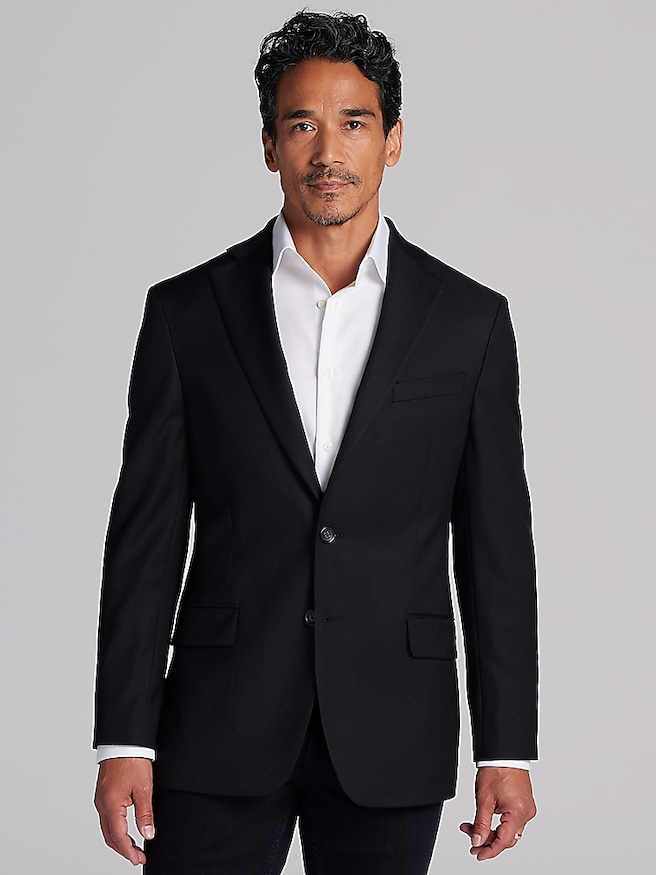
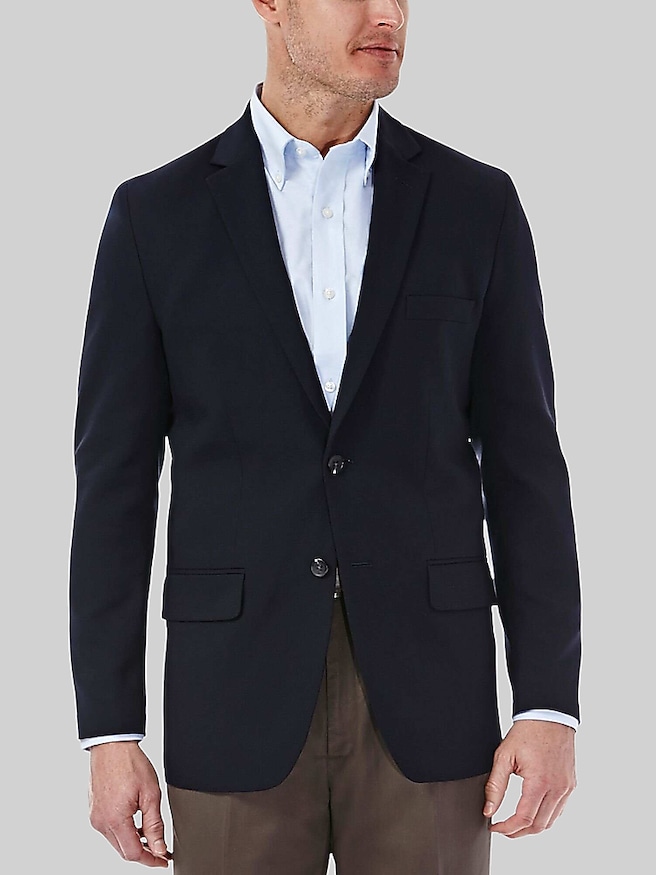
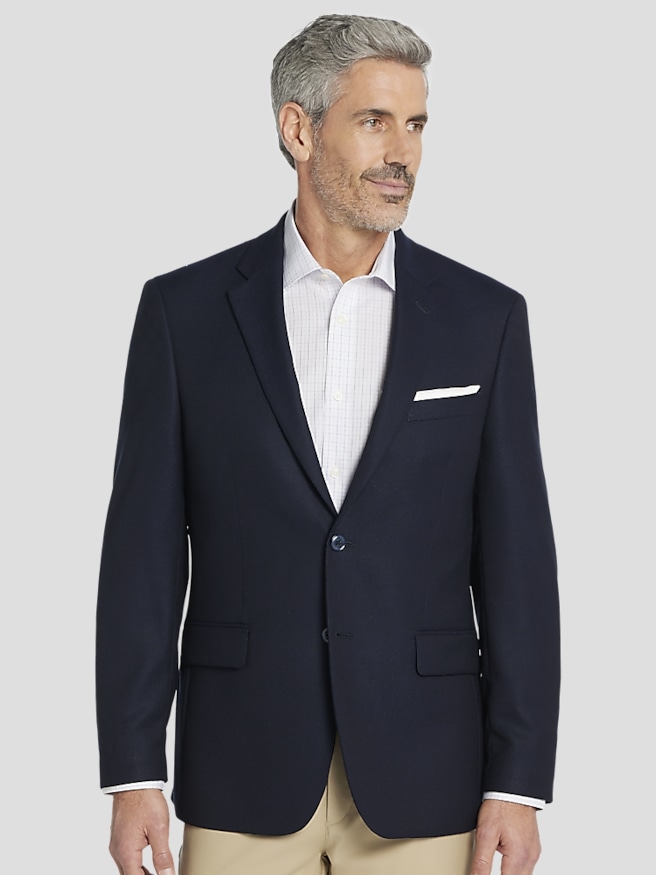
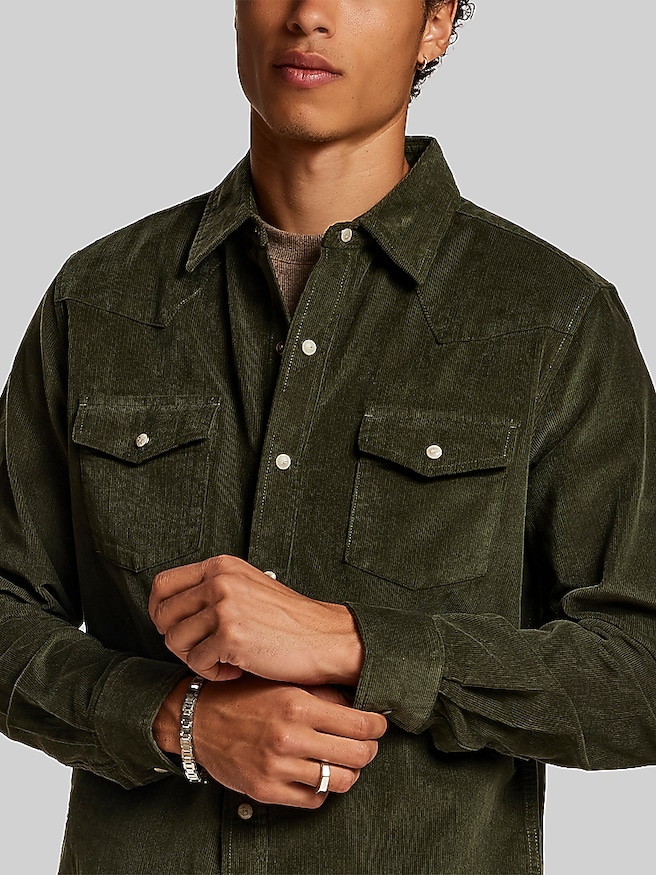
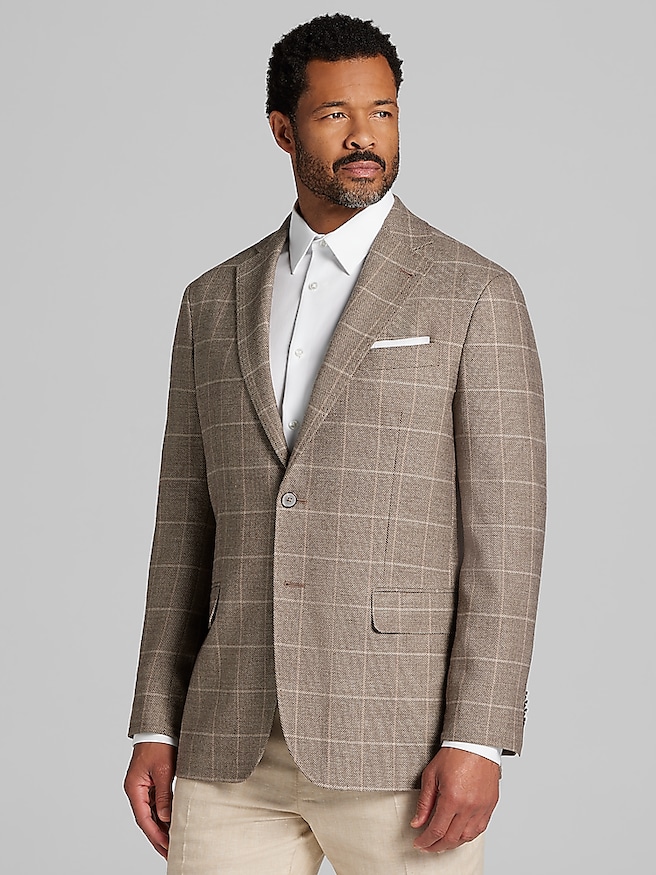
Men's corduroy coats are outer layers made from a woven fabric with raised vertical ribs, known as wales, that give the surface its distinctive texture. Styles range from relaxed shirt jackets and practical utility coats to tailored designs with lapels and a more structured shape. That variety makes corduroy an appealing choice for everyday dressing: a casual coat can finish jeans and a knit shirt, while a tailored version can sit comfortably over an Oxford shirt and dress trousers. The fabric has depth without needing a bold pattern, and its softly ridged surface gives familiar colors a richer appearance. Brown, tan, olive, navy, and charcoal each offer a different direction, from earthy and relaxed to understated and polished. Wale width also influences the look. Fine-wale corduroy has narrower ribs and a relatively subtle texture, while wide-wale fabric makes the ridges more noticeable and gives a coat a substantial visual presence. Neither is automatically more formal; the cut, pockets, collar, and construction all contribute to the finished effect. Cotton is a common fiber in corduroy, although blends may include other fibers to influence stretch, weight, or ease of care. A small amount of stretch can help with movement, but the fabric still needs enough room through the shoulders and upper arms to feel comfortable. Lining matters, too. A smooth lining can help a coat slide over a shirt or sweater, while an unlined design may feel less structured. Insulation, when included, changes the coat's intended use, so the ribbed texture alone does not indicate how much warmth it provides. For an office with a relaxed dress code, a dinner out, or a weekend spent visiting friends, corduroy offers a useful middle ground between a sharply tailored dress coat and a purely functional outer layer.
The right fit lets a corduroy coat keep its shape without restricting the clothes underneath. On a tailored design with set-in sleeves, the shoulder seams should generally sit near the natural ends of the shoulders, and the chest should close without pulling the front into an X shape. Relaxed shirt-jacket and utility silhouettes may have a deliberately broader shoulder, so their proportions need to be judged according to the cut rather than against blazer rules. Sitting at a table, reaching for a steering wheel, and bending the elbows are useful tests of everyday comfort. A coat that feels fine over a thin T-shirt may fit quite differently over a sweater, especially through the upper back and sleeves. Sleeve length should leave the hands free, while the hem should suit both the wearer's proportions and the intended layers. Shorter shapes create a casual outline with jeans or chinos; longer designs offer more coverage and can balance fuller trousers. When a coat will be worn over a blazer, enough room and length help prevent the layers from bunching or peeking out awkwardly. Styling works best when the surrounding fabrics give corduroy's ribs room to stand out. A smooth cotton shirt, fine-gauge knit, or pair of flat-front chinos provides a quiet contrast. Dark denim gives a casual coat an easy foundation, while wool trousers can bring a lapelled style closer to office attire. For a coordinated textured look, Men's Corduroys offer another way to work the fabric into an outfit. Separate corduroy pieces do not need to match, but a clear difference in color or wale width helps an intentional combination look distinct from an almost-matching suit. Footwear can carry the outfit in either direction: leather boots reinforce a utility-inspired shape, loafers complement a tailored coat, and simple sneakers keep an unstructured layer relaxed. Small choices such as a crisp shirt collar or a neatly finished trouser hem can make the overall combination feel considered without making it formal.
Corduroy's lasting appeal comes partly from the way its texture develops character with wear, though durability depends on fabric weight, construction, fit, and care rather than rib size alone. A dense fabric and neatly finished seams can support repeated use, while stress at tight elbows, pocket corners, and closures can shorten a coat's useful life. Pockets deserve practical consideration beyond appearance: comfortable hand pockets serve a different purpose from small chest pockets, and carrying heavy objects can distort the shape of either. The raised pile also benefits from gentle handling. Repeated friction at cuffs, elbows, or the edges of a bag strap may flatten the ribs, creating areas that reflect light differently. That variation can be part of a lived-in look, but harsh scrubbing can make it more pronounced. The care label should determine whether a coat can be washed or needs professional cleaning, particularly when it has a structured front, lining, or mixed-material trim. For washable designs, following the specified water temperature and drying method helps protect both the fabric and the fit. A soft clothing brush, used gently along the direction of the ribs, can help lift loose surface dust; stubborn marks need treatment appropriate to the fabric rather than aggressive rubbing. Direct pressure from a hot iron may crush the pile, so any pressing or steaming should follow the garment's care directions. Between wears, a supportive hanger helps maintain the shoulders, and enough space in the closet keeps the surface from being tightly compressed. These details also make a corduroy coat a thoughtful gift for someone who appreciates textured fabrics and clothing with a relaxed, familiar feel. A preferred jacket can provide useful clues about shoulder width, sleeve length, and overall shape, while the recipient's usual shirts and trousers suggest a compatible color. A successful choice fits naturally into the wearer's routine, whether that means an uncomplicated layer for daily errands or a tailored coat for dinners and casual workplace settings.