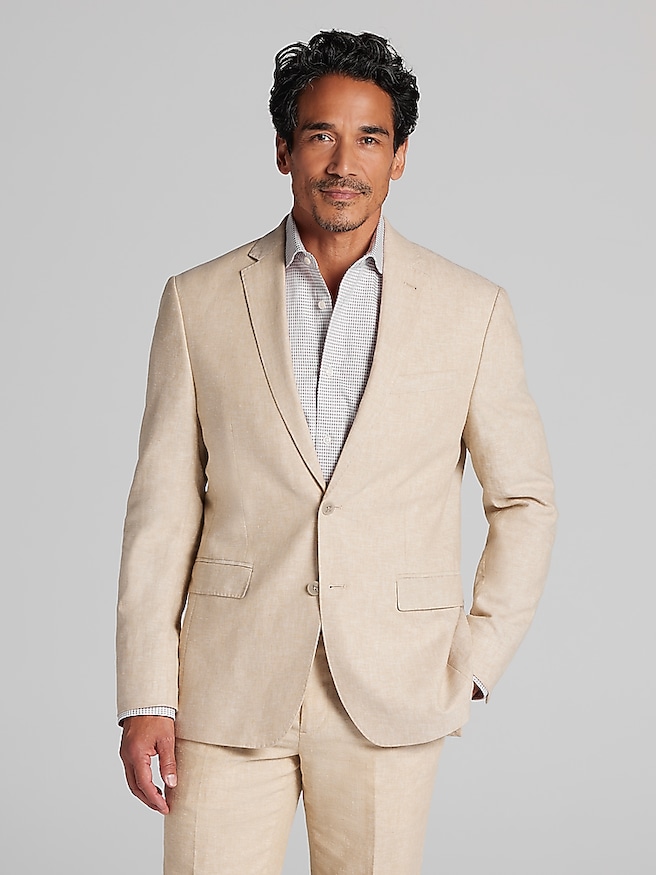
A men's coordinated evening suit set brings together a jacket and matching trousers, sometimes with a coordinating vest, to create a cohesive foundation for dressed-up occasions. The defining feature is visual consistency: fabric, color, and tailoring work together rather than looking like separate pieces assembled at the last minute. Matching pieces also help avoid subtle differences in black or navy that can become noticeable under ballroom lighting or in photographs. Accessories and shirts are not necessarily part of a set, so the meaning of coordinated refers primarily to the relationship between the tailored pieces. For weddings, evening receptions, anniversary dinners, and formal celebrations, that consistency gives the outfit a composed appearance without requiring elaborate styling. A two-piece configuration keeps the silhouette straightforward, while a three-piece configuration adds a vest that maintains a finished look when the jacket comes off. Evening suits and tuxedos share that coordinated approach, but they serve distinct dress codes. A suit generally has lapels in the same fabric as the jacket, while a tuxedo typically features satin or grosgrain facing on the lapels and may have a matching stripe along the trousers. A dark suit can work well for cocktail attire and many black-tie-optional occasions; an invitation specifying black tie calls for a tuxedo. Black offers a crisp, formal foundation, midnight blue provides depth under artificial light, and charcoal brings a slightly softer alternative for occasions where a suit is appropriate. Surface texture matters, too. A smooth, understated weave creates a clean backdrop for a dress shirt and tie, while a subtle tonal pattern adds interest without competing with the overall silhouette. Peak lapels tend to give the chest a more pronounced frame, notch lapels have a familiar tailored appearance, and shawl collars are closely associated with tuxedo styling. The most useful choice reflects the event's level of formality and the wearer's personal style rather than relying on decorative details alone.
Fabric and fit shape how a coordinated evening suit looks and feels over several hours of sitting, standing, dining, and dancing. Wool is valued in tailoring for its drape, breathability, and ability to recover from light creasing, although performance varies with the weave and construction. Wool blends can combine those qualities with added resilience or stretch, while synthetic blends may offer dependable shape retention and straightforward upkeep according to the care label. A small amount of stretch can make movement easier, but it does not replace sufficient room through the shoulders, seat, and thighs. Smooth linings help a jacket slide over a dress shirt, and thoughtful interior construction supports the chest and lapels without making the garment feel rigid. Fabric weight also influences the silhouette: a cloth with some body can fall cleanly through the trousers, while an especially fluid fabric may reveal more of the shape underneath. A well-fitting jacket rests neatly across the shoulders, with the collar sitting close to the shirt collar rather than leaving a visible gap. When buttoned, the front should lie relatively smooth instead of pulling into an X-shaped crease. Sleeves generally allow a small amount of shirt cuff to show, creating a deliberate transition between jacket and hand. Slim fits follow the body more closely, while roomier cuts allow additional space through the torso and legs; neither needs to look oversized or feel restrictive. Trousers should stay comfortably in place at the intended waist position and hang without pronounced pulling across the pockets. A shorter hem produces little or no break over the shoe, while a modest break creates a more traditional finish. With a vest, a close fit through the torso helps prevent billowing, and sufficient length keeps the shirt from showing between the vest and waistband. These relationships matter most in ordinary moments: reaching across a dinner table, sitting through a ceremony, or stepping onto the dance floor.
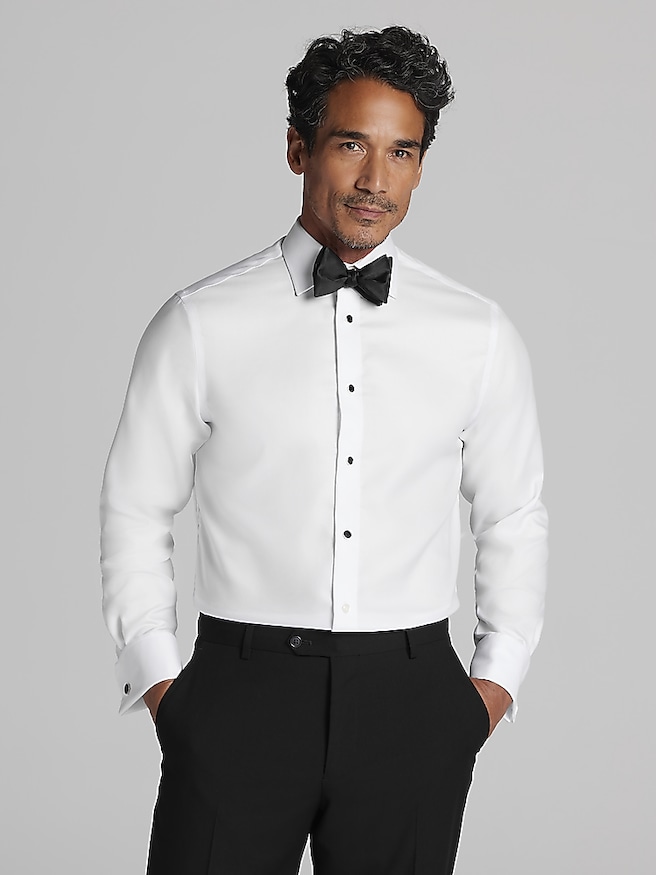
Shirts, neckwear, and shoes complete the coordinated effect without needing to repeat every detail. A white dress shirt gives dark tailoring a crisp contrast, while a restrained tie and pocket square can add color without turning the outfit into an exact-match arrangement. A pocket square that picks up one tone from the tie often feels more considered than identical fabric in both places. Tuxedo styling generally calls for a formal shirt, a bow tie, and appropriately formal footwear, with the invitation and event setting shaping the final choices. Smooth leather dress shoes suit many evening occasions, while highly polished formal shoes complement traditional black-tie dressing. Accessories work best when their finishes feel intentional, whether that means understated cuff links or a clean, uncluttered shirt front. For a milestone school dance, Men's Homecoming Evening Suits bring the same emphasis on matching pieces, comfortable movement, and a polished appearance in photos. Coordinated evening attire can also make a meaningful gift for a graduate, a partner celebrating an achievement, or someone building a wardrobe for formal invitations, particularly when measurements and preferred fit are known. Long-term appearance depends as much on care as on the initial fit. Following each garment's care label helps protect its fabric, lining, and trim; many tailored pieces require professional cleaning rather than machine washing. Cleaning matching pieces together when needed can help limit uneven changes in color or finish. Between occasions, airing garments and gently brushing away surface dust can reduce unnecessary cleaning. A broad, shaped hanger supports the jacket's shoulders, while properly hung trousers are less likely to develop unwanted creases. Empty pockets before storage so their contents do not distort the fabric, and use a breathable garment bag to protect the set from dust. Small repairs to loose buttons or hems help keep the outfit ready for its next occasion, preserving the coordinated appearance that makes an evening suit set useful in the first place.