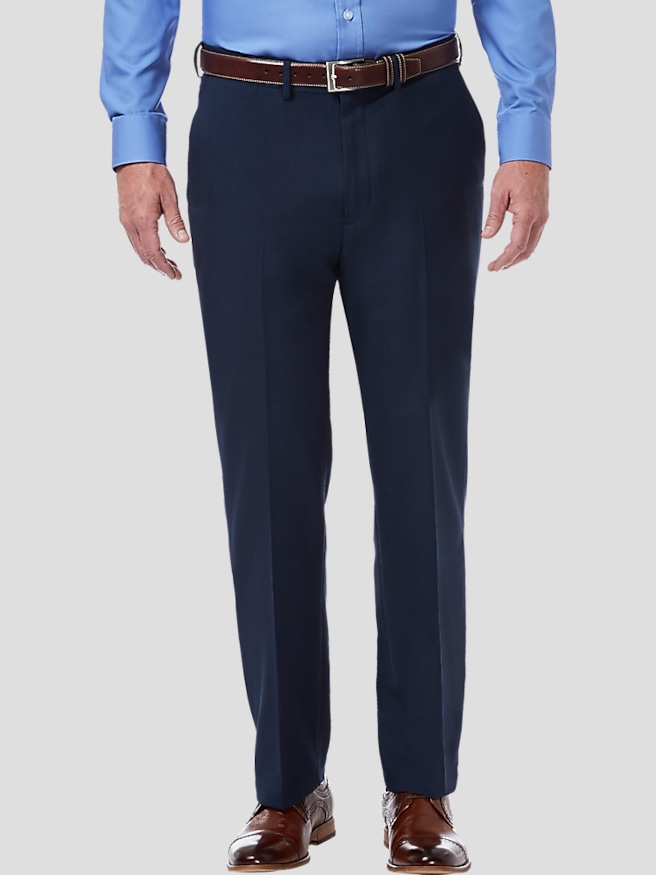
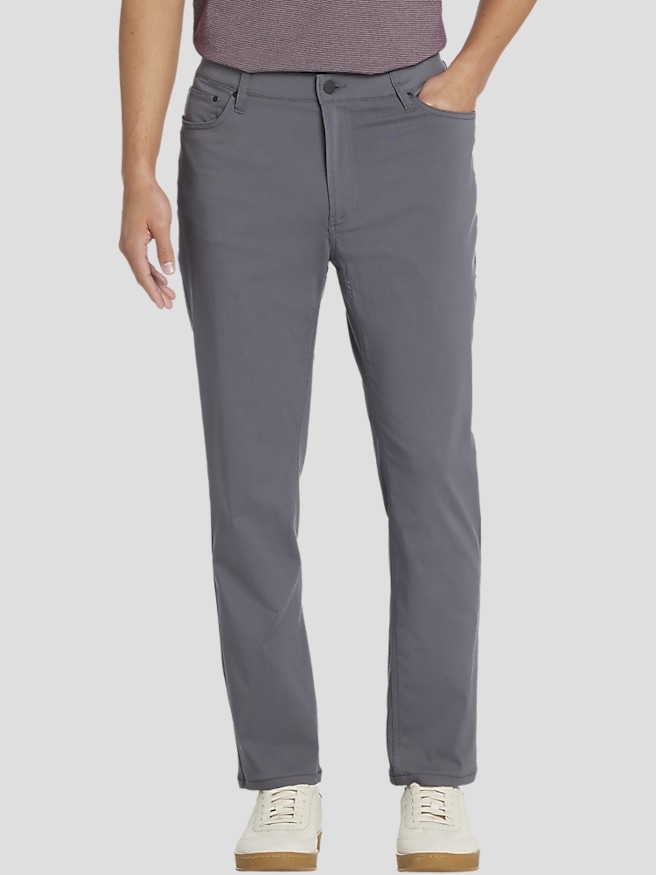
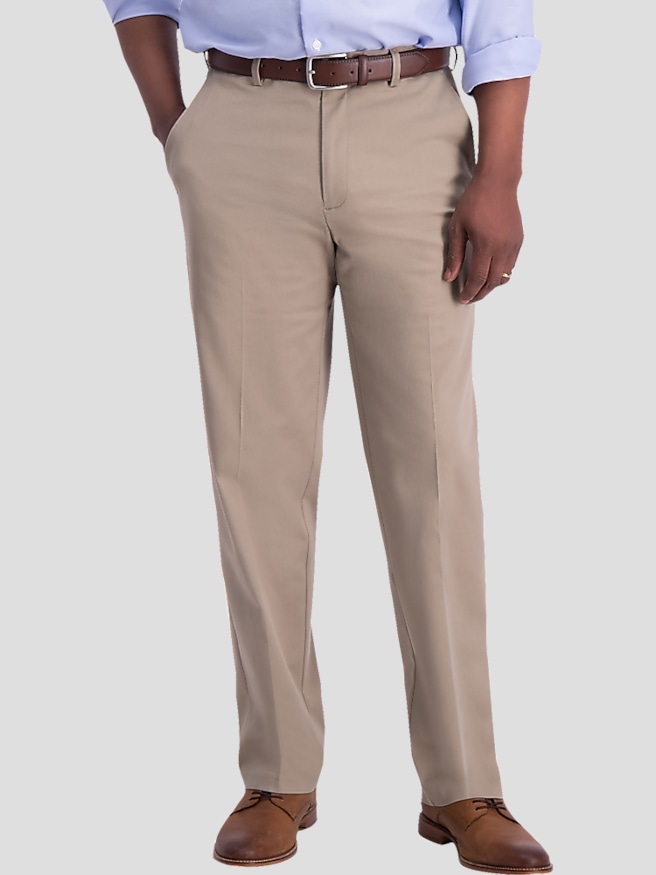
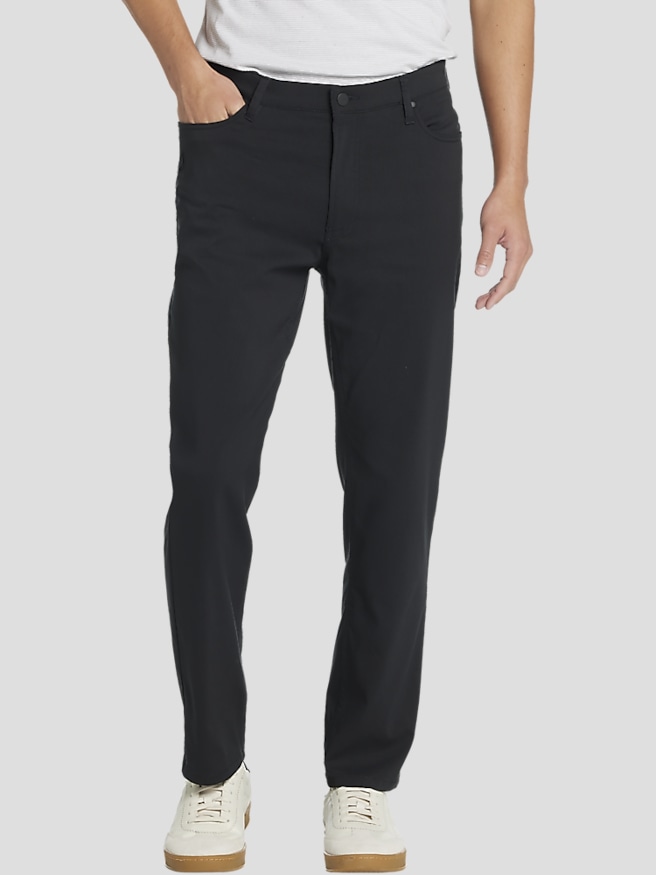
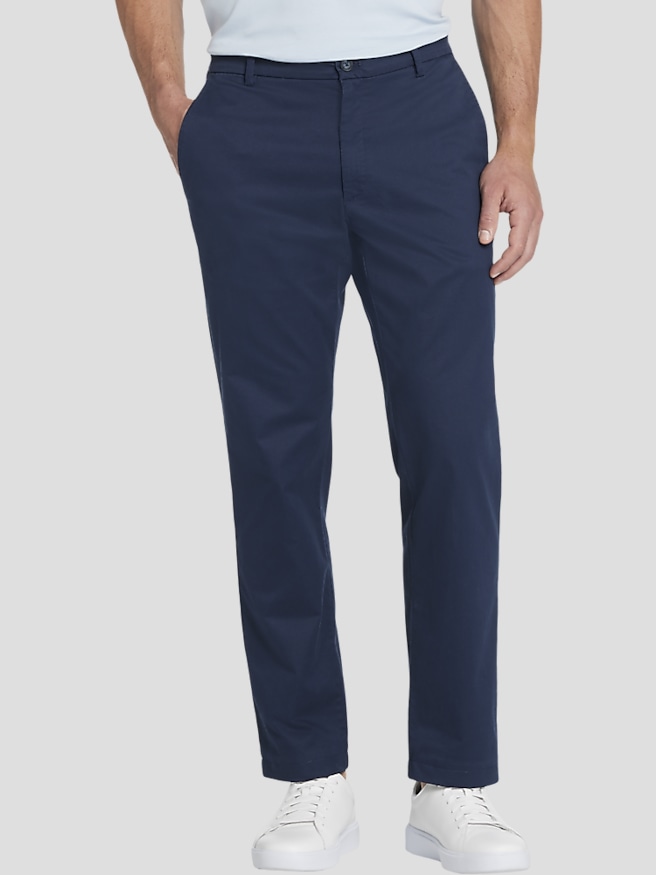
Men’s comfortable pants bring together an easy feel, room to move, and a shape that suits the way the day unfolds. Comfort means something slightly different at a desk, on a long flight, or over a relaxed dinner, but the fundamentals stay the same: fabric that feels good against the skin, a waistband that sits comfortably, and enough space through the seat and thighs to sit without pulling. Stretch chinos offer the familiar texture of cotton twill with added flexibility, making them a natural choice for business-casual offices and everyday plans. Comfortable dress pants provide a more tailored appearance for presentations, celebrations, and evenings that call for a tucked-in shirt. Five-pocket pants have a casual pocket layout that works easily with polos and untucked button-downs, while knit pants and joggers lean toward downtime and informal settings. The most comfortable option is not necessarily the loosest; excess fabric can bunch at the waist or gather behind the knees, just as a narrow cut can restrict movement. A balanced fit leaves room where it matters without losing a clean line down the leg. Straight-leg shapes offer a consistent silhouette, tapered cuts narrow toward the ankle, and relaxed fits provide additional ease through the upper leg. Someone who spends hours seated may appreciate a little extra room through the hips, while someone moving between meetings and a commute may prefer a streamlined shape with stretch. Neutral shades such as navy, gray, khaki, and black make comfortable pants easy to pair with existing shirts, sweaters, and shoes. A smooth-front pair can look polished with a belt and leather loafers, then feel equally appropriate with a simple knit shirt and clean sneakers. That versatility makes comfort-focused pants useful for men building a work wardrobe, simplifying their everyday rotation, or replacing trousers that look right but never feel quite right. The goal is clothing that supports ordinary movement without needing constant adjustment throughout the day.
Fabric and construction account for much of that easy wear. Cotton has a familiar, soft hand, and cotton twill adds a subtle diagonal texture that gives chinos their recognizable character. A small amount of elastane or spandex can help a woven fabric flex when sitting, bending, or climbing stairs, though stretch alone does not guarantee a comfortable fit. Fabric weight, weave, and the cut of the pants all affect how they feel in motion. Polyester and nylon blends may contribute strength, shape retention, or faster drying, depending on their construction and finish. For a more streamlined look with movement-focused details, men’s tech pants connect the appearance of everyday trousers with performance-oriented fabrics. Features such as moisture management, wrinkle resistance, and multidirectional stretch vary by garment, so the stated fabric properties matter more than a general category name. Knit fabrics naturally offer a softer drape and flexible feel, while woven fabrics often hold a more defined silhouette. Wool-blend trousers can provide fluid drape and a refined surface for dressier settings, with comfort influenced by the weave, lining, and overall fit. Inside construction deserves attention, too: smooth pocket bags, neatly finished seams, and a comfortable waistband help reduce distractions during extended wear. An elasticized section can add flexibility at the waist, while a drawstring allows adjustment in more casual designs. Neither feature replaces sufficient room through the seat and thighs. Rise also changes the experience, determining where the waistband rests and how much space there is between the waist and crotch. A waistband should stay in place without pressing sharply into the body when seated. Pockets should lie reasonably flat rather than flare open, and the front should remain smooth instead of showing persistent horizontal pulling. At the hem, a clean finish keeps fabric from collecting around the shoes. These details distinguish pants that simply feel soft on a hanger from pants that remain comfortable through a full schedule.
Everyday usefulness also depends on how well comfortable pants hold up to repeated wear and care. Durable fabric, secure stitching, and reinforced stress points can help trousers withstand regular movement, especially around pocket openings, belt loops, and seams. Stretch recovery matters as much as initial flexibility: fabric that returns toward its original shape is less likely to develop a baggy appearance at the knees and seat. Care needs vary, with some pants suited to machine washing and others requiring professional cleaning or a more delicate routine. Following the care label helps protect the fabric, finish, and fit; excessive dryer heat can affect some stretch fibers and may contribute to shrinkage in certain fabrics. Emptying pockets before laundering, treating marks according to care instructions, and avoiding an overloaded washer help reduce unnecessary wear. Hanging or folding pants promptly can also limit deep creases, although wrinkle-resistant fabric should not be confused with fabric that never needs attention. For frequent travel, an easy-care pair with useful pockets and a waistband comfortable enough for several hours seated can simplify getting dressed away from home. For an office routine, smooth fabric and a tidy hem keep an outfit composed even when the cut allows extra movement. For an afternoon of errands followed by dinner, stretch chinos or understated five-pocket styles offer a practical middle ground between dress trousers and lounge pants. Pocket placement can make a noticeable difference in these settings: a bulky wallet at the back or an overfilled front pocket can interfere with comfort regardless of how well the pants fit. Comfortable pants can also be a thoughtful gift for a dad, partner, brother, or friend, particularly when the recipient’s usual waist size, inseam, and preferred silhouette are known. Familiar colors and care requirements that suit an established routine make the choice more personal and useful. Across workdays, travel, and time off, lasting comfort comes from the combination of appropriate fabric, balanced proportions, and details that make daily wear feel uncomplicated.