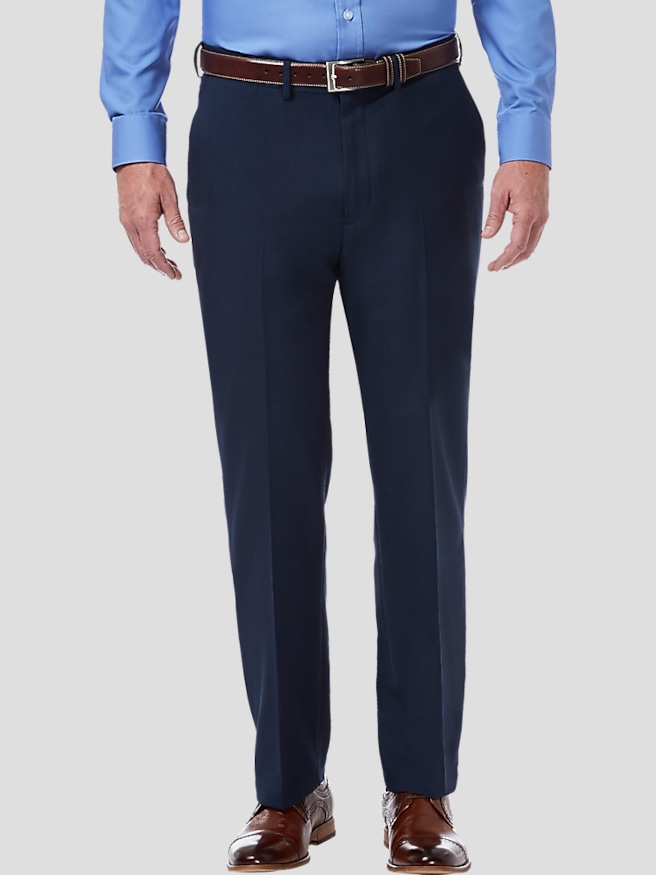
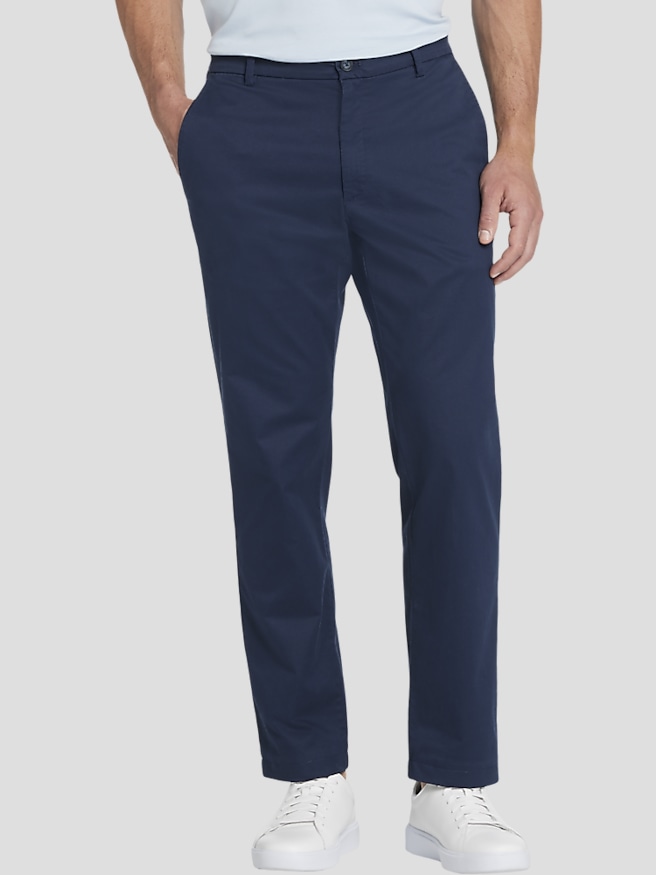
Men's comfort shorts combine an easy fit with fabrics that feel good against the skin and allow natural movement. Common styles include soft knit shorts, fleece shorts, stretch chinos, and lightweight woven shorts, each suited to a slightly different routine. Knit fabrics flex through their construction, making them a comfortable choice for relaxing at home, taking a neighborhood walk, or settling in for a long drive. Fleece adds a plush feel, while French terry typically has a smoother face and small loops on the inside. Cotton offers softness and breathability; cotton blends can add stretch, improve shape retention, or reduce drying time, depending on their composition. Performance fabrics may offer moisture management or quick-drying properties, but those benefits depend on the fabric and finish rather than the appearance of the shorts alone. For a more structured look, men's comfort stretch chino shorts bring together a woven finish and added flexibility, making them a natural match for polos, casual button-down shirts, and simple T-shirts. The distinction is less about choosing one style for every activity and more about matching the fabric to how the shorts will be worn. A soft pair for reading on the couch serves a different purpose than a pair intended for an afternoon of walking, lunch with friends, and a few stops around town. Smooth interior seams, a waistband that stays comfortable while seated, and enough room through the seat and thighs can matter as much as fabric softness. A brushed surface may feel inviting at first touch, but lasting comfort also depends on how the shorts move, whether the waistband stays in place, and how the fabric feels after several hours. Fabric weight is another useful consideration: a substantial knit can provide coverage and a relaxed drape, while a lighter woven construction may feel less bulky when sitting or packing a bag. Neither is automatically more comfortable; the better choice supports the intended activity without unnecessary weight or restriction.
Fit makes the biggest difference when shorts need to work beyond the sofa. The waistband should sit securely without pinching, and the seat should have enough room to sit comfortably without pulling across the back. Through the thighs, look for space to walk, climb stairs, and bend down to tie shoes without the leg openings catching or riding up excessively. Stretch can help with movement, but it should complement the fit rather than compensate for a cut that is too tight. A fabric with good recovery returns toward its original shape after movement instead of staying stretched at the knees or seat. Elastic waistbands offer flexibility, while drawstrings allow more adjustment; a flat front can create a cleaner appearance with an untucked polo or a neatly fitted tee. Inseam length changes both coverage and proportion. A shorter inseam leaves more of the thigh exposed, while a longer inseam generally brings the hem closer to the knee. The same inseam can land differently depending on height, rise, and leg length, so measurements are more useful than relying on a style description alone. Leg opening matters, too: an overly narrow opening can restrict movement, while excessive width may create more volume than intended. Pockets deserve a practical check, especially for anyone who carries a phone, wallet, and keys. Deep pockets can help contain essentials, but heavily loaded pockets may pull on soft fabric or distort the silhouette. Secure closures can be useful for travel and active outings when included in the design. For a gift, an adjustable waistband offers some flexibility, though a familiar waist measurement and preferred inseam are still helpful. A father who enjoys long walks, a partner who favors relaxed weekend clothing, or a friend who works from home may each appreciate comfort shorts, but their preferred fabric and level of structure can vary. Starting with the recipient's usual fit and daily habits makes the choice more personal than simply choosing the softest fabric.
Care and construction help determine whether comfortable shorts remain a dependable part of a casual wardrobe. Always follow the garment's care label, since cotton knits, stretch blends, and performance fabrics can have different washing and drying requirements. Excessive heat can shrink some fabrics and weaken elastic fibers over time, so a gentler drying method may be appropriate when the label permits it. Turning shorts inside out before washing can help limit surface abrasion, and closing zippers can reduce snagging against other clothing. Moisture-managing fabrics may require avoiding fabric softener to preserve their intended performance; the care instructions provide the best direction. Emptying pockets before washing also helps protect both the garment and anything left inside. Beyond care, look at construction details such as even stitching, neatly finished seams, and reinforcement around pocket openings or other areas that receive repeated stress. A waistband should lie smoothly, and closures should operate without tugging or catching. Some surface wear is normal with repeated use, particularly where fabric rubs against a chair, bag, or itself, but thoughtful laundering can help preserve the finish. For everyday dressing, neutral shades make comfort shorts easy to combine with clothing already in rotation. A plain tee and clean sneakers create a relaxed outfit for errands, while a polo and understated casual shoes give a woven pair a more put-together feel for an informal meal. A balanced silhouette helps: fuller shorts often work well with a top that does not add excessive volume, while a straighter cut can sit neatly beneath a relaxed shirt. Comfort shorts are best suited to settings where casual clothing is appropriate, with fabric and finish helping determine how relaxed the outfit looks. Whether the day includes a road trip, time at home, or several hours on foot, the most useful pair offers comfortable movement, practical details, and care requirements that fit an everyday routine.