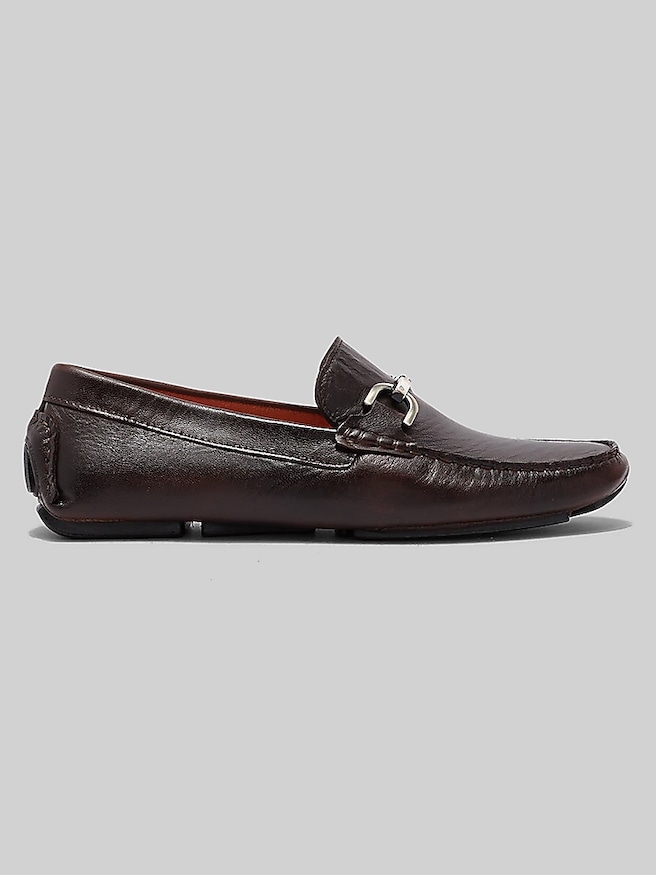
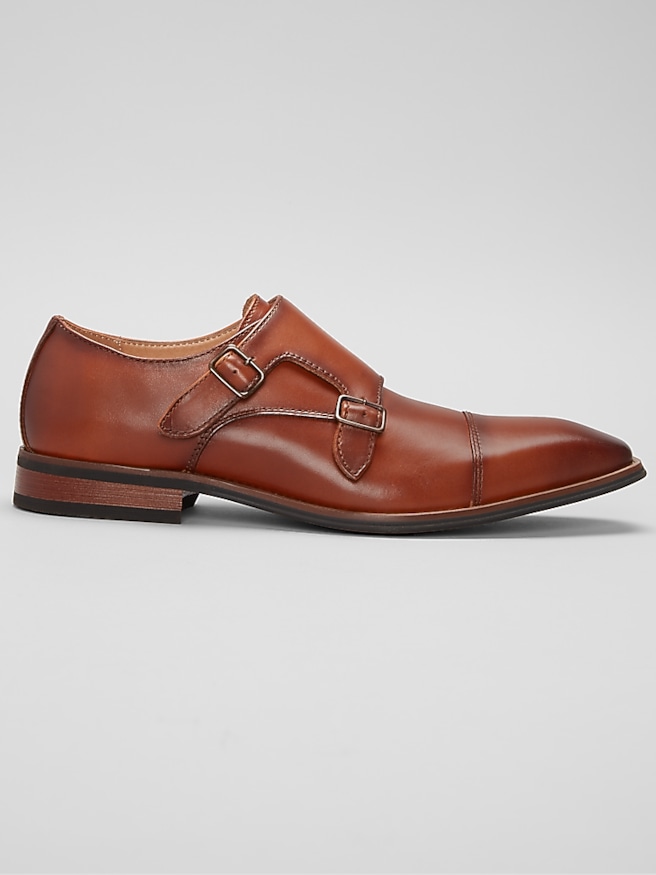
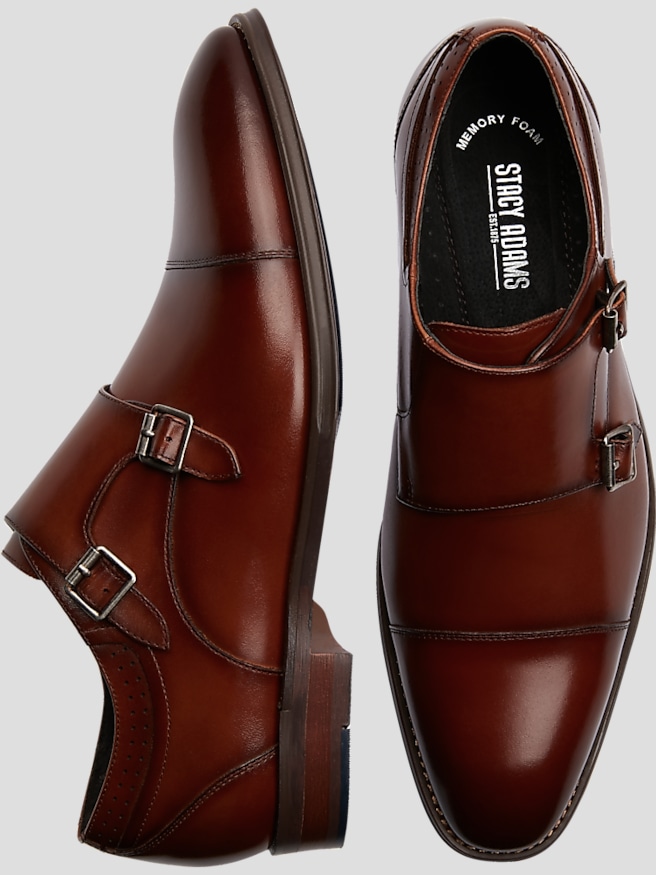
Men's classic shoes bring lasting structure to a wardrobe, whether the occasion calls for a business suit, a sport coat and chinos, or polished everyday clothing. Their appeal comes from balanced proportions, familiar silhouettes, and details that complement an outfit rather than compete with it. Oxfords, derbies, and loafers form the foundation of classic men's footwear, with each style offering a distinct level of formality. An oxford has closed lacing, with the lace tabs stitched beneath the front section of the shoe, creating a neat profile that works especially well with tailored trousers and suits. A plain-toe or cap-toe oxford keeps the look restrained for an interview, a client meeting, or a wedding ceremony. Black patent leather oxfords are a traditional option with a tuxedo for black-tie occasions. Derbies have open lacing, with the lace tabs attached on top of the front section, giving them a slightly more relaxed appearance and greater flexibility across the instep. They sit comfortably alongside business separates, chinos, and dark denim when the setting permits. Loafers offer a slip-on alternative, ranging from understated penny styles to tassel designs with more decorative character. A sleek leather loafer can complement tailored clothing, while a softer suede version feels at home with casual trousers. Monk-strap shoes provide another classic option, replacing laces with one or two buckles for a distinctive but established look. Broguing, the decorative perforations found on some dress shoes, adds visual texture; a wingtip describes the sweeping W-shaped toe design rather than the lacing construction. In general, fewer decorative details and a sleeker shape create a more formal impression, though material and overall design also matter. Black leather pairs naturally with charcoal, navy, and black tailoring, while dark brown offers a versatile complement to navy, gray, olive, and earth tones. For casual settings, a clean, minimal leather sneaker can round out a classic shoe wardrobe without taking the place of dress footwear where a formal dress code applies.
Materials and construction influence how men's classic shoes feel, wear, and develop character over time. Full-grain leather retains the hide's natural surface and can develop a rich patina with regular wear and appropriate care. Its appearance may include subtle variations in grain, which are part of the material rather than necessarily a flaw. Smooth leather provides a crisp finish that is easy to coordinate with tailored clothing, while suede brings a softer texture and a more relaxed visual effect. Neither material determines comfort on its own: the shoe's shape, lining, footbed, and sole all contribute to the experience. A leather sole offers a traditional appearance and can become more flexible with wear; a rubber sole generally provides more traction, although grip varies with the surface and tread design. Welted construction can make resoling possible, depending on the shoe's condition and design, while some cemented shoes emphasize lighter weight and flexibility. No single construction method guarantees a comfortable fit or a particular lifespan. Fit begins with enough space for the toes to rest naturally, a secure heel, and a broad forefoot area that does not squeeze the foot's widest point. The upper should hold the foot without sharp pressure across the instep, and the shoe should bend near the ball of the foot rather than force the toes into an unnatural position. Leather may soften and conform slightly, but a painful shoe should not be expected to become the right size through wear. For someone who spends a workday moving between a desk, meeting rooms, and sidewalks, underfoot support and a stable heel matter as much as a refined profile. Trying shoes with the socks intended for them helps reveal the actual fit, especially when moving between thin dress socks and thicker casual options. Both feet deserve attention because small differences in size are common. A wedding guest facing several hours of standing, for example, benefits from a secure fit and comfortable flex rather than choosing by appearance alone.
Consistent care helps classic leather shoes retain their shape, finish, and usefulness. Dust and surface grit can dull leather and contribute to abrasion, so a soft brush or clean cloth is useful after ordinary wear. Smooth leather generally benefits from occasional conditioning with a suitable product, followed by cream or wax polish when appropriate for the finish. Conditioner helps maintain suppleness, cream polish can refresh color, and wax adds shine and a light protective layer; excessive product can leave buildup rather than improve the leather. Suede needs its own brush and compatible care products instead of conventional shoe polish, while patent leather calls for cleaning methods intended for its glossy surface. Manufacturer care directions remain important because coatings, colors, and specialty finishes respond differently. Allowing leather shoes to rest between wears gives absorbed perspiration time to dissipate, and properly fitted cedar shoe trees help support the shape and absorb some moisture. Shoes that become damp should dry naturally away from direct heat, with attention to the lining and sole as well as the upper. A shoehorn reduces strain on the heel counter, and loosening laces before removing lace-up shoes helps preserve their structure. Worn heel edges, thinning soles, and loose stitching are worth addressing before they affect the fit or cause more extensive damage. These practical habits matter for a first pair of professional shoes as much as for a well-established footwear wardrobe. Classic styles can also make a thoughtful gift for someone starting a new job, celebrating a graduation, or preparing for an important event, provided their size, preferred width, and everyday dress requirements are known. A recipient who wears suits regularly may value a restrained oxford, while someone whose routine centers on business-casual clothing may get more use from derbies or loafers. For a comparison with more contemporary silhouettes, Men's Modern Shoes offers a related style direction. The lasting value of classic footwear lies in that relationship between proportion, purpose, and comfort: shoes that look appropriate with familiar clothes and feel dependable through the occasions that fill an everyday wardrobe.