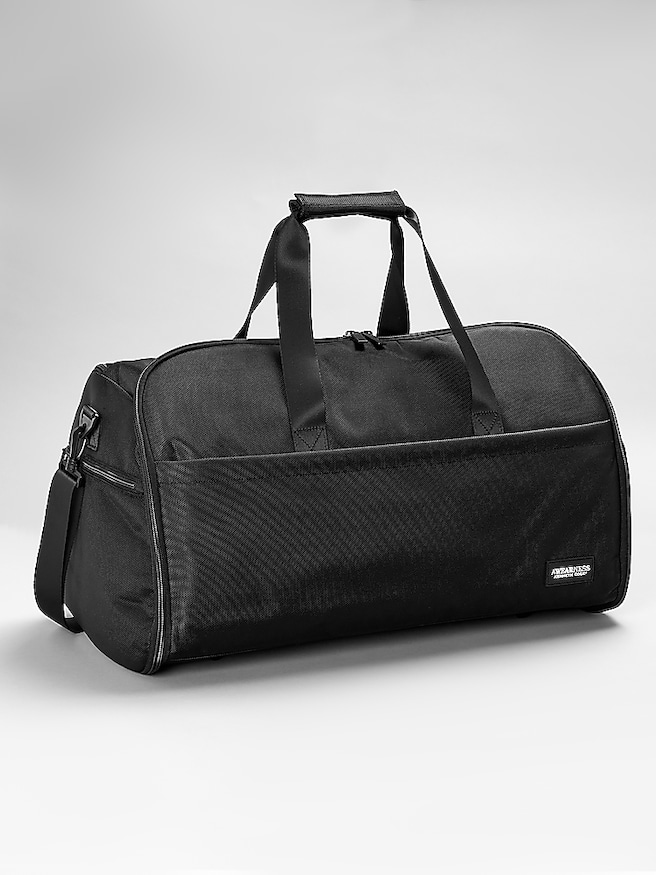
Men's city bags are everyday carry bags designed to keep work and personal essentials organized during commutes, errands, and trips across town. The category spans compact crossbody bags, sling bags, messenger bags, commuter totes, backpacks, and structured briefcases, with each shape serving a distinct purpose. A slim crossbody keeps a phone, keys, wallet, and transit pass close without filling jacket pockets, while a messenger bag provides a wider opening for documents and other work essentials. A structured briefcase has a polished profile that sits naturally beside tailored clothing; a streamlined backpack distributes a larger load across both shoulders. Open-top tote silhouettes emphasize easy access, though a secure closure is useful in crowded spaces. The most practical size depends on the daily load rather than the biggest possible capacity. Someone traveling with a laptop, charger, notebook, and lunch needs a more substantial interior than someone heading to an appointment with only a few essentials. A bag should accommodate those belongings without forcing the zipper around hard corners or leaving so much empty space that everything shifts to the bottom. For laptop carry, interior compartment measurements matter more than the bag's overall dimensions, especially when a protective sleeve adds bulk. Proportion also affects how comfortably a bag moves through a packed train car, a narrow coffee shop aisle, or an office lobby. A compact profile stays closer to the body, and an adjustable strap helps position the bag above the hip rather than against the thigh. Strap width and padding become more important as the load increases. When worn over a suit jacket, a heavily loaded shoulder bag can pull at the shoulder line, making a comfortable top handle useful for shorter walks. Simple shapes, restrained hardware, and balanced proportions allow a city bag to work with business attire, chinos, or denim without looking out of place. The result is an everyday accessory that supports a routine instead of adding another thing to manage.
Materials influence a city bag's appearance, weight, flexibility, and long-term care. Leather brings a substantial feel and can develop a distinctive patina with use, while its finish determines how visible scuffs and surface marks become. Smooth leather often looks more formal; pebbled textures can make minor marks less noticeable. Neither texture alone establishes quality, and a leather bag's durability also depends on construction, lining, hardware, and the stress placed on its handles and straps. Nylon and polyester can provide a lighter alternative for someone carrying the bag for long stretches, though fabric thickness, weave, and reinforcement affect how well a particular construction holds up. Canvas has a more casual character and enough body to suit relaxed totes and messenger shapes, with weight and stiffness varying by weave and treatment. Across materials, high-stress points deserve attention: handle bases, strap attachments, bottom corners, and zipper ends take repeated strain during everyday use. Even stitching, reinforced attachment points, and hardware that moves smoothly are useful construction details, while a stable base helps a bag retain its shape when set beside a desk. A lining makes the interior easier to navigate when its color contrasts with small belongings, and bound or neatly finished interior seams reduce exposed edges that can catch on accessories. Care should match the exact material and finish. Manufacturer instructions take priority over general leather or fabric advice, since a treatment suited to one surface may discolor another. Loose dust can often be removed with a soft cloth or brush, while deeper cleaning calls for an appropriate method and a discreet spot test. Leather conditioner is not suitable for every leather finish, and suede requires its own care approach. Bags should dry naturally away from direct heat after cleaning and be stored clean, empty, and supported enough to avoid deep creases. Keeping heavy objects from pressing against corners also helps preserve shape between uses.
Organization is most useful when it reflects what happens between leaving home and reaching the next destination. A phone pocket near the opening saves digging at a turnstile, a key attachment keeps keys from settling beneath a notebook, and a separate compartment can keep a charging cable from tangling around other belongings. Within the broader category of Men's Carry Bags, city-focused designs emphasize accessible storage without unnecessary bulk. More pockets are not automatically better: small divided sections work well for compact essentials, while a clear main compartment accommodates larger belongings more easily. A padded laptop section adds cushioning, but a secure fit matters because excess room allows movement. A bottle pocket is most useful when it holds the container upright and separates it from electronics and paperwork. For public transportation or busy sidewalks, zippered compartments and closures that sit close to the body help limit accidental openings and casual access; they do not make any bag theft-proof. Practical comfort also comes from how the interior is packed. Keeping heavier belongings near the back panel or close to the body reduces the sensation of a load pulling outward, and leaving frequently used essentials within easy reach means fewer stops to unpack. A bag for a student moving between campus and an internship may need space for study materials as well as office essentials, while someone visiting clients may prefer a narrower shape that slips beside a conference table. These habits also make city bags thoughtful gifts for a graduation, a new job, or a career milestone. The recipient's usual load, preferred carry style, and clothing are more useful reference points than an elaborate set of features. A neutral color and understated finish can make daily coordination straightforward, but the defining quality is usefulness: enough room for the necessary belongings, comfortable handling during the journey, and a shape that feels appropriate when the bag arrives at its destination.