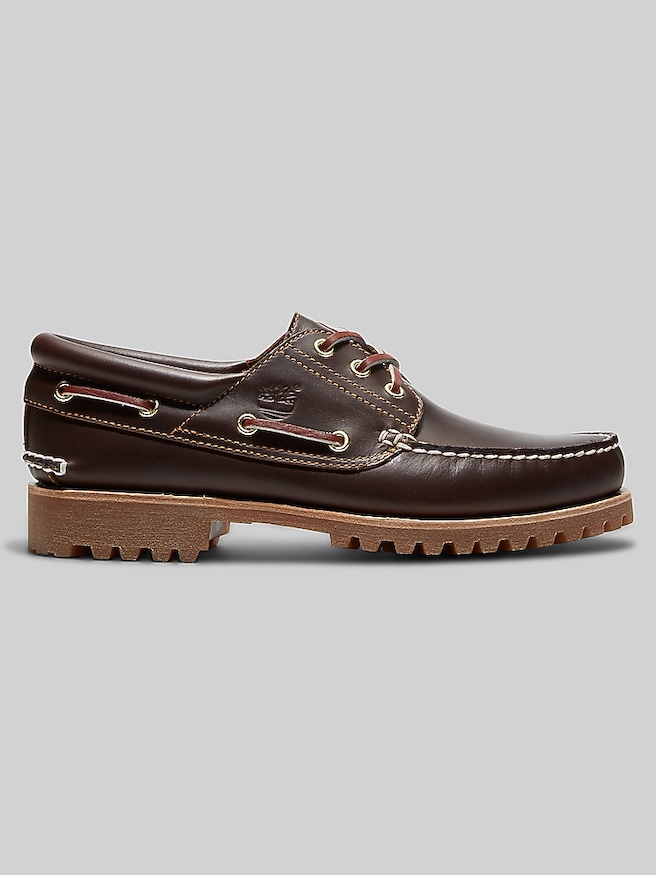
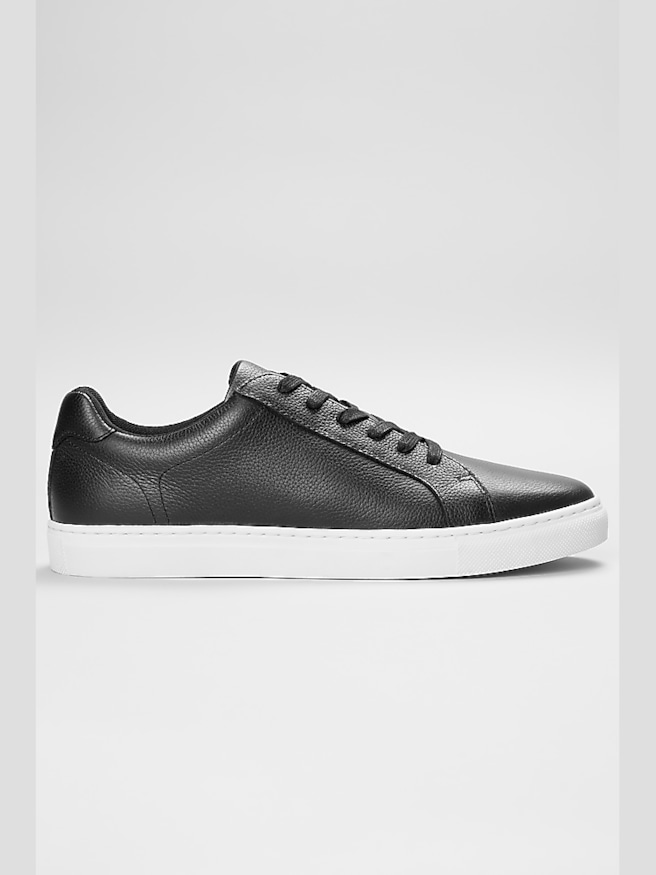
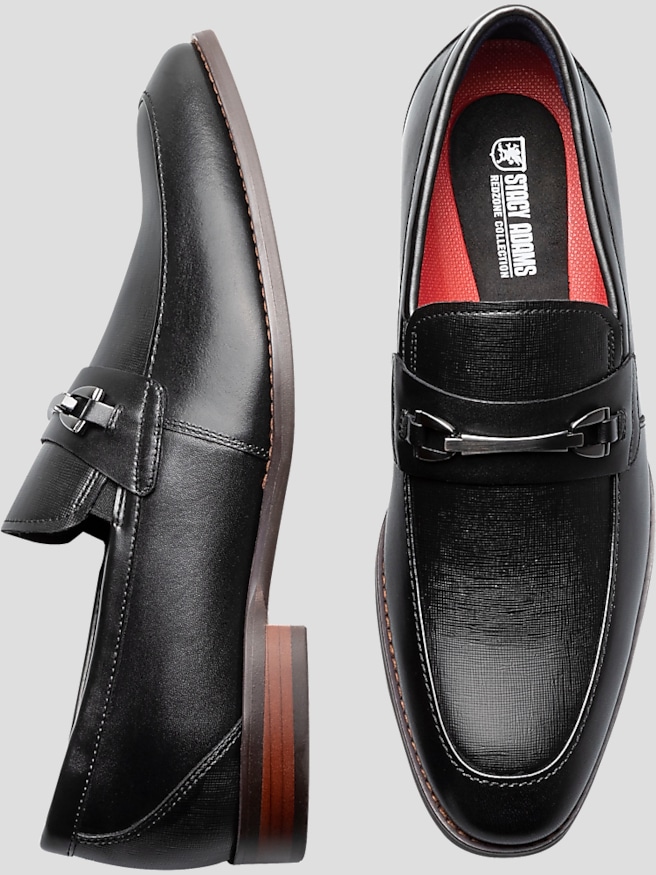
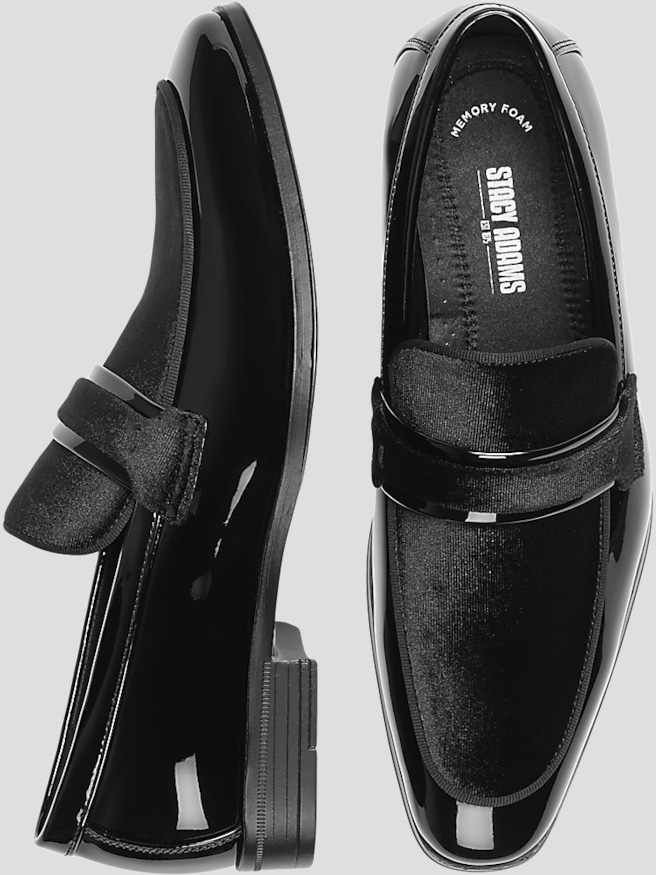
Men’s casual moccasin shoes combine a relaxed profile with flexible construction and a distinctive seam around the top of the foot. Often made as slip-ons, they sit comfortably between house footwear and more structured casual shoes, though their intended use depends on the sole, lining, and overall construction. Traditional moccasin construction wraps a soft material around the foot, while many modern versions pair a moccasin-style upper with a separate outsole for everyday wear. That distinction matters: a stitched toe alone does not indicate how flexible, supportive, or durable a shoe will feel. Smooth leather offers a clean finish that works well with chinos and dark denim, developing creases and character with repeated wear. Suede has a brushed, matte surface that gives the same silhouette a softer, more informal appearance. Neither material determines comfort on its own; leather thickness, seam placement, interior finishing, and the shape of the shoe all contribute. An unlined upper can feel supple and close-fitting, while a lined interior adds another layer between the foot and the exterior material. Underfoot, cushioning may soften contact with the ground, but a padded footbed is not necessarily a supportive one. Shoppers who prefer a defined arch or use an insert should look closely at the interior shape and whether the footbed is removable. Soft leather or suede soles are generally best suited to indoor lounging, whereas rubber outsoles provide a more practical contact surface for outdoor errands and casual outings. Rubber driving pods offer flexibility and grip at individual contact points, but they do not provide the same continuous coverage as a full outsole. The broader Men's Moccasins Shoes category brings this familiar stitched silhouette into focus, with material and construction details helping distinguish a relaxed indoor shoe from one intended for everyday casual use. Looking beyond the shared shape makes it easier to choose footwear that suits the way it will actually be worn.
The appeal of casual moccasins is how naturally they fit into an everyday wardrobe without making an outfit feel overly dressed. A low-profile pair with straight-leg jeans and a cotton polo looks appropriate for lunch with friends, a family gathering, or an afternoon spent browsing a bookstore. Smooth leather can bring a little more definition to chinos and an untucked button-down, while suede complements textured knits and casual trousers. Black, brown, and tan each create a different effect: black gives a sharper visual outline, brown blends easily with denim and earth tones, and tan makes stitching and surface texture more noticeable. A clean trouser hem keeps the shoe’s shape visible; excess fabric pooling over the upper can overwhelm its low silhouette. For a relaxed office where casual footwear is permitted, a restrained design can work alongside tailored separates, though moccasins are not a substitute for formal dress shoes when the occasion calls for them. Fit deserves as much attention as appearance, particularly because many slip-on designs offer little adjustment across the instep. The heel should feel secure without rubbing, the toes should have room to rest naturally, and the upper should hold the foot without pressing firmly across its widest point. Slight movement can occur in a flexible slip-on, but repeated heel lift or toes gripping to keep the shoe in place suggests a poor fit. Leather may soften with wear, yet a shoe that pinches or crowds the toes should not be chosen on the assumption that it will stretch enough. Trying moccasins with the socks intended for regular wear gives a more useful impression than trying them with a much thicker or thinner pair. Low-cut socks preserve the exposed-ankle appearance while adding a washable layer inside the shoe. For extended walking or long periods standing, sole coverage, cushioning, and stability deserve particular consideration; an easy slip-on shape does not automatically make a shoe suitable for miles of pavement.
Durability in men’s casual moccasins comes from the relationship between the upper, stitching, and outsole rather than from any single material claim. Even seams, neatly finished edges, and a secure connection between the upper and sole are useful details to examine. High-contact areas tell much of the story over time: the toe may brush against steps, the heel lining takes friction during entry, and the outsole wears wherever the wearer places the most pressure. A thin, highly flexible sole can feel pleasantly unobtrusive indoors but wear faster under frequent outdoor use than a more substantial outsole. Driving-style soles with exposed sections between rubber pods also leave portions of the underside more vulnerable to abrasion. Matching the construction to the routine helps set realistic expectations, whether that routine means quiet evenings at home, short errands, or casual social visits. Care should follow the material and the manufacturer’s directions. Smooth leather generally benefits from having surface dirt removed with a soft cloth, followed when needed by a compatible conditioner applied sparingly. Suede calls for a suede brush and a light touch that lifts the nap rather than flattening it; stubborn marks may require a cleaner specifically formulated for suede. Testing any treatment on an inconspicuous area helps avoid unwanted changes in color or finish. Saturating either material or placing shoes against direct heat can damage the upper, so gently cleaning and allowing them to dry naturally is preferable. Slipping shoes off by hand rather than stepping on the heels helps preserve their shape, and allowing the interior to air out between wears supports a fresher feel. Stored away from direct sunlight with enough space to avoid crushing the uppers, moccasins can retain their shape and finish longer. As a gift for a father, partner, friend, or graduate, they make the most sense when chosen around an established routine and known footwear preferences. Someone who enjoys soft indoor footwear may value flexibility above all else, while someone who favors slip-ons for outings may appreciate a full rubber outsole and a more structured footbed. Familiar sizing, preferred width, and usual sock thickness are more useful starting points than appearance alone.