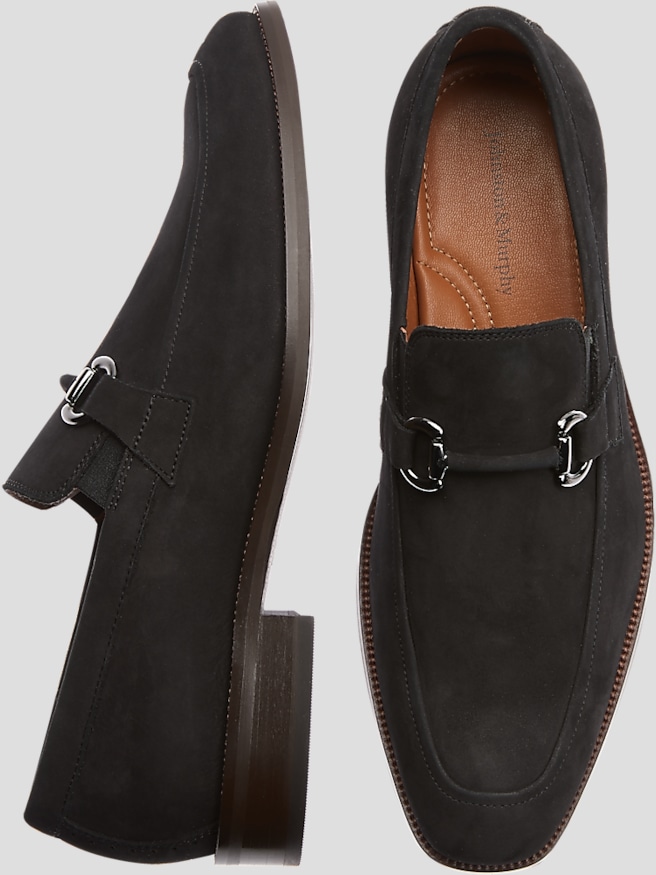
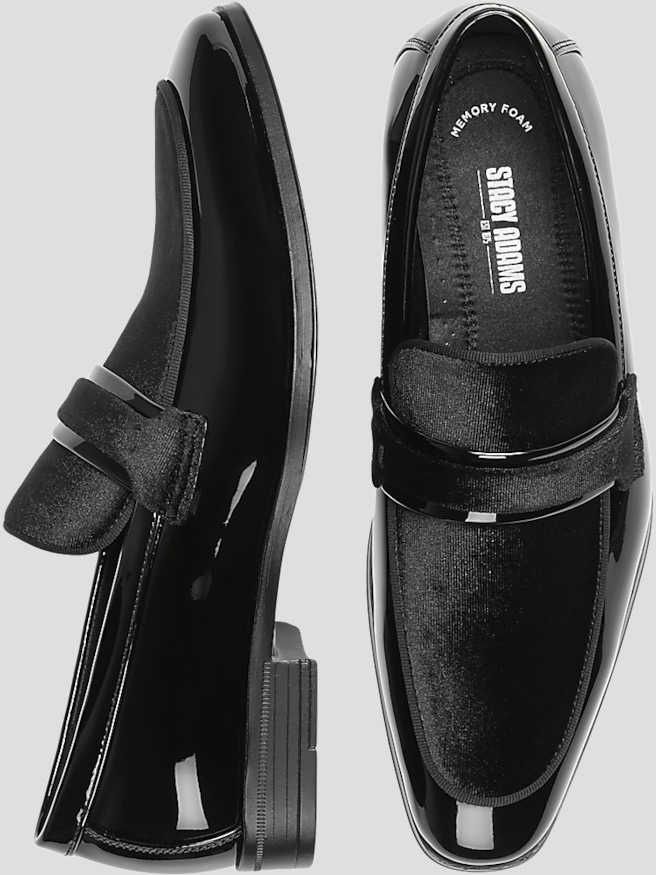
Men's casual brown loafers are slip-on shoes that sit comfortably between laid-back sneakers and more structured dress shoes. Their easy shape works with jeans and chinos, while brown leather or suede brings depth and texture to an outfit without making it feel overly formal. That balance makes them useful for a business-casual office, a dinner reservation, or a weekend gathering where athletic shoes would look too relaxed. Brown also offers a broad palette: lighter tan shades create a more noticeable contrast with navy trousers, medium brown pairs naturally with olive and khaki, and deep chocolate can give dark denim a cleaner, more understated finish. The shape and detailing matter as much as the color. Penny loafers have a distinctive strap across the upper and a familiar, restrained appearance; tassel loafers add movement and a slightly dressier touch; and pronounced apron stitching gives the toe a more textured look. A rounded toe and flexible construction generally feel more casual than a sleek, elongated profile. The appeal of Men's Brown Loafers is their ability to work with familiar clothes while making the overall outfit feel more considered. Picture straight-leg jeans with a clean hem, a tucked-in oxford shirt, and a woven belt in a complementary brown. For a less structured combination, a knit polo and tapered chinos keep the proportions neat without requiring a jacket. Trouser length helps establish the look: a hem that rests lightly near the top of the shoe shows its shape, while excess fabric can hide the details and make the outfit appear heavy. A belt does not need to match the shoes exactly, but similar depth and warmth usually create a more cohesive result. These are casual shoes with a polished edge, rather than a substitute for footwear required by a formal dress code.
Materials and construction influence how brown loafers look, feel, and hold their shape through regular use. Smooth leather can be wiped clean and, with suitable care, may develop subtle creases and a richer surface character over time. Suede has a soft, matte texture that looks especially natural beside denim, cotton twill, and textured knitwear. Nubuck offers a finely brushed surface with its own care requirements, so the material description matters more than color alone. Linings, seams, and the firmness of the heel also affect comfort; a soft upper is only part of the picture if an interior edge rubs or the toe area feels cramped. Because loafers have no laces to adjust, the fit across the instep deserves particular attention. A secure pair should hold the foot without squeezing it, leave room for the toes to move naturally, and avoid persistent heel lifting with each step. Some leather softens with wear, but a painfully tight fit should not be treated as a necessary breaking-in stage. Trying shoes with the type of socks intended for everyday wear gives a more useful impression of fit than trying them with an unfamiliar thickness. No-show socks can create a bare-ankle appearance with casual trousers, while fine-gauge socks offer coverage for office outfits and help manage friction inside the shoe. Underfoot, sole design changes the experience considerably. Rubber outsoles may provide flexibility and cushioning, although grip depends on the tread, compound, and walking surface. Leather soles often have a slimmer appearance but can feel firmer underfoot. Cushioning should support a comfortable stride without allowing the heel to slide around inside the shoe. For someone who walks between meetings or spends time standing at social gatherings, that combination of secure fit, appropriate cushioning, and a stable sole matters more than decorative details. Loafers suit everyday walking and casual occasions, but they are not designed to replace athletic footwear for exercise.
The useful life of casual brown loafers depends on both their construction and the attention they receive between wears. Even stitching, neatly finished edges, and a well-attached sole are worthwhile details to examine, though a visible stitched border alone does not establish how a shoe was made. Care should follow the material and the maker's directions rather than a single routine applied to every pair. Smooth leather generally benefits from removing surface dust before using a suitable cleaner or conditioner, and any polish should be compatible with the finish and shade. Too much dark polish can alter a lighter brown, so a small test in an inconspicuous area helps avoid an uneven result. Suede and nubuck call for appropriate brushes and cleaning products instead of standard leather cream, which can flatten the nap or change the appearance. Clean, dry storage away from direct heat helps protect the shape and surface, while properly sized shoe trees can support leather uppers between wears. Giving shoes time to air out also helps manage moisture left by everyday use. Wear at the heel or outsole deserves attention before it becomes pronounced; whether a sole can be repaired or replaced depends on the shoe's construction. These practical details are especially relevant for a pair intended to move regularly between the office, restaurants, and casual celebrations. Brown loafers can also make a thoughtful birthday or personal-milestone gift for someone who prefers understated clothing and shoes that coordinate with several outfits. The recipient's usual size, width, preferred toe shape, and comfort needs are more useful clues than appearance alone, since a slip-on fit leaves less room for adjustment. For everyday dressing, their lasting appeal comes from that combination of straightforward design and versatility: enough refinement for a collared shirt and tailored trousers, with enough ease to look natural alongside well-fitting jeans and a favorite polo.