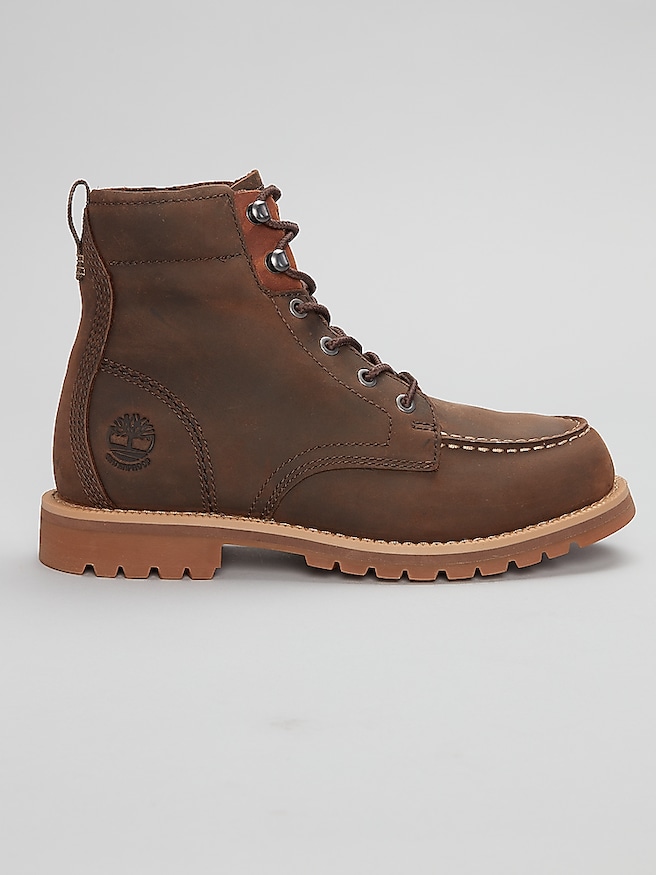
Men’s brown suede boots combine the soft texture of suede leather with an ankle-height silhouette that works across casual and smart-casual outfits. Their brushed surface gives brown a depth that smooth leather does not always have, with the nap catching light and creating subtle variations in tone. Shades range from sandy tan and warm tobacco to rich chocolate, each bringing a distinct character to familiar clothing. Lighter browns create an easy contrast with dark denim, while deeper shades sit comfortably alongside navy trousers, charcoal chinos, and textured tailoring. The shape of the boot makes just as much difference as the color. Brown suede Chelsea boots have elastic side panels and a streamlined profile that pairs naturally with tapered pants and an unstructured blazer. Suede chukka boots typically feature open lacing and two or three pairs of eyelets, giving them a relaxed appearance that feels at home with chinos, an Oxford shirt, or straight-leg jeans. Taller lace-up styles bring more visual weight, especially when they have substantial soles or pronounced stitching. These details can complement heavier denim and casual layers without making the outfit feel overly dressed up. A rounded toe generally reads more relaxed, while a gently tapered toe and a lower-profile sole create a sharper outline. Brown suede is particularly useful when an outfit needs something more polished than sneakers but less formal than traditional dress shoes. For a dinner reservation, a creative office, or a weekend gathering, the texture adds interest without relying on bold color or elaborate decoration. The best match depends on the setting as well as the clothing: a slim Chelsea boot can finish tailored separates, while a roomier chukka looks balanced beneath a broader trouser leg. At the hem, a clean break or a slight crop allows the boot’s shape to remain visible rather than disappearing beneath excess fabric. A brown leather belt can tie the outfit together, but an exact shade match is less important than keeping the tones compatible and the overall level of formality consistent.
The comfort of brown suede boots depends on the leather, the internal construction, and how well the shape suits the foot. Suede is leather with a raised nap, and its soft feel should not be confused with an absence of structure. A boot may combine a supple upper with a firmer heel counter, a supportive footbed, or a substantial outsole. Lining materials also affect the experience: a smooth lining can make the boot easier to slide on, while padding around the ankle may soften contact in an area that moves throughout the day. For a useful fit assessment, try boots with the type of socks intended for regular wear and check both feet while standing. Toes need room to move without pressing against the front, and the widest part of the foot should sit comfortably within the widest part of the boot. The heel should feel secure rather than repeatedly lifting and rubbing. Lace-up designs offer adjustment across the instep, while Chelsea boots depend more heavily on the relationship between the foot, the last, and the elastic panels. Suede may soften with wear, but a painfully tight fit is not a reliable starting point. Sole construction deserves equal attention because it influences flexibility, traction, weight, and the way the boot looks with clothing. Rubber outsoles can provide cushioning and grip, depending on their tread and composition; leather soles tend to create a more traditional dress profile and a distinct feel underfoot. A deeply patterned sole has a different purpose and appearance from a thin, smooth one. Neither the suede upper nor a rugged silhouette alone establishes that a boot is suitable for demanding job-site use. For long stretches of standing, frequent walking, or repeated office-to-dinner wear, comfort and secure footing matter more than appearance alone. Neat stitching, securely attached soles, and well-finished edges are useful details to examine, while repairable construction can be valuable for someone who prefers to maintain footwear over time.
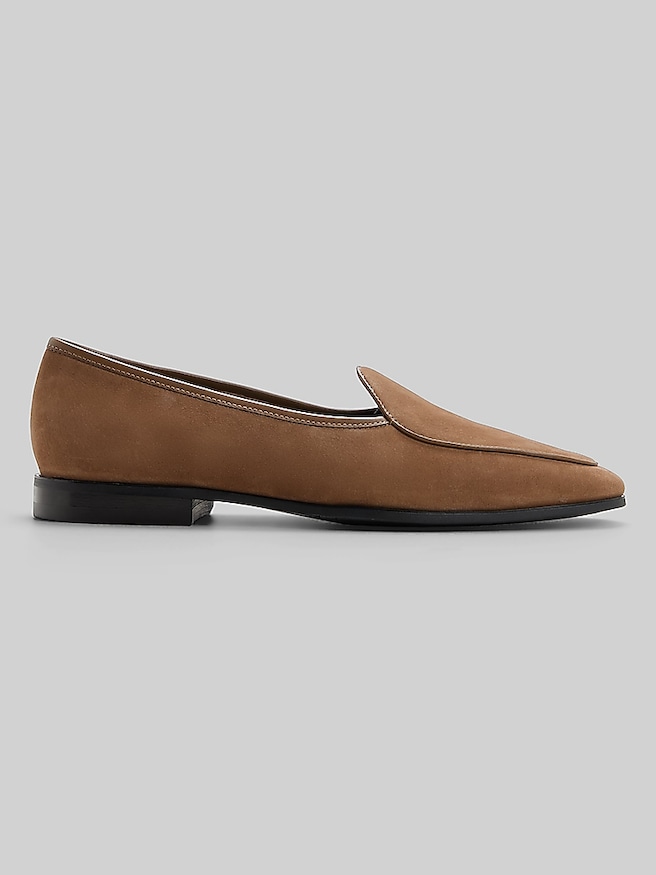
Suede’s distinctive texture rewards a little consistent care, especially in areas where the toe bends or the nap brushes against clothing. A suede brush helps lift flattened fibers and remove loose surface dirt; light pressure is usually more effective than aggressive scrubbing. Allow any dampness to dry naturally before brushing, and keep boots away from direct heat, which can stiffen leather or affect its shape. A suede eraser can help with some small surface marks, while oily stains and stubborn discoloration may call for a cleaner specifically formulated for suede or attention from a footwear-care professional. Smooth-leather creams and polishes are generally unsuitable because they can darken or flatten the nap. Any protective treatment should be labeled for suede, tested on an inconspicuous area, and applied according to its directions. Protection can reduce some staining, but it does not make every suede boot waterproof or eliminate the need for care. Between wears, letting the interior dry fully helps maintain a more comfortable environment for the foot. Properly sized shoe trees can support the shape, and storage away from direct sunlight helps preserve the color. Over time, gentle changes in shading and texture can become part of suede’s appeal; a deeply worn heel or separating sole, by contrast, deserves prompt attention. These boots can also make a thoughtful birthday or milestone gift for someone who already enjoys leather footwear, particularly when the recipient’s size, preferred silhouette, and usual wardrobe are known. A person who lives in dark jeans may appreciate a versatile medium brown, while someone who favors tailored trousers may gravitate toward a darker shade and a sleeker profile. For outfits that call for a lower-cut silhouette, Men's Brown Suede Shoes offer a related way to bring the same soft texture into a wardrobe. Whether the preference is an understated Chelsea, an easygoing chukka, or a substantial lace-up shape, the lasting appeal of brown suede boots comes from their balance of tactile character, adaptable styling, and everyday practicality.