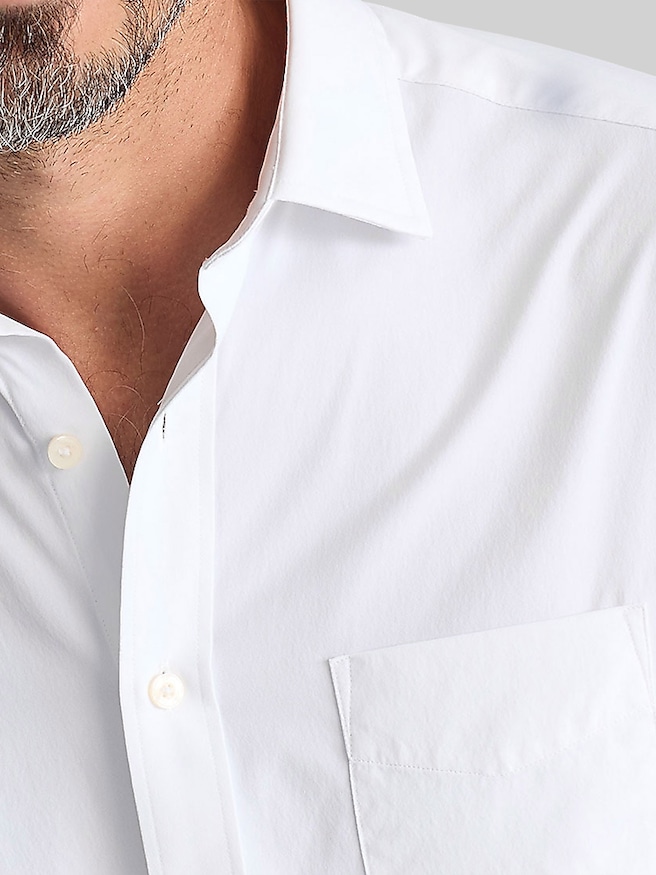
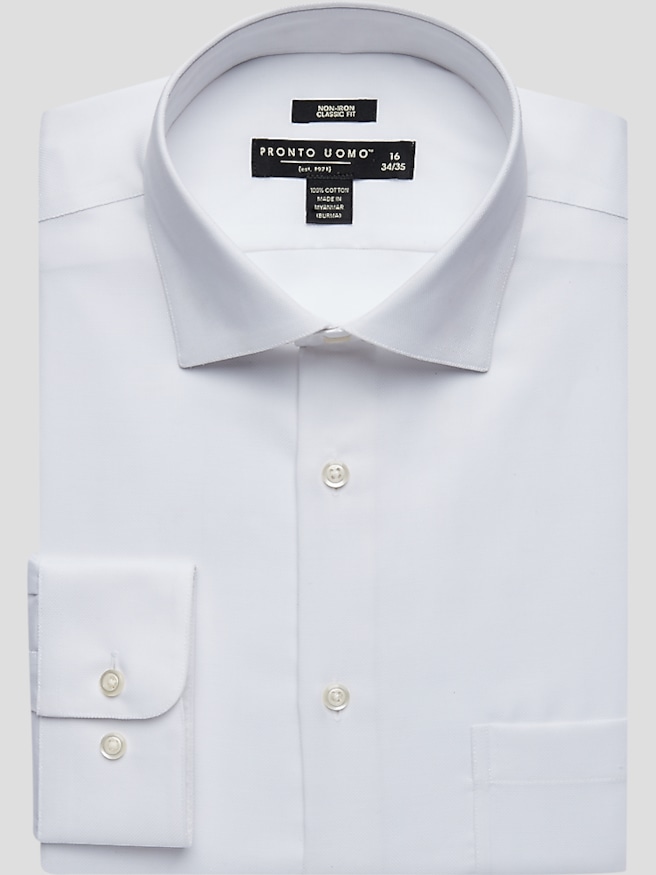
Men's brown button-up shirts combine the structure of a collared shirt with an earthy color palette that works comfortably alongside denim, chinos, and tailored trousers. Shades from light tan and caramel to chestnut and deep chocolate give the category a broad range of looks, from relaxed everyday dressing to polished business-casual outfits. A lighter brown shirt creates a softer contrast against navy pants, while a darker brown shirt can give stone or light gray trousers a more defined finish. Brown also pairs naturally with olive, cream, and muted blue, making it useful for building outfits without relying on a stark black-and-white contrast. The fabric contributes just as much to the result as the shade. Cotton poplin typically has a smooth surface and a relatively crisp appearance, while Oxford cloth brings a more visible weave and a slightly more casual character. Twill often has a subtle diagonal texture and can feel substantial without looking rugged. Linen and linen blends introduce texture and an easy drape, with natural creasing that suits a less formal outfit. Blends containing stretch fibers may provide extra give through the shoulders and arms, although the amount of movement depends on the fabric and construction. Solid brown shirts let texture and color do most of the work, while checks, stripes, and small-scale patterns add visual interest without requiring a bold outfit. At a casual office, a finely textured brown shirt can sit neatly under a navy blazer; at a dinner with friends, the same color family works with dark jeans and leather shoes. Brown button-ups also complement the broader range of colors and patterns found in Men's Button Shirts, offering a versatile neutral with more depth than a basic white shirt. Their appeal comes from that balance: familiar enough for regular wear, yet distinctive enough to change the character of trousers and jackets already in a wardrobe.
Fit determines whether a brown button-up shirt reads as sharply tailored, comfortably relaxed, or somewhere between the two. A trim cut generally sits closer through the chest and waist, reducing excess fabric beneath a jacket, while a roomier cut leaves more space through the torso for movement and an easier silhouette. Neither should pull across the buttons when seated or create tension across the upper back when reaching forward. Shoulder seams that sit close to the natural shoulder line help the sleeves hang cleanly, and cuffs should allow comfortable wrist movement without slipping far over the hand. For shirts intended to be worn with a tie, the collar needs enough room to fasten comfortably while still looking neat. An open collar offers more flexibility, but its shape still affects the overall impression. A point or spread collar often works well with tailored clothing, while a button-down collar, whose points fasten to the shirt, tends to suggest a more relaxed look. A button-up shirt describes the front closure; it does not necessarily have a button-down collar. Hem shape and length matter, too. Longer, curved shirttails generally stay tucked more securely, while a shorter hem can look more balanced worn untucked. A brown shirt tucked into charcoal trousers with a simple leather belt suits an office lunch or a presentation in a business-casual setting. Worn untucked with straight-leg jeans, a shirt with an appropriate hem length feels more at home at a casual restaurant or a weekend gathering. Chest pockets, contrasting buttons, and pronounced stitching can make the appearance more casual; a clean front and understated details keep attention on the fabric and fit. Layering adds another consideration: a shirt worn beneath a sweater needs enough ease to move comfortably without bunching at the waist or sleeves. For an evening event, brown can offer an understated alternative to brighter colors, provided the shirt's fabric and styling match the occasion's dress expectations.
The long-term value of a brown button-up shirt depends on how well its fabric, construction, and care requirements fit everyday routines. Smooth, crisp fabrics may need pressing to maintain a polished finish, while more textured fabrics can look intentional with a softer appearance. Cotton feels familiar and comfortable against the skin, but its shrinkage and wrinkle behavior vary with the weave, finishing, and blend. Linen develops visible creases through wear, so it is better understood as a textured option than as a substitute for a crisp dress shirt. Stretch blends can make sitting, driving, and reaching more comfortable, but their care requirements deserve attention because high heat may affect elastic fibers. The sewn-in care label remains the most reliable reference for washing, drying, and ironing. Where machine washing is permitted, washing with similar colors and avoiding unnecessary heat can help preserve the shirt's appearance. Promptly removing a shirt from the washer or dryer can reduce set-in creases, and hanging it with the collar and placket straight helps it keep its shape between wears. Stains around the collar and cuffs benefit from timely treatment with a method suitable for the fabric, rather than aggressive scrubbing that can roughen the surface. Secure buttons, even seams, and neatly finished buttonholes are useful construction details to consider, especially for a shirt that will be worn frequently. Fabric weight alone does not establish durability; the weave, stitching, fit, and handling all play a part. A shirt that allows comfortable movement is less likely to experience repeated strain at the buttons and seams. Brown button-ups can also make thoughtful gifts for someone who regularly wears earth tones, prefers understated patterns, or needs versatile shirts for a business-casual wardrobe. Knowing the recipient's usual size, preferred fit, and willingness to iron helps make that choice more personal. Whether intended for a workday, a family dinner, or an easy outfit with jeans, the most useful brown shirt is one whose color, feel, and proportions suit the person wearing it.