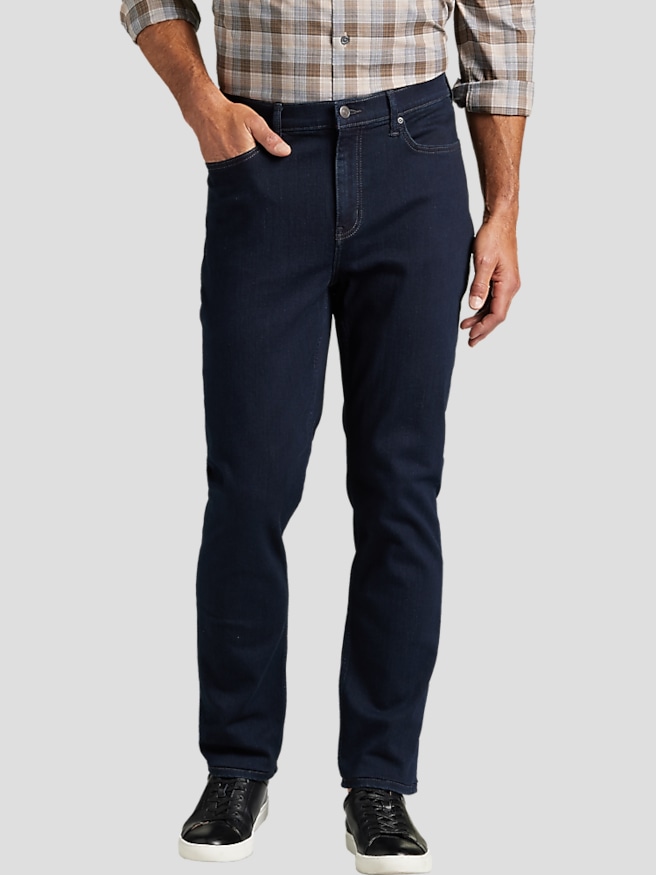
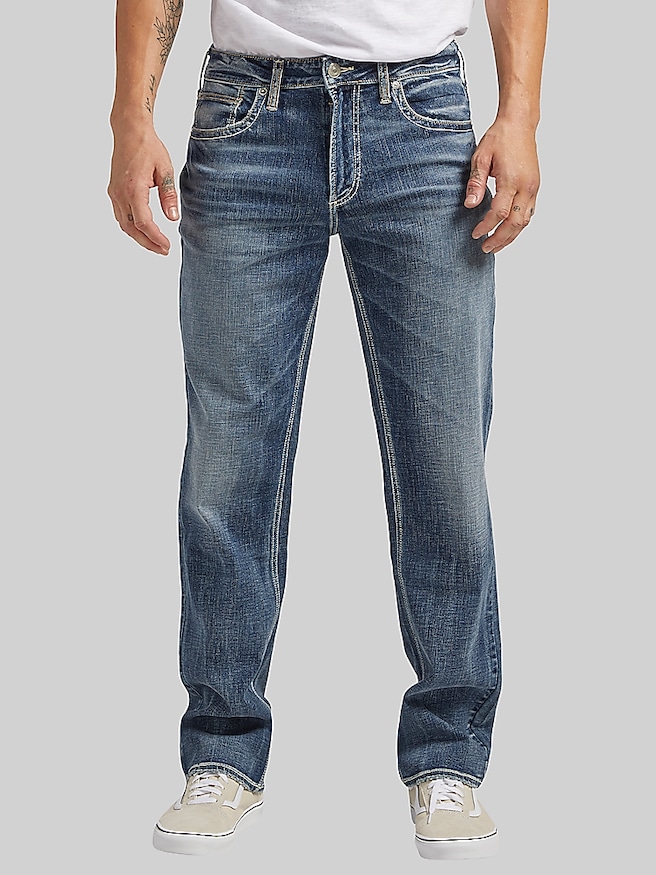
Men’s blue denim brings together sturdy fabric, familiar comfort, and a range of shades that work across everyday wardrobes. Its character comes from a twill weave, typically made with indigo-dyed lengthwise yarns and lighter crosswise yarns, which gives the surface its blue color and creates subtle variation as the fabric wears. From pale, broken-in washes to deep indigo, blue denim can look easygoing or neatly put together without losing its practical appeal. Light washes have a softer, more casual presence, especially alongside textured sweaters, simple T-shirts, and neutral outerwear. Medium-blue washes sit comfortably between faded and dark denim, making them useful for a weekend lunch, a casual workplace, or an afternoon spent moving around town. Dark washes tend to look cleaner and more understated, pairing naturally with an Oxford shirt, leather shoes, or an unstructured sport coat when the setting allows jeans. For a softer shade with visible denim character, Light Blue Denim Jeans complement charcoal knits, navy layers, and earthy colors throughout the cooler months. Wash describes more than color: it can also influence the fabric’s softness and surface texture. Fading at the thighs, whiskering near the pockets, and worn-looking edges give denim a lived-in appearance, while an even finish keeps the overall look quieter. Minimal fading often makes blue jeans easier to dress up, though denim remains casual clothing rather than a substitute for tailored trousers at formal occasions. The appeal is in that flexibility. A pair that looks natural with sneakers on a Saturday morning can feel just as appropriate with boots and a collared shirt later that evening. Blue denim also carries visual depth that flat-colored fabrics do not always have, with seams, folds, and high-contact areas gradually developing their own shading. That variation gives well-worn denim a personal quality while keeping it grounded in a familiar, useful wardrobe staple.
Fit shapes both the appearance and the day-to-day comfort of men’s blue jeans. Straight-leg denim generally maintains a balanced line from the knee to the hem, offering a classic silhouette with enough space to sit comfortably over many casual shoes. Slim fits follow the body more closely through the seat and thigh, with a narrower leg that works well when a trim outline is preferred. Skinny fits sit closer still, while relaxed and loose cuts provide more room for movement and a fuller silhouette. Tapered denim combines space higher in the leg with a narrower opening at the ankle; that shape can suit someone who needs thigh room but prefers less fabric around the shoes. These labels are useful starting points, but the actual measurements and cut matter more than the name alone. Two pairs with the same stated waist size may feel distinct because of the rise, seat shape, or thigh width. Rise is especially noticeable during a long drive or a seated workday: the waistband should stay comfortable without digging in, sliding down, or pulling tightly across the front. A good fit also leaves enough room to bend a knee, climb stairs, and reach into a pocket without straining the fabric. Inseam length determines how the hem meets the shoe, whether that means a slight break over loafers, a clean finish above sneakers, or enough length to rest over boots. Materials contribute just as much as cut. All-cotton denim often has a structured feel and can soften with repeated wear, while blends containing elastane or other stretch fibers provide give during movement. Stretch content alone does not determine comfort or shape retention; fabric weight, weave, and construction also play a role. Lighter denim can feel less bulky indoors, while heavier denim offers a more substantial feel under cool-weather layers. Raw denim is generally unwashed after dyeing, whereas rigid denim refers to fabric without stretch; neither term automatically describes the other.
The lasting value of blue denim depends on how well its construction, finish, and care needs suit the person wearing it. Firm seams, neatly finished edges, secure pocket attachments, and a smooth-working closure are useful details in clothing that gets regular wear. Heavier fabric can resist some everyday abrasion, but weight alone is not a guarantee of durability. A comfortable fit matters here, too, since constant tension across the seat, knees, or thighs can put added stress on the material and stitching. Denim intended for frequent commuting, desk work, or travel benefits from a balance of structure and ease, while a more substantial, nonstretch fabric may appeal to someone who enjoys the gradual softening of traditional jeans. Blue denim makes a practical gift for someone whose waist size, preferred rise, and usual leg shape are known, especially when the wash fits naturally with the shirts and shoes already in their wardrobe. Care should always follow the garment label, because finishes and fiber blends respond differently to washing and heat. Turning denim inside out before washing, using a gentle detergent, and choosing cold water when permitted can help limit unnecessary fading. Washing with similar colors is important, particularly for deep indigo, which may release dye during early washes or transfer color through friction onto pale upholstery, shoes, and clothing. High dryer heat can contribute to shrinkage and place stress on stretch fibers, so lower heat or air drying may be appropriate when the care instructions allow it. Prompt attention to stains and occasional spot cleaning can reduce the need for a full wash, though heavily soiled denim still needs proper cleaning. Over time, some fading and softening are part of the fabric’s appeal rather than signs that it has lost its usefulness. The result is clothing that can settle into a regular rhythm: comfortable at a kitchen-table breakfast, presentable for a casual dinner, and easy to layer with flannel, knitwear, or a coat when the air turns cold.