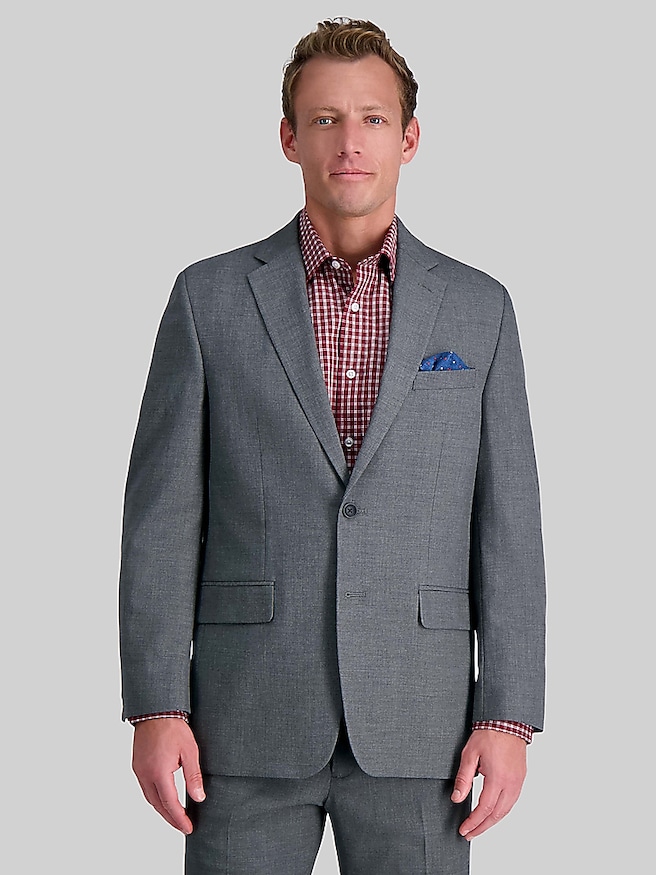
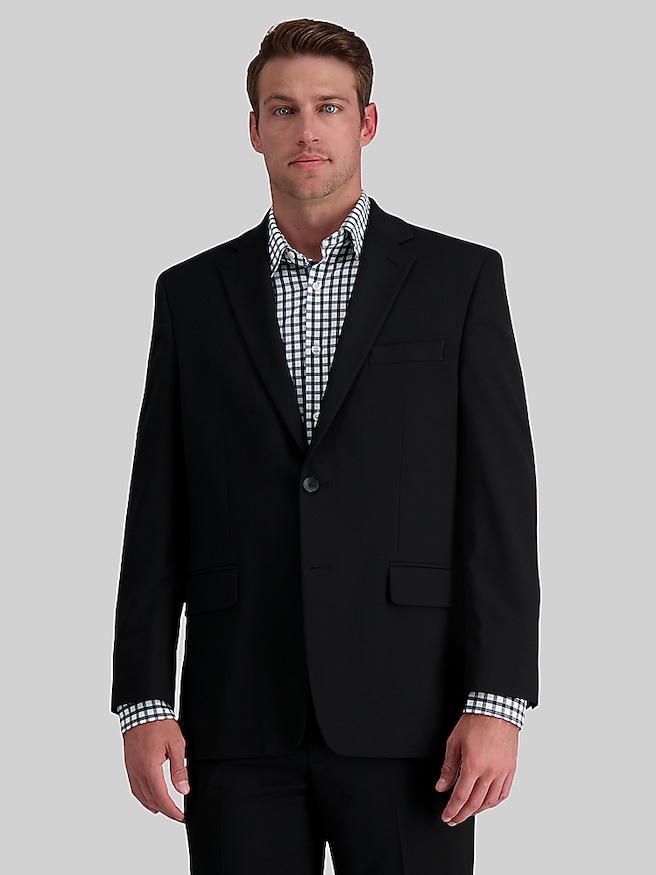
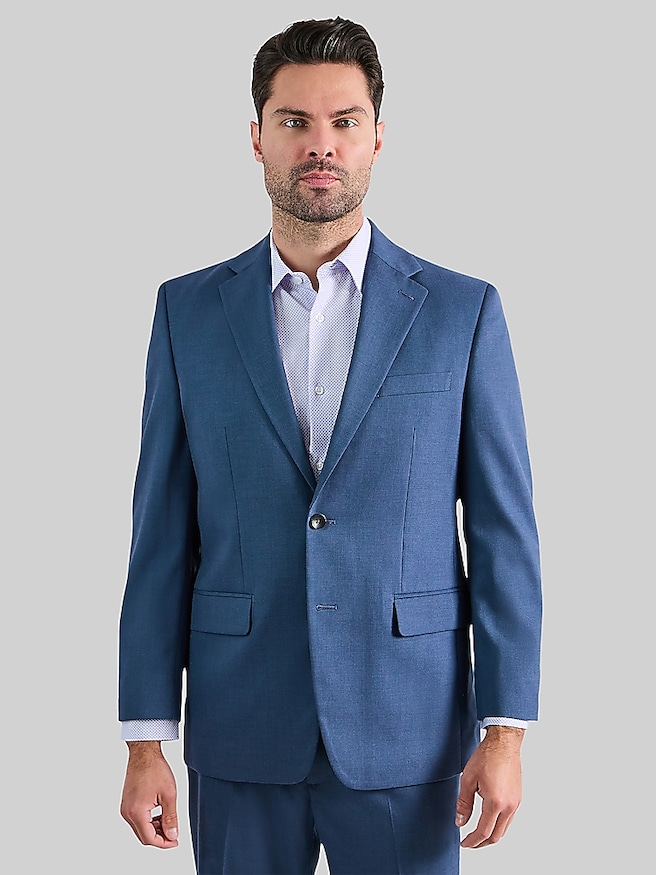
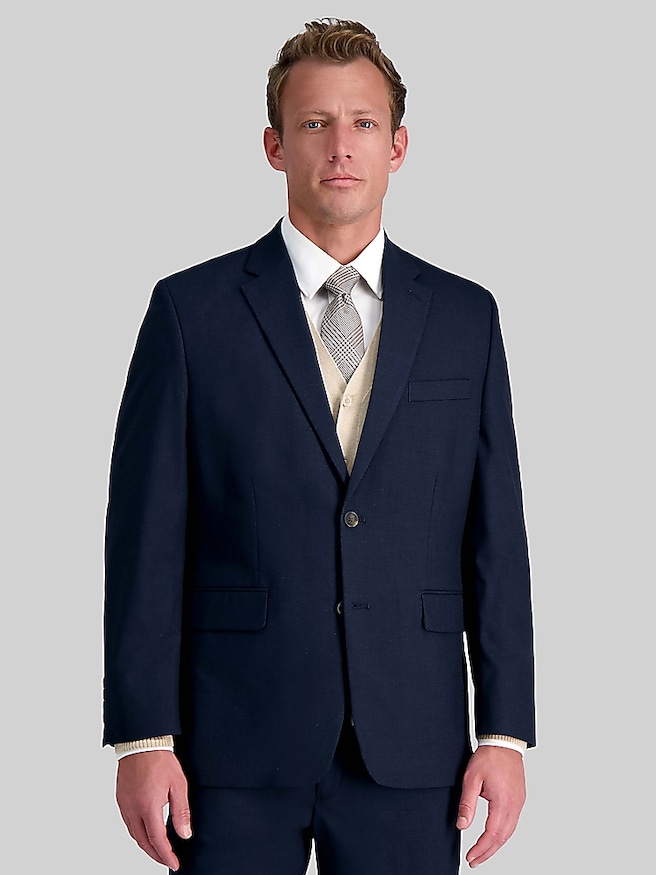
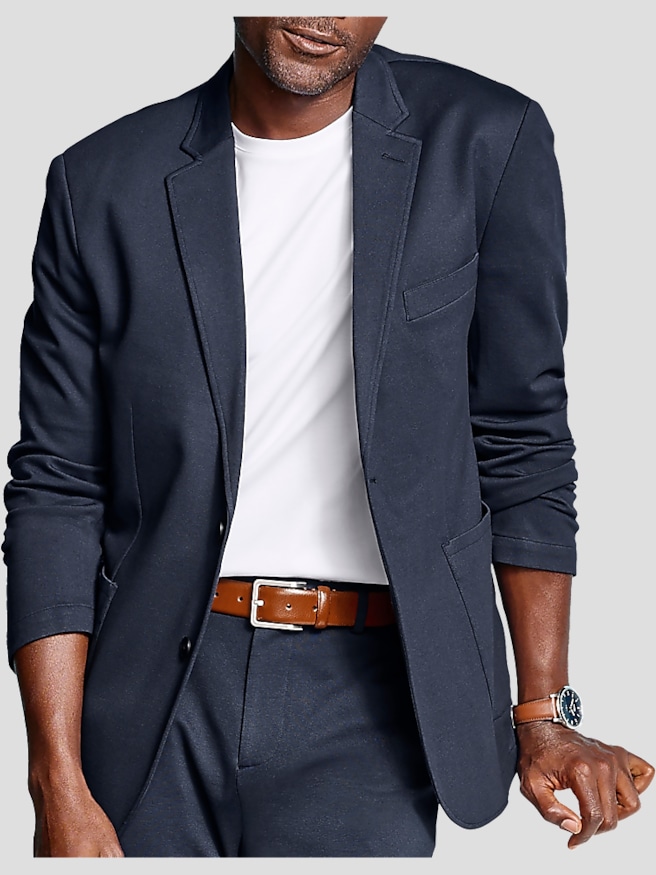
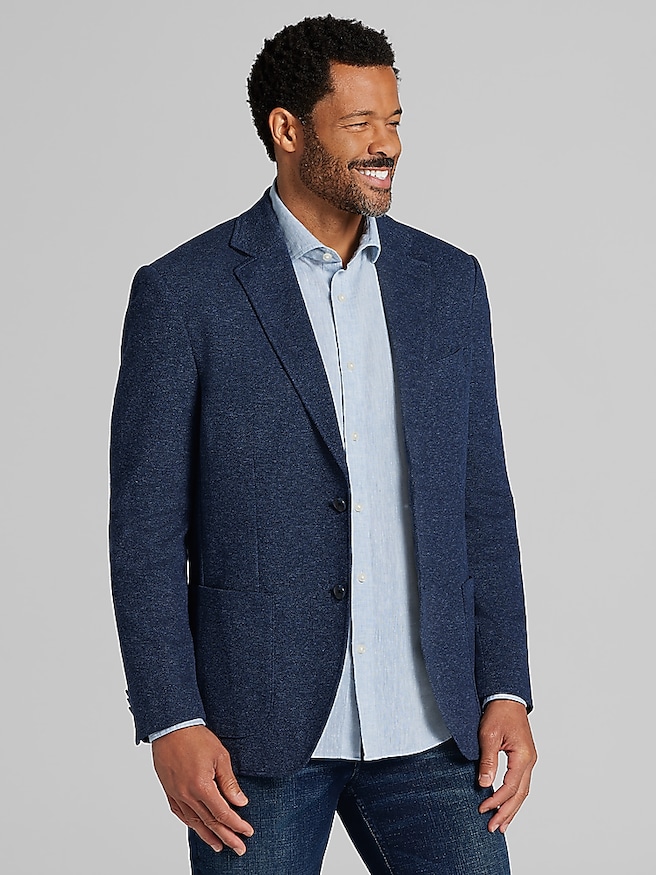
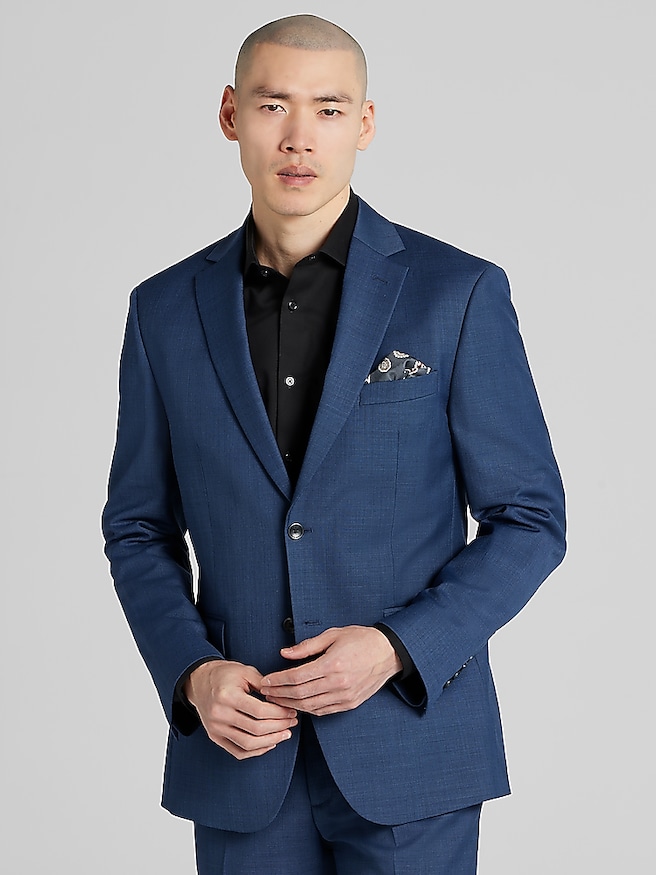
Men’s blazer outfits offer an easy way to bring polish to everyday dressing without the formality of a complete suit. A blazer can bridge the space between casual and dressy, making it useful for workdays, dinners, celebrations, travel, date nights, and gatherings where a traditional jacket and tie would feel too formal. The most versatile starting point is a well-fitting navy or charcoal blazer, which pairs naturally with a crisp white or light blue shirt, dark denim, chinos, or tailored trousers. For a relaxed finish, clean leather sneakers or loafers can keep the outfit approachable; for a more refined setting, leather dress shoes or understated boots add structure. Color and contrast help determine the mood. A light-colored blazer with dark trousers creates a sharp, confident silhouette, while a tonal combination in charcoal, grey, or deep blue feels modern and streamlined. Earth tones such as tan, camel, olive, and brown work especially well as the weather cools, bringing warmth to an outfit without sacrificing versatility. A blazer also makes a thoughtful gift for a man building his wardrobe, beginning a new job, attending more social events, or looking for one dependable layer that can be dressed up or down. When choosing one for someone else, consider the colors he already wears, the settings he attends most often, and whether his wardrobe leans classic, contemporary, or relaxed. Neutral shades are usually the safest choice, while subtle texture or a distinctive seasonal color can add personality for someone who already owns the basics. For a festive gathering or a dressier evening, explore Mens Party Blazers for styles that bring a little more presence to the occasion while remaining easy to coordinate with familiar shirts and trousers.
Fit is the foundation of every successful men’s blazer outfit. The shoulder seams should rest close to the natural edge of the shoulders, with no drooping, pulling, or puckering across the upper back. The jacket should close comfortably without creating a pronounced X-shaped strain at the button, and the sleeves should allow a small amount of shirt cuff to show when the arms rest naturally. The hem generally looks balanced when it falls around the middle of the hand or near the hip, depending on the cut and proportions. A jacket that fits well through the shoulders and chest can often be refined with minor tailoring, while an incorrect shoulder fit is much harder to correct. Consider the rest of the silhouette, too: slim or straight-leg trousers create a clean line with a contemporary blazer, while roomier chinos or denim can give the outfit an easy weekend feel. Fabric plays an important role in comfort and appearance. Lightweight cotton, linen, and breathable blends are useful when the weather is warm, especially when worn with an open-collar shirt or fine knit layer. Wool blends, tweed-inspired textures, and brushed fabrics provide visual depth and warmth during cooler months. A smooth, structured fabric can suit the office or a formal dinner, while a softer texture feels natural for casual settings. Layering should be practical rather than bulky. A fine-gauge sweater, merino knit, or lightweight turtleneck can sit neatly beneath a blazer, while a simple crewneck shirt creates a relaxed high-low combination. Keep the overall outfit balanced by pairing a textured jacket with quieter basics, or a simple blazer with a patterned shirt or more distinctive accessory.
The appeal of blazer outfits is their ability to adapt as plans change. A navy blazer over a grey crewneck shirt, dark jeans, and minimal sneakers can move comfortably from a daytime appointment to an evening meal. A light blue button-down with a tan or camel blazer and olive or navy chinos feels polished for a casual office, family gathering, or outdoor celebration. For a more traditional business combination, pair a darker blazer with a striped or solid dress shirt, tailored grey or cream trousers, and leather loafers. A monochrome outfit built from charcoal, black, and dark grey creates a refined look for evening, particularly when finished with a fine-knit layer and sleek boots. During the cooler months, a textured brown blazer over a lightweight turtleneck and tailored trousers offers warmth, depth, and a quietly confident appearance. Accessories should support the occasion: a leather belt that coordinates with the shoes keeps the outfit grounded, while a pocket square, watch, or understated tie can add individuality without making the look feel overworked. Before purchasing, think about how often the blazer will be worn, what garments are already in the closet, and whether the jacket needs to travel, layer, or transition between indoor and outdoor settings. A versatile blazer should work with several shirts and bottoms rather than depend on one complete outfit. Hang it on a sturdy shaped hanger, allow it to air after wear, and follow the care instructions to help preserve its structure. With the right fit, fabric, and color, a blazer becomes more than an occasional formal layer; it becomes the piece that pulls an outfit together when a shirt alone feels unfinished and a full suit feels like too much.