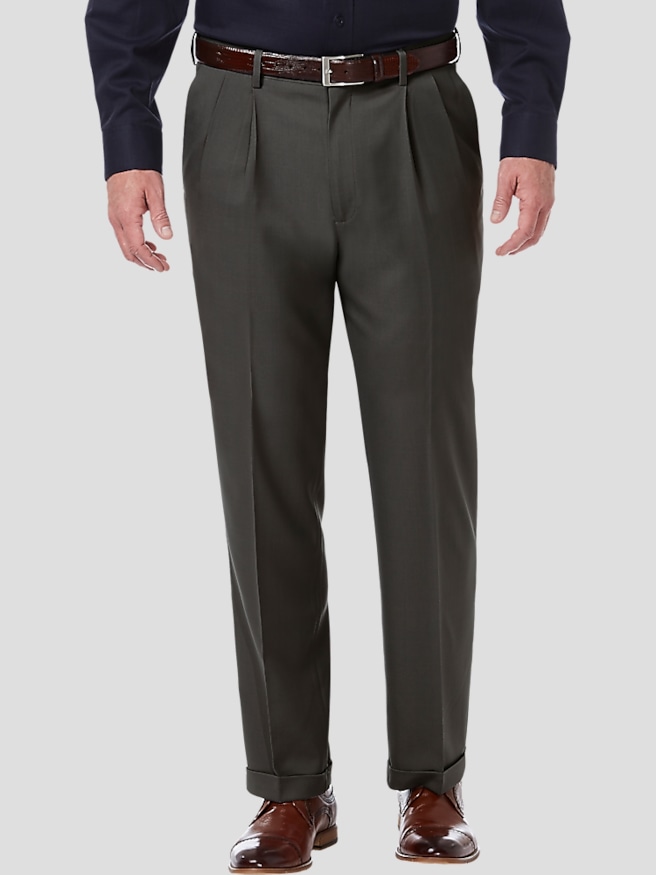
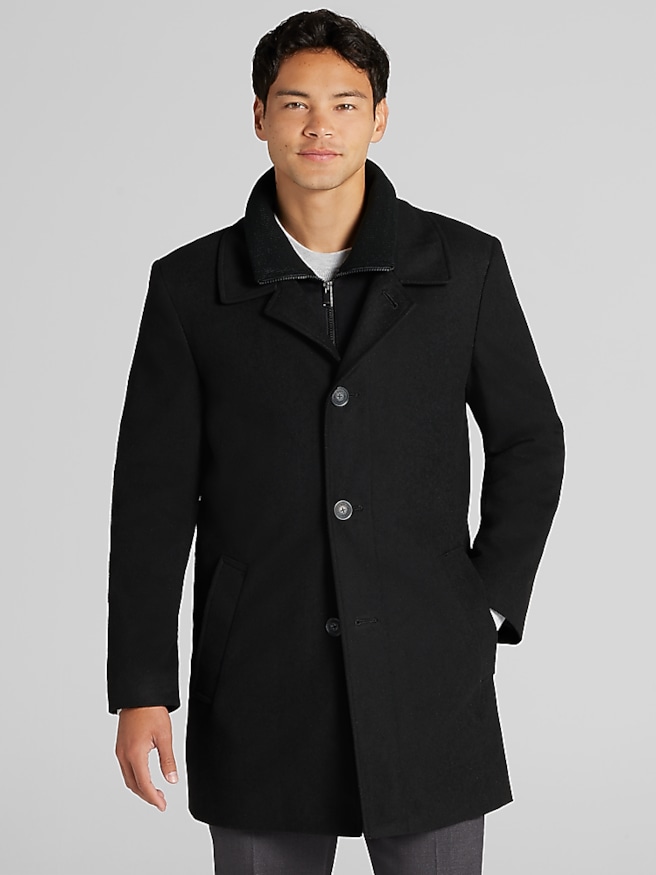
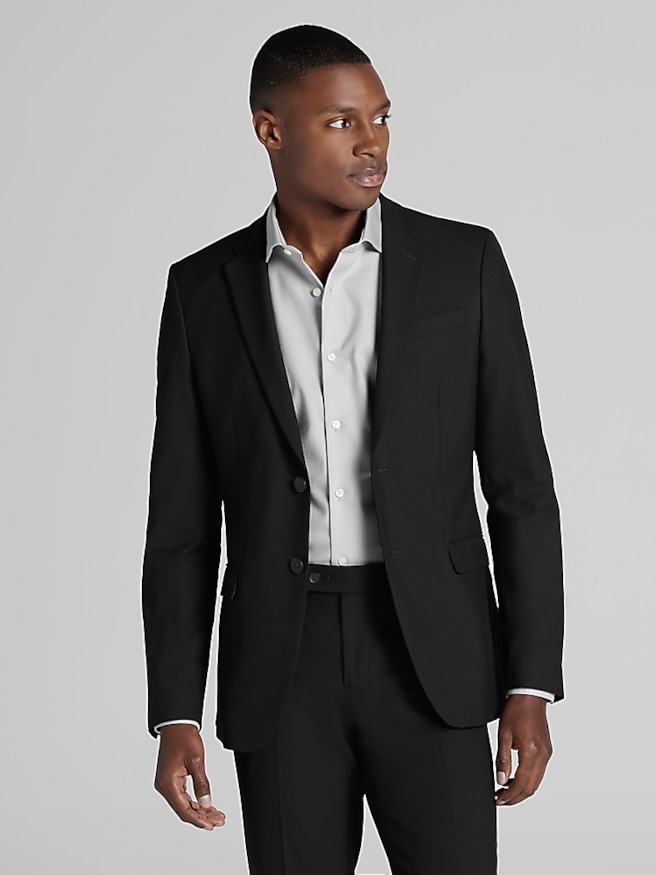
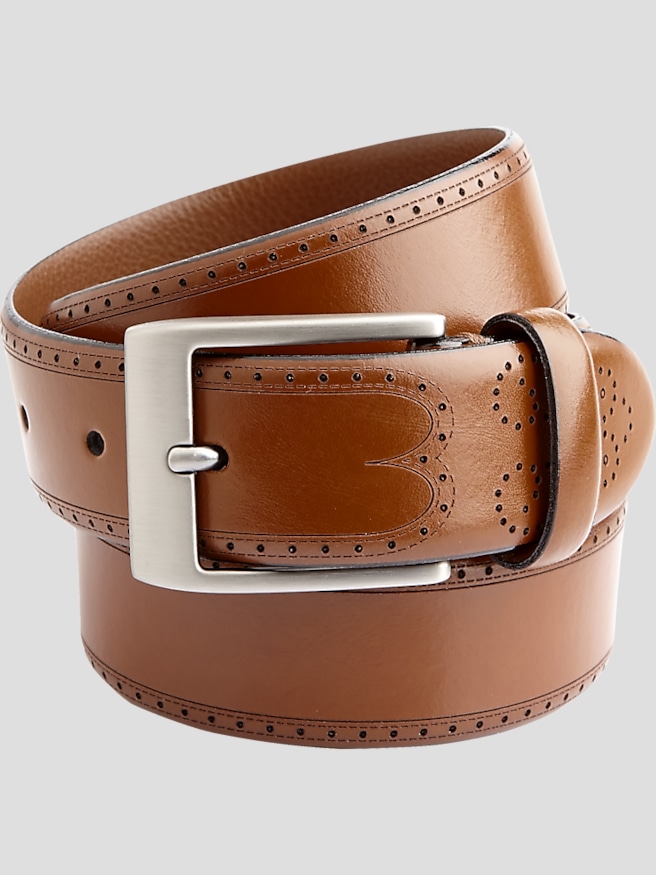
Men’s black clothing brings together casual staples, polished workwear, and formal attire in a color that is easy to coordinate and distinctive enough to carry an entire outfit. Its versatility comes from the range of fabrics, shapes, and finishes within that single color: a soft cotton knit feels relaxed, a finely woven dress shirt looks crisp, and a structured wool suit creates a defined silhouette. Black can anchor an everyday wardrobe without making every outfit feel the same. A black shirt with gray trousers offers clear contrast for an office setting, while a black jacket over a simple knit creates a composed look for dinner or a performance. Worn head to toe, black puts the emphasis on proportion and texture rather than color combinations. A matte shirt beneath a subtly textured jacket can give an outfit depth without adding a pattern, and a clean trouser line helps the overall look feel deliberate. For more ways to bring those elements together, All-Black Men's Outfits offers a related perspective on dressing within one color family. Matching black shades deserves attention, particularly when a jacket and trousers are meant to look like a suit. Some black fabrics have a warm cast, while others appear cooler or slightly faded; those differences can become more noticeable in daylight or photographs. Separate pieces do not need to match exactly when their textures clearly distinguish them, but suit components look most cohesive when made from the same fabric. Occasion matters as much as color. Black clothing can work for business settings, celebrations, evenings out, and solemn gatherings, with the garment’s construction and accompanying accessories setting the level of formality. For an event with a black-tie dress code, a tuxedo and the appropriate formal accessories serve a different purpose from a black business suit. The invitation remains the clearest indication of what the occasion calls for.
Fabric and fit determine how black clothing feels through a full day, not just how it looks on a hanger. Wool tailoring can provide a smooth drape and natural resilience, helping a jacket or pair of trousers recover after sitting. The fabric’s weight and weave also influence its structure: a fine, smooth surface reads more formal, while a visible texture gives black a softer appearance. Cotton is familiar in casual shirts and knits because it feels comfortable against the skin, although its tendency to wrinkle varies with the weave and finish. Blended fabrics may add stretch, shape retention, or easier care, but those qualities depend on the actual composition and construction rather than the color. A small amount of stretch can make reaching, walking, and sitting more comfortable; it does not replace a well-proportioned fit. At the shoulders, a tailored jacket should lie smoothly without extending far beyond the natural shoulder line or pulling across the upper back. A shirt collar should sit comfortably when fastened, and the front should stay smooth rather than gap between buttons. Trousers need enough room through the seat and thigh to allow natural movement, with a waistband that stays in place without excessive pressure. A shorter hem can create a clean, contemporary line, while a modest break offers a more traditional finish. These distinctions are especially visible in an all-black outfit, where the eye follows the outline of the clothing. For someone who spends much of the day seated, comfort through the waist and knees may matter more than an especially narrow silhouette. For someone moving between meetings and evening plans, a jacket that layers comfortably over a shirt or fine knit adds flexibility. Neat stitching, secure buttons, reinforced stress points, and fabric that returns to shape after gentle movement are useful signs of sound construction. The best fit supports the intended use without constant tugging, adjusting, or restriction.
Keeping black clothing looking rich and consistent requires care suited to each fabric. The care label takes priority, especially for tailored garments, lined jackets, and fabrics that may shrink or lose their shape with washing. For washable pieces, turning garments inside out and washing with similar dark colors can help limit visible abrasion and color transfer. Cold water and a gentle cycle are often appropriate when the label allows them, while avoiding unnecessary heat can help protect color and elasticity. Detergent residue and lint are particularly noticeable against black, so a measured amount of detergent and separation from lint-shedding fabrics can make a visible difference. A lint brush is useful before leaving for work or an event, especially after sitting on upholstered furniture or spending time around pets. Tailored jackets benefit from supportive hangers and space between wears; folded storage helps many knits avoid stretched shoulders. Pressing and steaming also require attention to the fabric, since excessive heat can leave shine on dark surfaces. A pressing cloth provides a protective layer when ironing is permitted. Regular brushing, prompt attention to spots, and repairs to loose buttons or opened seams can extend a garment’s useful life without subjecting it to unnecessary cleaning. Black clothing is especially practical for people who appreciate repeatable outfit combinations, whether that means getting dressed for a client meeting, building a compact travel wardrobe, or having dependable attire for evening occasions. It can also make a thoughtful gift for a graduate, partner, or family member establishing a more polished wardrobe, provided the recipient’s measurements, preferred fit, and care habits are considered. Someone who favors relaxed knits may get more use from an easy layering piece than from structured tailoring that requires alterations. Across casual and formal settings, the lasting appeal of men’s black clothing lies in that balance of appearance and usefulness: clear lines, adaptable combinations, and fabrics that feel right for the way the clothing will actually be worn.