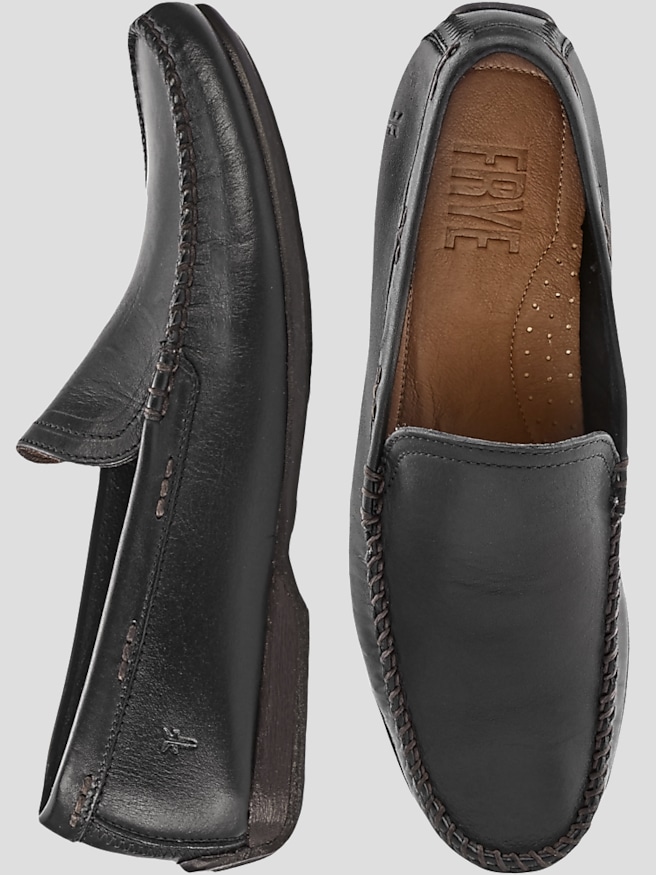
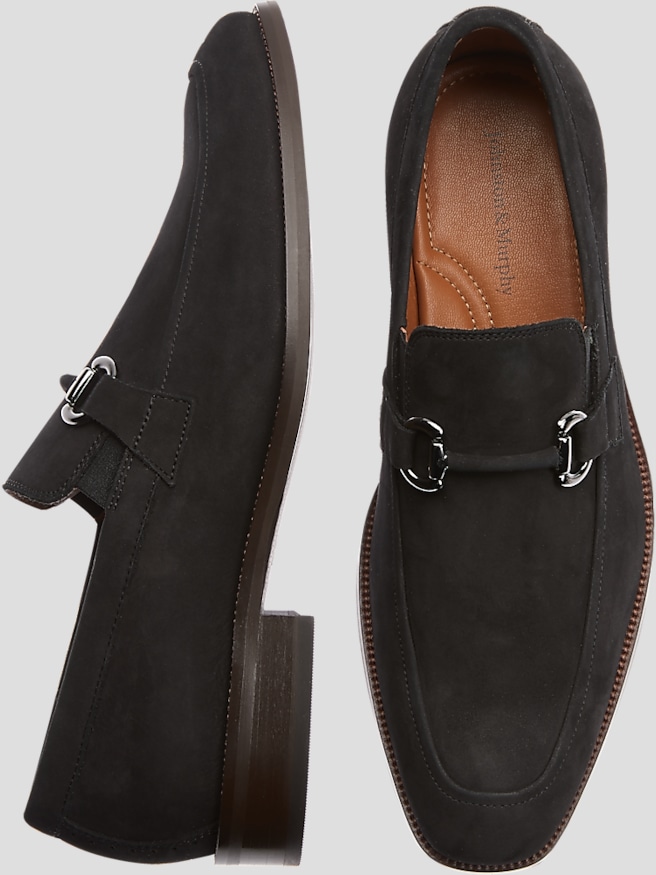
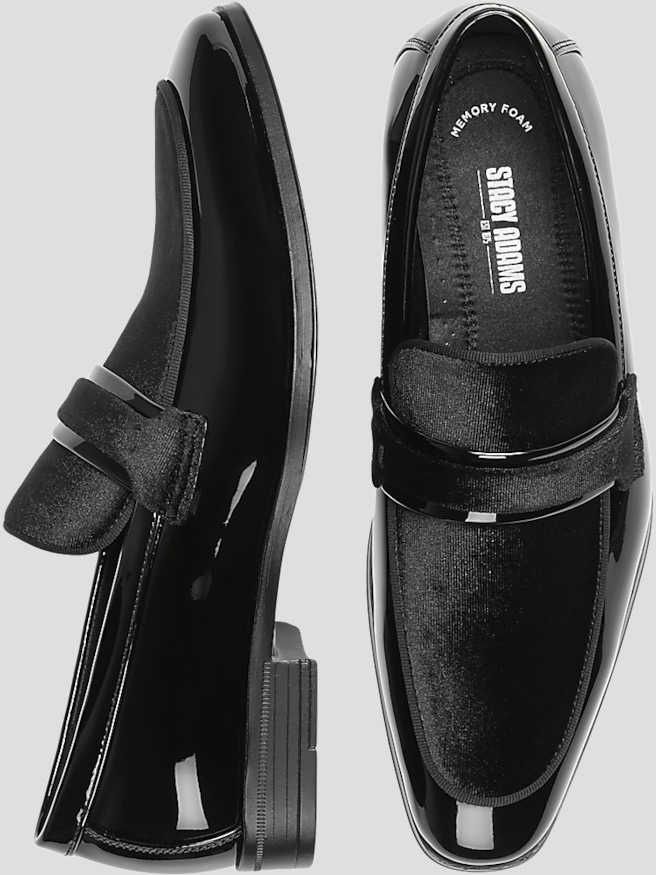
Men’s bit loafers bring a distinctive finishing touch to an outfit without the formality of a lace-up dress shoe. The signature detail is the metal ornament across the vamp, a reference to equestrian hardware that gives the otherwise simple slip-on silhouette its character. That small accent can make a pair feel right at home beneath tailored trousers, yet relaxed enough for chinos and an open-collar shirt. A low-profile shape, neatly finished edges, and restrained hardware create a dressier impression, while a fuller toe or more substantial sole gives the same basic design a more casual presence. Black leather has a crisp, understated look with charcoal or gray tailoring; brown tones introduce a softer contrast with navy, tan, and olive. Neither approach requires an elaborate outfit. A clean trouser line and a hem that falls neatly around the top of the shoe give the bit detail room to show without making it the center of attention. For an office day that includes a client lunch, loafers can bridge the gap between a sport coat and more relaxed separates. For a dinner, anniversary celebration, or wedding where the dress code allows, they add polish without making the outfit feel overly ceremonial. More formal invitations still call for attention to the stated dress code, since a decorative loafer is not automatically a substitute for every traditional dress shoe. The metal finish offers another subtle styling consideration: a similar tone in a belt buckle or watch can make the outfit feel considered, though an exact match is not essential. Socks also affect the overall impression. Fine-gauge dress socks maintain a continuous line beneath trousers, while low-cut socks can create an exposed-ankle look with shorter hems. The appeal is versatility with a recognizable detail, making bit loafers useful for someone who prefers an easy slip-on shape but still wants footwear with a tailored point of view.
Materials and construction influence how men’s bit loafers look, feel, and hold up to repeated use. Smooth leather emphasizes the outline of the shoe and gives the hardware a clean backdrop. Suede offers a softer, more textured appearance that works especially well with less structured tailoring and casual trousers. Pebbled leather adds visible grain, which can make small surface marks less conspicuous, although texture alone does not determine durability. For a closer look at that finish, Mens Pebbled Leather Loafers offers a related take on the slip-on silhouette. Across these materials, the quality of the upper, the flexibility of the sole, the lining, and the way the shoe is assembled all contribute to its character. A leather outsole can create a slim, traditional profile, while a rubber outsole may provide a more flexible feel and additional traction, depending on its design. Neither material tells the whole comfort story; cushioning, arch shape, and the space inside the shoe matter just as much. Fit deserves particular attention because a loafer has no laces to adjust over the instep. A secure fit generally feels close through the midfoot without pinching, with enough room for the toes to rest naturally rather than press against the front or sides. A little heel movement can occur in some new leather shoes, but persistent lifting, rubbing, or a need to grip with the toes suggests the shape or size may not be suitable. Leather can soften with wear, but an uncomfortable shoe should not depend on dramatic stretching to become wearable. The socks intended for regular use are part of that fit equation: a thin dress sock and a thicker casual sock can change how securely the same shoe sits. For someone moving between a desk, meeting rooms, and a restaurant, a balanced combination of support, flexibility, and dependable fit matters more than softness during the first few steps.
Regular care helps preserve the details that make bit loafers distinctive, from the shape of the toe to the finish around the metal ornament. Smooth leather generally benefits from gentle cleaning and an appropriate conditioner, followed by polish when the finish calls for it. Product directions and the leather’s finish matter, since not every treatment suits every upper. Suede needs a separate approach, typically with a suitable brush and cleaner rather than conventional shoe cream. Pebbled surfaces can collect dust in the grain, making careful cleaning around seams and creases worthwhile. The hardware also deserves a light touch: a soft cloth can remove fingerprints, while abrasive cleaners may damage the metal finish or the surrounding leather. Shoe trees can help support the upper between wears, and a shoehorn reduces the repeated pressure placed on the heel when slipping the shoes on. Allowing footwear to rest between outings gives the interior time to dry naturally; direct heat can damage leather and adhesives. These small habits are especially useful for a pair worn frequently to work or social occasions, where creasing and scuffing are part of normal use. Durability also depends on the surfaces underfoot, the amount of walking involved, and the condition of the soles and heels. Worn edges, loose stitching, or a heel that no longer sits evenly are reasons to seek a repair assessment, though repair possibilities depend on construction. As a gift, bit loafers suit someone whose wardrobe already includes tailored pants, polished casual outfits, or a favorite sport coat. Familiarity with the recipient’s size, preferred width, usual socks, and taste in metal finishes makes the choice more personal than color alone. A streamlined black pair may fit an understated wardrobe, while textured leather or a richer brown tone may complement a more relaxed style. Their lasting appeal comes from that balance: enough detail to distinguish the shoe, with a shape that can work naturally across many familiar outfits.