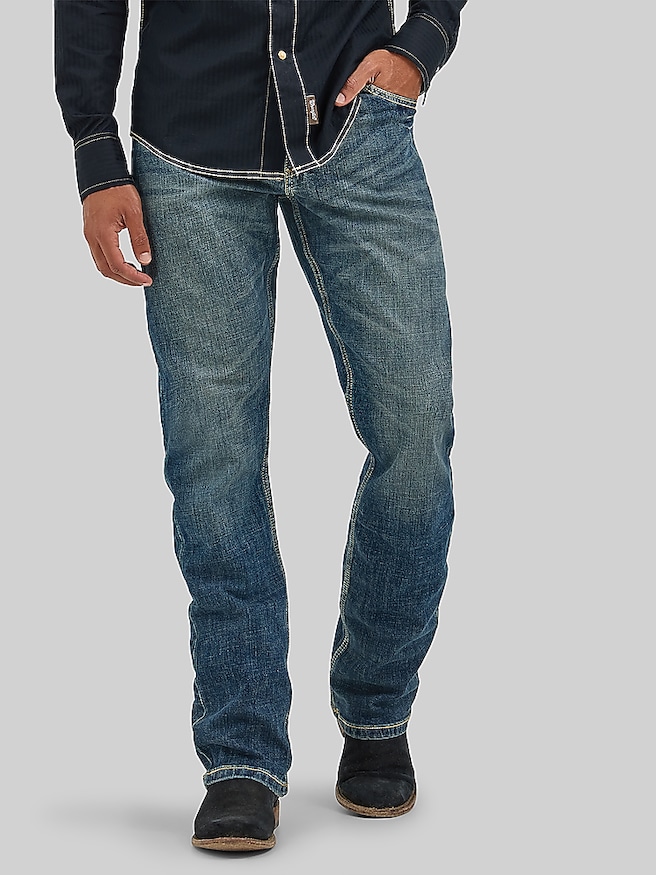
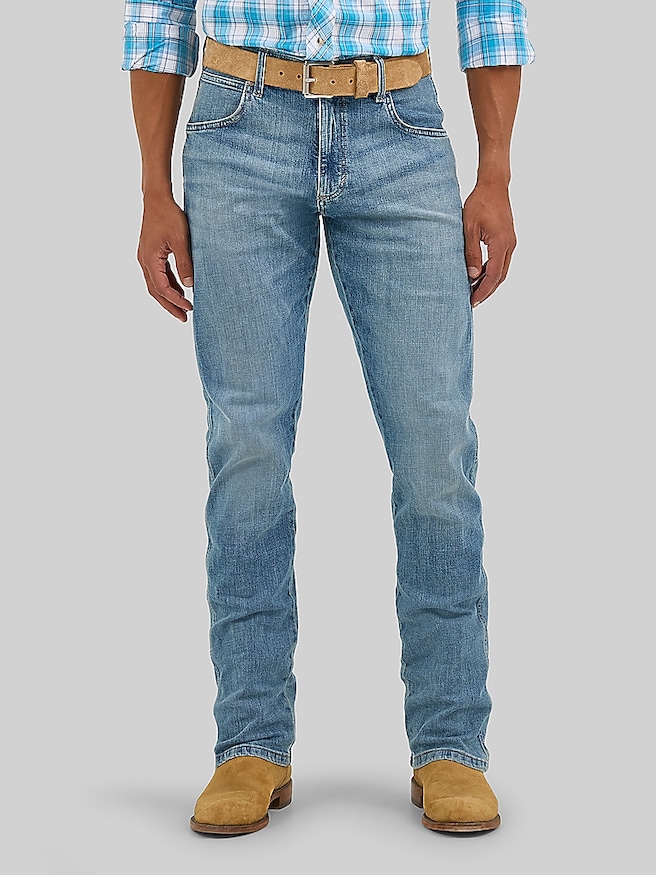
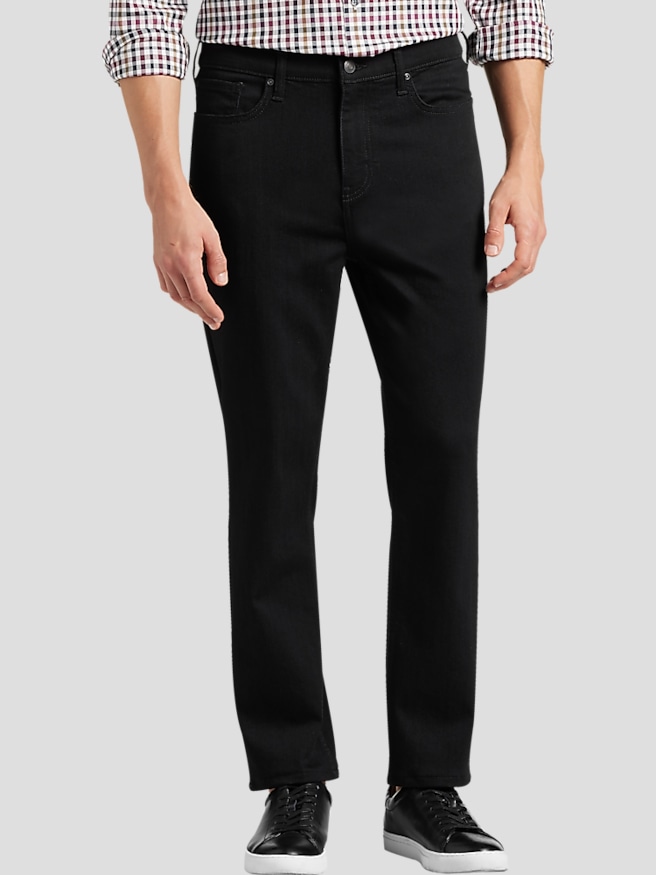
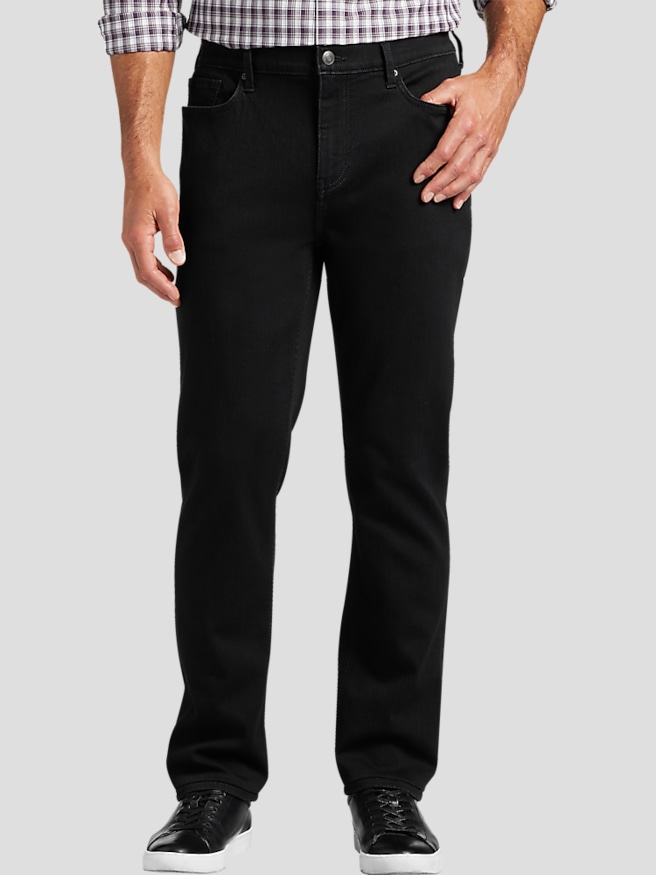
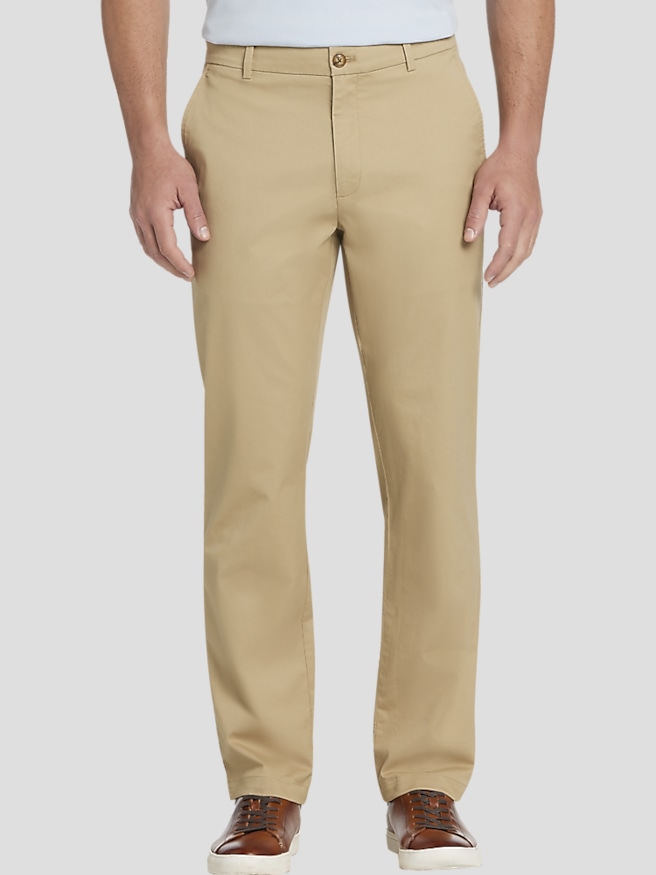
Men's big and tall stretch jeans combine the familiar structure of denim with flexibility for everyday movement, whether the day involves a commute, hours at a desk, or an afternoon spent on the go. A comfortable pair starts with proportions that suit the wearer, not simply extra inches added to a standard cut. Big sizing generally provides more room through areas such as the waist, seat, and thighs, while tall sizing addresses the need for longer inseams; some builds benefit from both. The relationship between those measurements matters as much as the size on the label. A waistband that sits comfortably without digging in, a rise that provides enough coverage when seated, and sufficient room across the seat all contribute to a natural fit. Stretch adds flexibility, but it should complement the cut rather than compensate for jeans that are too tight. Across the thighs, denim should allow movement without pulling sharply at the seams or forcing the pockets open. Through the lower leg, straight cuts offer a consistent line, while tapered shapes narrow toward the ankle for a more defined profile. A relaxed silhouette provides additional ease without requiring an oversized waist. Each shape creates a distinct look, and the best match depends on personal preference, body proportions, and the shoes worn most often. Length also changes how jeans look and feel: a slight break over a shoe creates a familiar finish, while excessive fabric bunching at the ankle can interrupt an otherwise clean line. For taller frames, an adequate inseam helps maintain coverage when sitting or crossing a leg. For broader builds, balanced room through the hips and thighs keeps the fabric from feeling restrictive during ordinary movements. These details give big and tall stretch denim its everyday value: a fit that looks intentional while leaving enough freedom to step into a car, take the stairs, or settle into a restaurant booth without constant adjustment.
The appeal of stretch jeans extends well beyond casual weekends. Dark, evenly colored denim has a clean appearance that pairs naturally with an untucked button-down, a knit polo, or a casual sport coat in settings where jeans are appropriate. At a workplace with a relaxed dress code, a straight or gently tapered leg can keep the overall silhouette neat without feeling overly formal. Medium washes offer a more laid-back look with an Oxford shirt or a textured sweater, while faded finishes emphasize denim's casual character with a T-shirt and sneakers. Wash, stitching, and surface details all influence the effect: subtle contrast and minimal distressing tend to feel understated, while pronounced fading and worn-in details make the jeans a stronger focal point. Proportion matters when putting the outfit together, too. A shirt with enough length to stay comfortably in place when seated supports the easy fit of the jeans, and a belt should finish the outfit rather than pull an oversized waistband into folds. Footwear provides another useful point of balance. Straight legs generally sit comfortably over casual boots, while a narrower opening creates a cleaner meeting point with low-profile sneakers or loafers. For a lighter fabric feel, Mens Lightweight Stretch Jeans offer another approach to flexible everyday denim. Fabric weight and leg shape are separate considerations, so a lighter feel does not necessarily mean a closer fit. From a family dinner to a road trip or an evening out, the right combination of wash and silhouette helps jeans work naturally with familiar clothing. They can also make a practical gift for someone who wears denim regularly, especially when the recipient's preferred waist, inseam, rise, and leg shape are known. Those details are more helpful than relying on height alone or assuming that every stretch fabric will fit the same way.
Material composition helps explain why two pairs of big and tall stretch jeans can feel distinct even when their measurements are similar. Cotton contributes denim's recognizable texture and body, while a small amount of elastane or spandex allows the fabric to give with movement. Some blends also incorporate polyester or other fibers that influence the fabric's weight, surface feel, and ability to hold its shape. The stretch percentage provides useful information, but it does not tell the whole story: the weave, fabric weight, and construction affect how much resistance the denim offers and how well it recovers after wear. Good recovery helps limit the loose knees and stretched-out seat that can develop as jeans move through a full day. A more substantial denim can feel structured and hold a defined silhouette, while a softer, more flexible fabric may feel easier from the first wear. Neither quality replaces a well-proportioned fit. Construction matters as well, particularly around pocket corners, belt loops, the zipper area, and seams that experience repeated tension. Even stitching and secure reinforcement help support regular use, while enough room through high-movement areas reduces unnecessary strain on the fabric. Care plays a part in preserving both appearance and flexibility. The garment's care label should guide washing and drying, since fiber blends and finishes have distinct requirements. When permitted, washing jeans inside out in cold water with similar colors can help reduce visible abrasion and color transfer. Avoiding excessive heat is especially important for stretch fibers, and following the recommended drying method helps protect the original dimensions. Dark denim may release dye, particularly early in its wear, so attention to care instructions also helps protect nearby fabrics. With a suitable fit and consistent care, big and tall stretch jeans can become a dependable part of a regular clothing rotation, offering denim's familiar character with flexibility that supports the way the wearer actually moves.