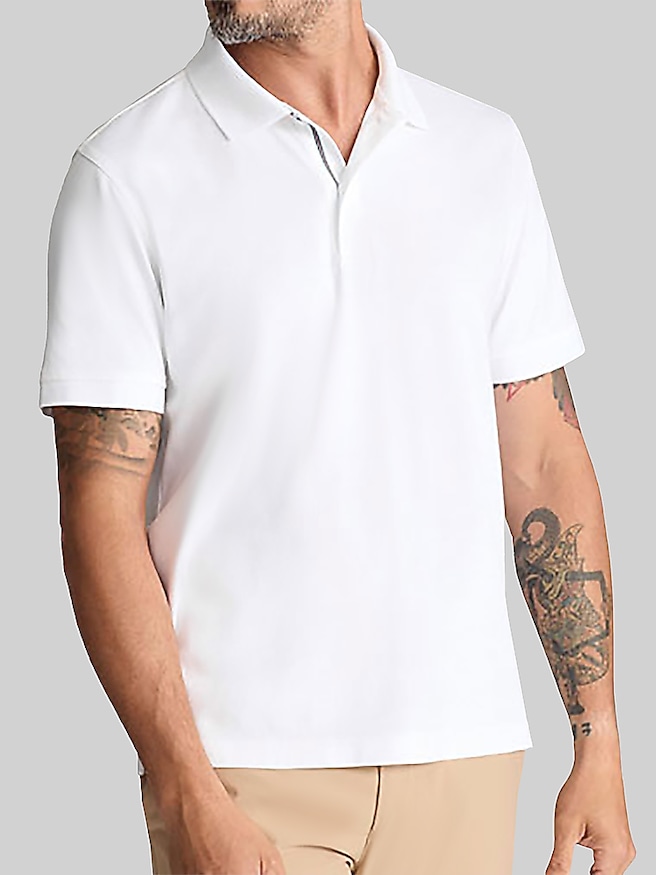
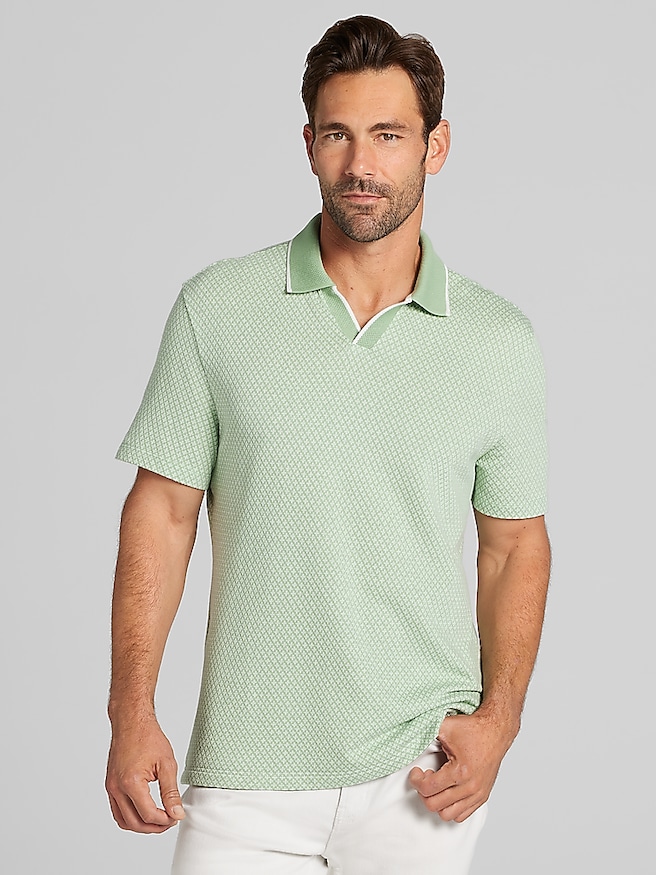
Men’s athletic polo shirts combine the familiar collar and button placket of a polo with fabrics and construction designed for movement. They sit comfortably between a basic workout tee and a more structured casual shirt, making them useful for a round of golf, an active workday, or a weekend that moves from errands to an outdoor lunch. The defining features are usually breathable fabric, stretch, and a shape that looks neat without restricting the shoulders or arms. Moisture-wicking materials help move perspiration away from the skin so it can evaporate, while quick-drying construction can make the shirt more comfortable after activity. These features are related, but they are not interchangeable: a fabric may move moisture effectively without drying at the same speed as another material. Polyester is common in performance polos because it is lightweight, durable, and relatively quick to dry. Blends that include spandex or elastane add flexibility, particularly when reaching overhead, carrying luggage, or following through on a golf swing. Nylon blends can offer a smooth hand and good resistance to abrasion, while cotton-rich blends bring a familiar softness that works well for less strenuous days. Fabric weight and knit structure matter as much as fiber content. A fine, smooth knit can slip neatly beneath a sweater, while a textured piqué has a subtly raised surface that gives the shirt a classic polo appearance. Mesh panels or more open knits may improve airflow, although breathability varies with the overall construction. For someone moving between a heated office and a brisk walk outside, a lightweight athletic polo provides a practical base beneath an easy-to-remove layer. The goal is balanced comfort: enough substance to drape cleanly, enough ventilation for activity, and a surface that feels pleasant against the skin through hours of wear.
Fit gives an athletic polo much of its versatility, but “athletic” can describe either performance features or a particular cut. An athletic-fit polo generally allows room across the chest and shoulders before tapering toward the waist; a performance polo may instead have a straight or relaxed silhouette. Neither description guarantees the same proportions across every shirt, so measurements and fit details are more useful than the label alone. Shoulder seams should sit close to the natural shoulder edge, and the chest should lie smoothly without pulling the placket open. Sleeves that finish around the middle of the upper arm often create a balanced outline, provided the openings do not pinch when the elbows bend. A little space through the torso lets the fabric move and release heat rather than clinging throughout the day. Stretch helps with motion, but it should not have to compensate for a shirt that is too small. Sitting at a desk, reaching for a high shelf, and rotating through a golf swing all test fit in ways that standing still cannot. The hem also deserves attention. A polo intended to stay tucked needs enough length to remain secure when reaching, while an untucked style should cover the waistband without extending so far that it overwhelms the proportions of the outfit. Side vents can ease movement at the hips, and a slightly longer back hem may add coverage when bending. For a workplace with a relaxed dress code, an athletic polo pairs naturally with chinos and understated shoes; for a more active setting, flexible shorts or lightweight pants keep the outfit comfortable. A collar that lies flat and a placket that stays smooth help both combinations look deliberate. Shoppers who prefer a more pronounced button-front detail can also explore men’s button-up polo shirts as a related option. Solid colors keep coordination simple, while restrained stripes or small-scale patterns add interest without making the shirt difficult to layer. During the cooler months, a fine-gauge sweater or casual jacket adds warmth without hiding the polo’s distinctive neckline.
Long-term satisfaction with men’s athletic polo shirts depends on care and construction as much as first impressions. Even stitching, neatly finished seams, securely attached buttons, and a collar that returns to shape after gentle handling are useful signs of thoughtful construction. Fabric should recover after a light stretch rather than remain stretched out, especially at the cuffs and hem. A smooth surface may feel sleek beneath a jacket, but fine knits can snag against rough edges or exposed hook-and-loop fasteners. Separating those surfaces during washing and packing helps preserve the appearance. Care instructions should always take priority, since fiber blends, dyes, and performance finishes respond differently to heat and cleaning products. Many athletic fabrics benefit from a cool wash with similar colors and low-heat drying or air drying when the label permits. Fabric softener can interfere with moisture management on some performance materials, so skipping it is often a sensible choice. Excessive dryer heat can also shorten the life of stretch fibers. After a sweaty outing, allowing the shirt to dry before placing it in a hamper helps limit lingering odors; prompt washing is still important, even when a fabric has an odor-resistant finish. Wrinkle resistance can be convenient for travel, but it does not mean a polo will emerge perfectly smooth after being compressed into a bag. Folding it loosely, removing it soon after arrival, and using only label-approved heat can help restore a tidy appearance. Other technical benefits, including sun protection, should be confirmed in the garment details rather than assumed from the athletic label; a stated UPF rating is the relevant reference for protective coverage. For commuters, recreational golfers, frequent travelers, and people whose work keeps them moving, these practical details can matter more than an elaborate design. Athletic polos can also make thoughtful gifts when the recipient’s size, preferred fit, and usual activities are known. A comfortable collar, manageable care routine, and familiar color are useful priorities for a shirt meant to become part of a regular rotation, whether it is worn through a busy afternoon or layered for a relaxed evening.